

Welcome to our blog. We are a professional manufacturer of ductile iron and composite resin manhole covers, supplying infrastructure products for municipal and industrial projects worldwide.
- 👉 Follow us on Facebook for the latest product updates, industry news, and project cases.
- 👉 If you have any project requirements or need a quotation, feel free to contact our team directly for fast support and customized solutions.
Please continue reading our blog for more industry insights and product information
Table of Contents
Introduction
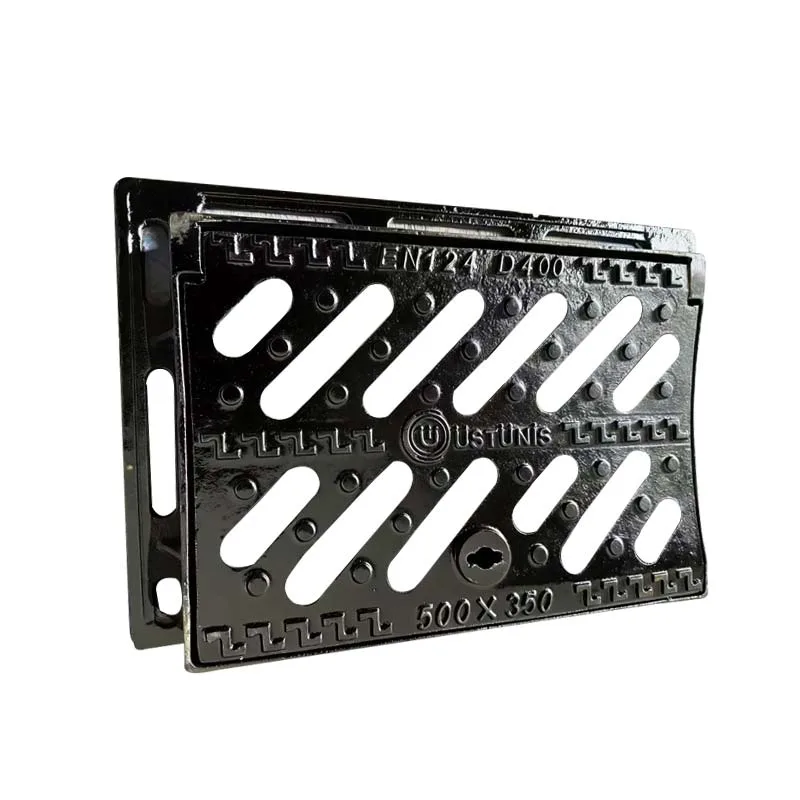
- Understand the importance of storm drain grates cast iron in urban infrastructure and flood management.
- Explore innovative design features for durability, safety, and aesthetics.
- Compare cast iron with other materials such as steel, plastic, and composites.
- Review international standards, installation methods, and maintenance best practices.
- Learn from real-world case studies in cities globally, supported by data and white papers.
Urbanization and climate change have increased the frequency of flooding events in cities worldwide. Efficient stormwater management is critical to protect lives, infrastructure, and traffic flow. Storm drain grates cast iron play a pivotal role, offering high durability, load-bearing capacity, and safety while integrating modern design features for urban aesthetics. This article provides an in-depth guide for engineers, urban planners, and municipal authorities.
The Role of Storm Drain Grates in Modern Urban Infrastructure
Addressing Urban Flood Risks
Intensified rainfall and poorly drained streets increase the risk of urban flooding. Efficient drainage prevents water accumulation on roads and sidewalks, reducing accidents, property damage, and traffic disruptions.
Environmental and Structural Requirements
Urban grates must endure heavy loads, resist corrosion, and provide pedestrian safety. QT500-7 ductile cast iron is widely used due to its excellent mechanical properties and long service life.
International Standards and Guidelines
Compliance ensures functionality and safety:
- EN 124: Gully tops and manhole covers standards for load classes.
- ASTM A536: Ductile iron casting specification.
- Load Classifications: A15 (pedestrian), C250 (cars), D400 (urban roads), E600 (heavy vehicles), F900 (airports/heavy-duty industrial zones).
Material Advantages of Cast Iron
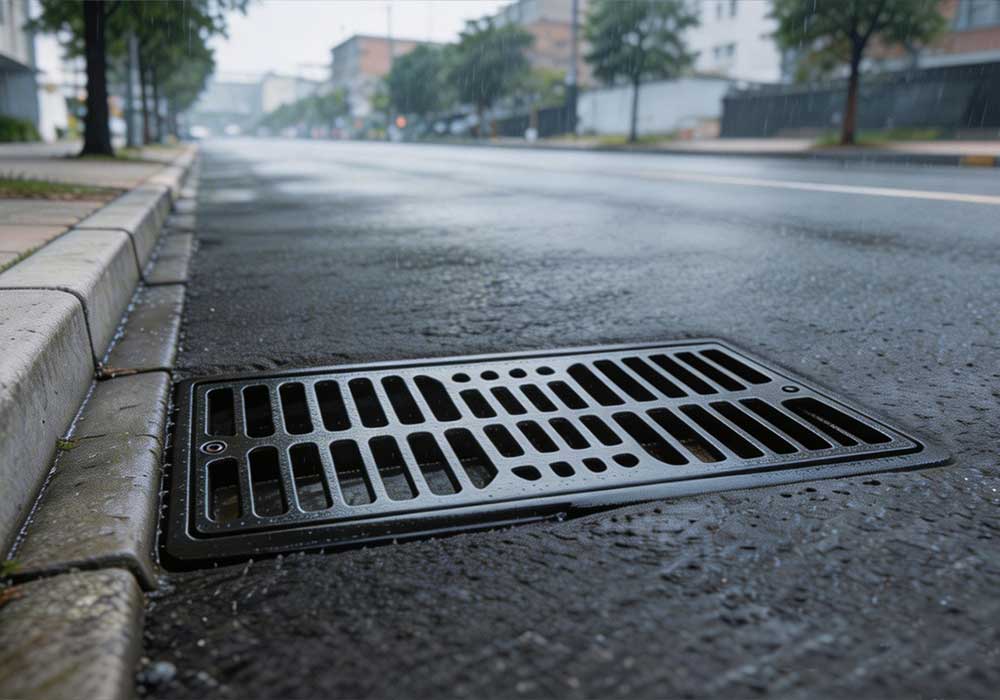
QT500-7 Ductile Iron Characteristics
- Tensile strength: ≥500 MPa
- Elongation: ≥7%
- Excellent impact resistance, toughness, and wear resistance
This material enables grates to withstand decades of traffic and environmental stress. It is resistant to freeze-thaw cycles, road salts, and chemical exposure common in urban environments.
Advanced Manufacturing Processes
- Spheroidization and precision casting improve mechanical uniformity.
- Integrated casting reduces weak points, increasing longevity.
- Optional powder coatings enhance corrosion resistance and surface aesthetics.
Design Innovations in Storm Drain Grates Cast Iron
Structural Approaches
Integrated Frame Grates
The grate and frame are cast as a single unit to eliminate vibration, displacement, and noise.
Modular Sectional Grates
Individual sections can be replaced quickly, reducing maintenance costs and urban disruption.
Anti-Slip Surface Patterns
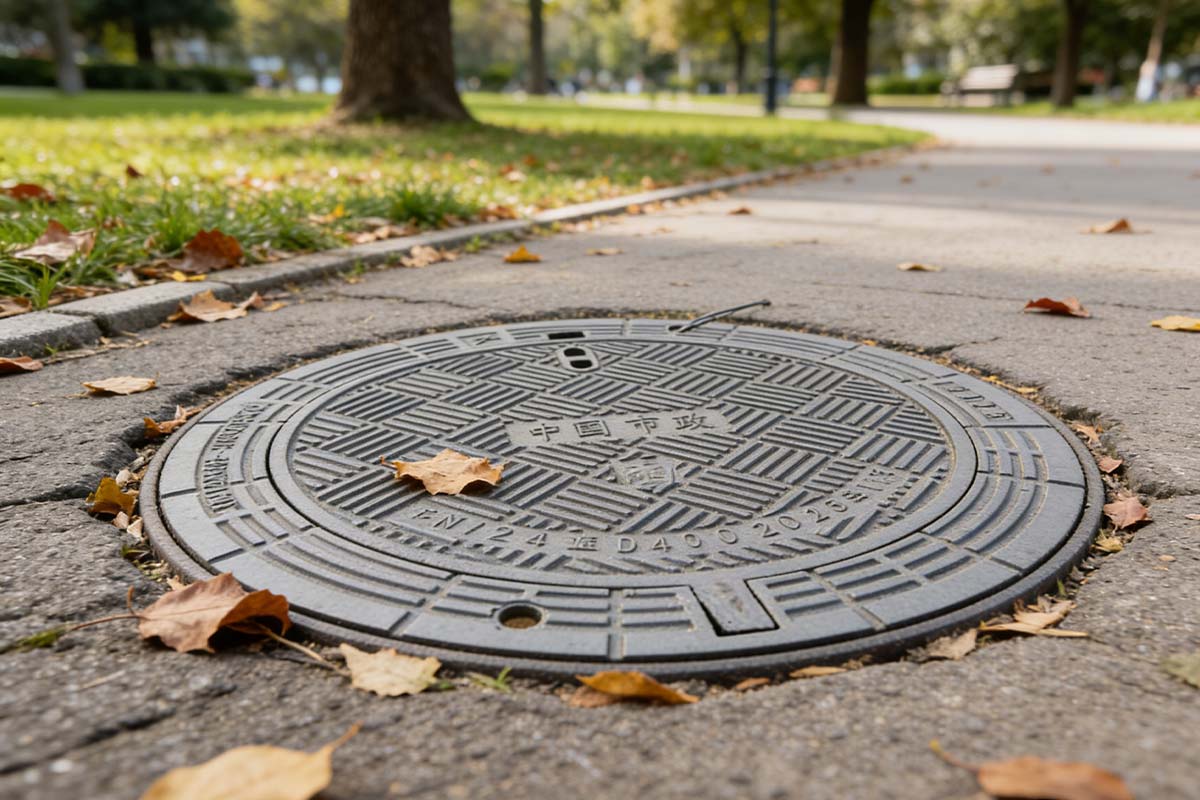
Textured or patterned surfaces prevent pedestrian and vehicle slippage. Designs can include city logos or artistic patterns to enhance streetscape aesthetics.
Hydrodynamic Optimizations
- Enlarged water channel areas increase drainage efficiency.
- Strategically placed holes distribute water evenly across the grate surface.
- Reduces flood risk by rapidly channeling runoff into underground sewer systems.
Storm Drain Grates Cast Iron vs Alternative Materials
| Feature | Cast Iron | Steel | Plastic / Composite |
|---|---|---|---|
| Load Capacity | Very High (F900) | High (E600) | Medium (C250) |
| Durability | 50+ Years | 20–30 Years | 10–15 Years |
| Corrosion Resistance | Excellent | Moderate | Low |
| Cost | Medium | Medium | Low |
| Maintenance | Minimal | Moderate | High |
| Theft Resistance | High | Medium | Low |
| Safety (Anti-Slip) | Excellent | Moderate | Limited |
Insight: Cast iron offers superior longevity and safety for high-traffic areas, whereas steel and plastic may suffice for low-traffic or temporary installations.
Urban Case Studies
Shanghai, China
- Installed QT500-7 ductile iron grates in high-density districts.
- Flood incidents reduced by 30% due to improved surface drainage.
- Anti-slip patterns enhanced pedestrian and vehicle safety.
Berlin, Germany
- Combined functional drainage with decorative city logos.
- Reduced maintenance by 25% over 10 years thanks to modular design.
- Successfully integrated into sidewalks, squares, and bike lanes.
New York City, USA
- F900 load-class grates used in heavily trafficked streets and industrial zones.
- Monitored drainage performance during extreme weather events.
- Anti-theft design prevented accidental or deliberate removal of grates.
Technical Specifications
| Feature | Specification |
|---|---|
| Material | QT500-7 Ductile Cast Iron |
| Standard Sizes | 300x500mm, 400x600mm, 500x1000mm, customizable |
| Load Classes | A15, C250, D400, E600, F900 |
| Surface | Anti-slip, decorative, or plain |
| Structure | Integrated frame or modular sections |
| Lifespan | 50+ years with proper maintenance |
Installation Best Practices
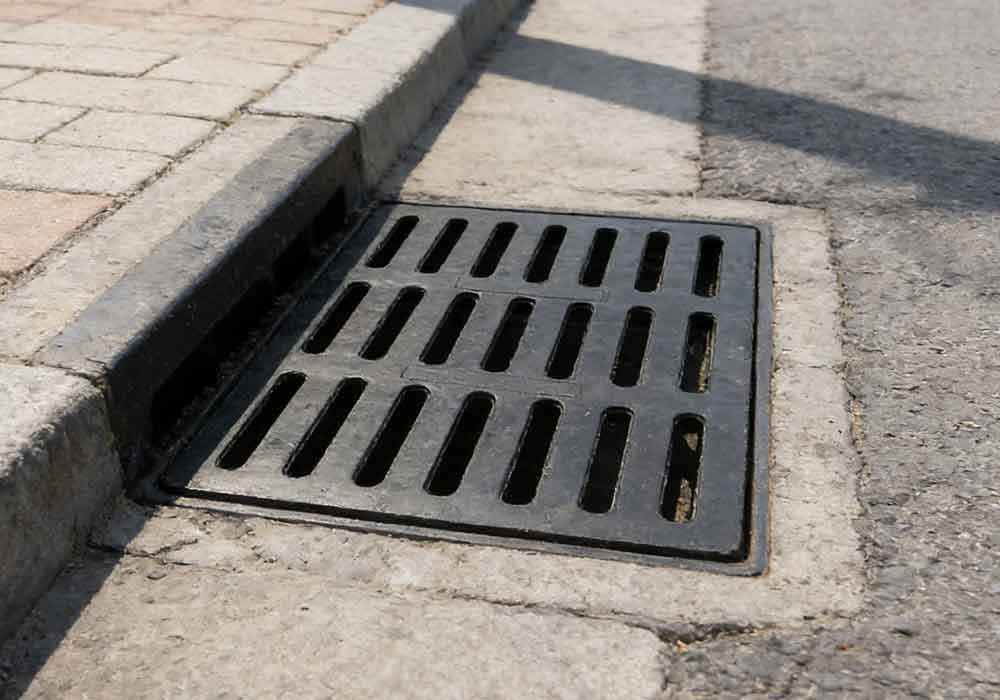
Level Installation
Proper installation begins with ensuring that the storm drain grates cast iron are perfectly level with the surrounding pavement. Uneven grates can cause tripping hazards for pedestrians and vibration damage to vehicles passing over them. Advanced surveying tools, such as laser levels and GPS-guided alignment, are recommended for high-traffic urban streets. In addition, using high-precision leveling ensures even load distribution, reducing wear on both the grate and surrounding asphalt or concrete.
Tight Fit
A tight, secure fit between the grate and the frame is essential to prevent movement caused by traffic or thermal expansion. Misaligned or loose grates can create noise pollution, accelerate material fatigue, and increase theft risk. Many modern designs feature interlocking frame systems and anti-theft bolts to enhance security. In industrial areas, where forklift or truck traffic is common, a tight fit reduces the risk of structural damage and operational downtime.
Alignment of Water Channels
Correct alignment of the water channels in the grate optimizes the flow of stormwater and prevents ponding, which can lead to localized flooding or ice formation in colder climates. Computational fluid dynamics (CFD) simulations are now sometimes used during the design and installation stages to model water behavior under heavy rainfall conditions. Proper alignment also reduces sediment buildup, enhancing long-term efficiency and minimizing maintenance costs.
Maintenance Guidelines
Routine Inspection
Routine inspections should be conducted at least quarterly, and after major rainfall events. Inspect for:
- Accumulated debris, such as leaves, sand, or trash
- Corrosion or surface wear, particularly in coastal or industrial environments
- Anti-slip surface integrity
Maintaining a digital inspection log can help municipalities track performance over time and identify recurring maintenance issues.
Cleaning and Debris Removal
Efficient cleaning prevents blockage of stormwater channels. Recommended methods include:
- High-pressure water jetting for surface and channel cleaning
- Suction vacuum trucks for deep debris removal
- Manual cleaning for hard-to-reach areas or decorative grates
Regular cleaning not only improves drainage performance but also prolongs the life of the cast iron grates. Studies show that proper maintenance can extend service life by up to 20%.
Modular Replacement
Modern modular storm drain grates cast iron allow damaged sections to be replaced without removing the entire grate. This reduces street closure times and labor costs. For example, a city in Germany implementing modular replacement reported a 30% reduction in maintenance downtime and 25% cost savings over a five-year period.
Applications of Storm Drain Grates Cast Iron
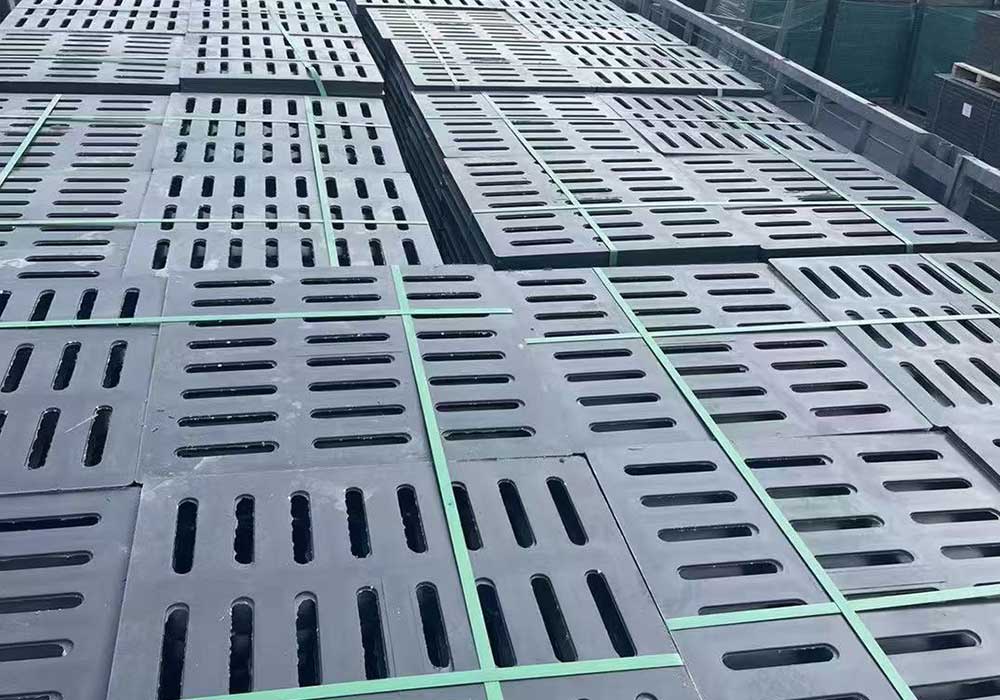
Urban Roads and High-Traffic Streets
Cast iron grates are ideal for main roads, highways, and intersections where vehicular loads are high. F900 or E600 grades are commonly used for industrial zones and arterial streets.
Residential Neighborhoods and Commercial Plazas
Grates with decorative patterns and anti-slip surfaces are often installed in pedestrian areas, public squares, and shopping plazas to combine aesthetics with functionality.
Parking Lots, Parks, and Recreational Areas
Areas with mixed foot and vehicle traffic benefit from durable, corrosion-resistant grates that maintain safety and appearance over time.
Industrial Zones and Municipal Stormwater Systems
High-capacity drainage systems in industrial districts require heavy-duty grates to handle equipment weight, chemical exposure, and continuous operation.
Flood-Prone Urban Districts
Cast iron grates with large water channel areas and high load classes are preferred in regions with high rainfall or flash floods, reducing the risk of urban flooding and associated damage.
Future Trends and Innovations
Smart Grates with IoT Sensors
- Real-time monitoring of water flow and blockages.
- Early flood warning systems.
- Integration with city-wide smart infrastructure platforms.
Sustainable Manufacturing Practices
- Recycled ductile iron content reduces environmental impact.
- Advanced 3D-printed molds enable rapid prototyping of new grate designs.
Global Standardization
- Harmonization of EN 124, ASTM A536, and ISO standards ensures global compatibility.
- Facilitates international procurement and cross-border urban projects.
Environmental and Economic Considerations
Life Cycle Cost Analysis
Investing in high-quality cast iron grates reduces long-term costs due to minimal maintenance, extended lifespan, and reduced flood damage.
Eco-Friendly Coatings
Lead-free, corrosion-resistant coatings prevent metal leaching into the drainage system.
Energy Efficiency in Manufacturing
Advanced casting techniques reduce energy consumption compared to traditional methods, minimizing carbon footprint.
FAQs
Q1: How long do storm drain grates cast iron last?
A1: With proper installation and routine maintenance, they can last 50 years or more, significantly outperforming steel or plastic alternatives.
Q2: Can cast iron grates handle heavy traffic?
A2: Yes. Grates can be engineered to F900 load class, supporting trucks, buses, and industrial machinery.
Q3: Are decorative designs available?
A3: Yes. Urban designers often include logos, geometric patterns, and anti-slip textures for safety and aesthetics.
Q4: How do modular grates reduce maintenance costs?
A4: Damaged sections can be replaced individually without removing the entire grate, reducing labor and urban disruption.
Q5: Are cast iron grates environmentally safe?
A5: Modern manufacturing uses eco-friendly coatings that prevent harmful leaching while maintaining corrosion resistance.
Q6: What are the installation best practices for urban streets?
A6: Ensure flush installation, secure fit, and optimal alignment of water channels for safety and efficiency.
Q7: Can cast iron grates be used in flood-prone areas?
A7: Yes, their high load capacity and large water channel designs make them ideal for high-rainfall or flood-prone urban districts.