

Table of Contents
A catch basin basket does its job by retaining material that would otherwise continue through the drainage system. That retained material then becomes an operating responsibility. If inspection and removal are not planned, a successful capture device can become a recurring restriction at the inlet. The maintenance question is therefore not simply how often a basket should be emptied. It is which observable condition should trigger action at this catchment, who can perform the work and whether the loaded basket can still be removed safely. This guide develops a practical maintenance brief around debris accumulation and the complete inlet arrangement, without assuming that one calendar interval or one basket design suits every site.
Assign the asset and the work before setting an interval
Identify the inlet, basket configuration, owner and maintenance team. Confirm whether the team responsible for street sweeping also services the basket or whether a separate contractor handles it. A drainage device can fall between those responsibilities if the handover record only lists the surface grate. Give the basket its own reference within the inlet record and note where access instructions and spare-part information are stored. This makes a maintenance task visible before a blockage creates an urgent call.
Check the practical constraints on every visit. The operator may need traffic management, authorization to open a secured grate, lifting equipment or a suitable waste route. These requirements affect the ability to respond to a trigger. A maintenance plan that assumes immediate access while the contractor needs a road closure is not operationally complete. Resolve the responsibility, response process and equipment availability before selecting a frequency that the team cannot actually deliver.
Describe the debris arriving from the catchment
Walk the contributing area and identify plausible sources of retained material. Trees, landscaped beds, loading activities, litter collection and nearby works can produce different loading patterns. Distinguish large leaves and packaging from fine sediment. A basket intended to intercept coarse debris should not be described as a complete treatment system for dissolved pollutants. The observed material and the device's documented function should determine what the maintenance record needs to capture.
The pattern may vary sharply through the year. A short period of leaf shedding can matter more than an average annual description, while construction activity can temporarily change the material reaching the inlet. Record these influences rather than treating them as unexplained exceptions. The initial inspection plan should allow adjustment when evidence shows that one inlet fills much faster than another. Keep any changes to the basket configuration subject to the owner's technical review.
Use serviceable capacity rather than geometric volume alone
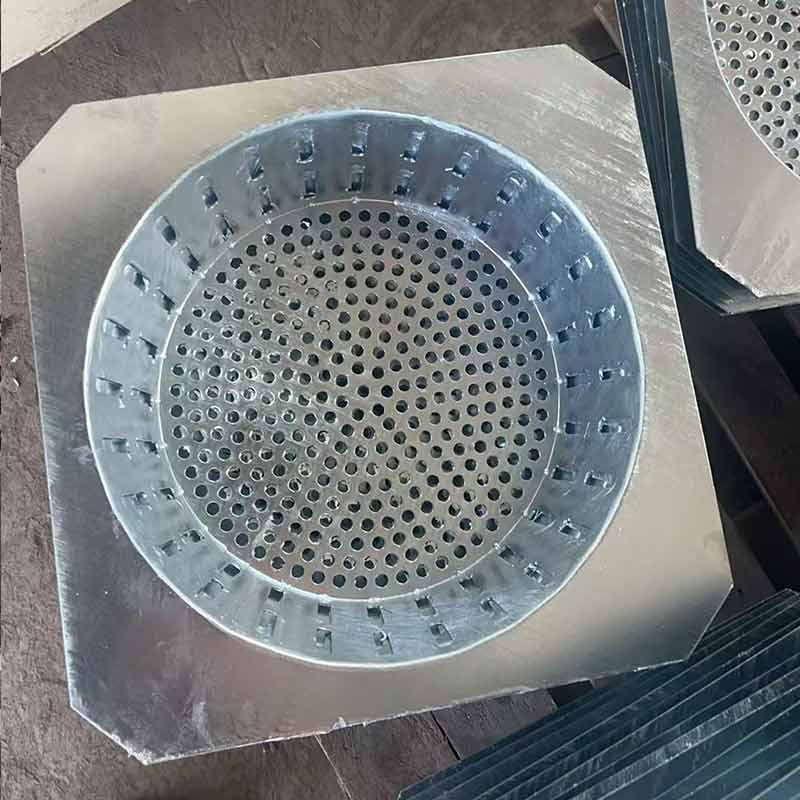
A catalogue volume does not directly determine the point at which a basket needs cleaning. Debris can bridge openings, accumulate unevenly or obstruct a bypass before the basket appears full. Define the observable conditions that would make the unit no longer serviceable in the approved arrangement. Those conditions may concern flow paths, retained material, support engagement or the ability to remove the unit. The responsible designer and operator should agree the trigger rather than relying on a generic fill percentage.
Photograph an empty installed basket and identify the features inspectors need to see. Mark the relevant reference points in the maintenance instruction or inspection form. If important surfaces cannot be inspected from above, explain how an authorized crew can assess them. Do not claim that a quick glance through the grate proves the full basket is clear. A reliable trigger must be observable with the method and access that the operator will actually use.
Treat loaded removal as part of the design
A basket that is easy to lift when empty may be difficult to handle when it contains wet debris. Ask the supplier for the intended lifting arrangement and applicable limits for the exact model. The owner should assess the expected retained material and handling method. Do not derive a safe lifting load from the empty basket mass or assume that handles are suitable for any mechanical lifting device. Those interfaces need their own documented review.
Check the removal envelope from the installed position to the collection point. Hinges, locks, curb openings and nearby street furniture can obstruct a loaded unit. A basket that can only be extracted at a steep angle may spill contents or interfere with its supports. Resolve these issues during the trial installation. Maintenance crews should not need to bend handles, remove unapproved components or enter the basin to perform what was sold as routine surface access.
| Field finding | Maintenance response to define | Record that supports review |
|---|---|---|
| Debris obscures an approved flow path | Clean under the owner-approved procedure | Pre-cleaning photograph and material description |
| Basket difficult to lift with retained material | Review handling method and removal trigger | Observed condition and equipment used |
| Support or handle damage | Apply withdrawal or technical review criteria | Defect location, photographs and asset reference |
| Repeated rapid loading at one inlet | Review catchment influences and inspection plan | Comparable records from successive visits |
| High water remains after basket cleaning | Arrange a wider drainage investigation | Basin levels and downstream observations |
Preserve the approved flow route when debris accumulates
Identify how water is intended to pass through the inlet with the basket in place and what happens as material accumulates. Some designs include a bypass or another flow route, while others depend on different operating conditions. The maintenance plan must refer to the actual arrangement. Do not assume that a visible gap is an engineered bypass or block it with an improvised screen. Any proposed change can affect both capture and drainage behaviour.
If field observations show recurring ponding, record the basket condition and the basin water level separately. A full basket may be involved, but a restriction farther downstream can produce similar symptoms. Escalate unresolved hydraulic questions rather than repeatedly changing the cleaning interval without evidence. Keep the investigation tied to the conditions observed. Removing the basket temporarily for authorized inspection does not approve permanent operation without it or establish compliance with the original capture objective.
Record each visit so the next interval can be justified
Use a compact record with date, asset reference, pre-cleaning condition, material removed, defects and the action taken. The EPA's stormwater maintenance guidance describes logging sediment removal and its date as part of catch basin maintenance. For a basket program, extend the local record with the observations that matter to its operation, such as blocked flow paths or difficult removal. Avoid inventing a precise mass when the crew has only made a visual assessment.
A simple consistent description is more useful than an elaborate form that staff do not complete. If quantities are estimated, label them as estimates and use the same basis between visits. Include photographs from repeatable viewpoints where practical. Record when no work was needed as well as when a unit was emptied. Those observations help distinguish a necessary shorter interval from a route that can be inspected differently without losing control of the asset.
Technical reference: EPA stormwater maintenance guidance.
Separate cleaning completion from defect closure
After removal, inspect the basket, supports, handles and accessible fixing points. Look for damage or deterioration that can affect serviceability. Record any finding and apply the owner's withdrawal or review criteria. An empty basket with a damaged support is not automatically ready for service. Similarly, the surface grate may need separate work if its hinge or restraint is defective. Give each unresolved issue a clear status rather than closing the entire visit as complete.
Before returning the inlet to service, confirm that the basket is seated as intended and does not interfere with the grate's operation. Restore locks and retention features under the applicable procedure. Dispose of removed material through the approved waste route and leave the surrounding surface usable. The visit record should state which checks were performed. It should also identify inaccessible parts or operational constraints that prevented a check from being completed.
Revise the plan using actual loading patterns
Review the first operating records against the assumptions made at procurement. Identify baskets that repeatedly reach the trigger before scheduled visits, those with removal difficulties and those affected by upstream activities. A targeted change may involve a seasonal inspection, improved litter management or a reviewed device arrangement. Keep the reasoning with the asset record. A frequency copied from another city or a different catchment is a starting assumption at most, not proof of suitability.
Shengxin's sewage interception basket page provides an entry point for discussing basket geometry and fit. For a useful enquiry, send inlet dimensions, expected debris, access photographs and the operator's removal method. Ask for the exact support and lifting details and confirm whether any claimed flow provision applies to the offered design. Procurement and maintenance should review the same assembly so that the device remains serviceable after the delivery team leaves.
Discuss the project requirements
Send Shengxin the inlet section, removal envelope, expected debris and maintenance equipment for a basket enquiry. Ask for support, lifting and flow details for the exact proposal. Agree how the unit will be inspected and emptied before approving a wider installation program.
Related product information: Shengxin sewage interception basket. Share the applicable project documents through our contact page.
Project questions
How often should a catch basin basket be cleaned?
Use the manufacturer’s instructions, owner requirements and observed loading to set the plan. A universal interval cannot account for different debris sources, access constraints and flow arrangements.
Is a basket ready for cleaning only when full?
No. Restricted flow paths, difficult loaded removal or another agreed serviceability condition may trigger action before the geometric volume is filled.
Can the empty basket weight define the handling method?
No. Retained wet material changes the load. Review the intended lifting points, equipment, removal envelope and applicable limits for the actual operating condition.
Does emptying the basket close every defect?
No. Damaged supports, handles, grate restraints or unresolved ponding require separate actions. Record them independently from the cleaning task.
What should the owner receive at handover?
Provide the installed configuration, support and removal details, maintenance instructions, identification, spare-part references and a usable inspection record. Assign responsibility and the process for responding to a trigger.