

Come to our blog. We are a professional manufacturer of ductile iron and composite resin manhole covers, supplying infrastructure products for municipal and industrial projects worldwide.
- 👉 Follow us on Facebook for the latest product updates, industry news, and project cases.
- 👉 If you have any project requirements or need a quotation, feel free to contact our team directly for fast support and customized solutions.
Please continue reading our blog for more industry insights and product information
Table of Contents
Key Takeaways of This Guide
- Cast iron drain grates are essential for modern road drainage systems
- They provide high load-bearing strength for traffic and infrastructure safety
- Different grate designs are used depending on road type and drainage demand
- Material grade and structural design directly affect durability and performance
- Proper selection reduces maintenance cost and improves drainage efficiency
- Widely used in highways, urban roads, industrial zones, and bridges
Introduction
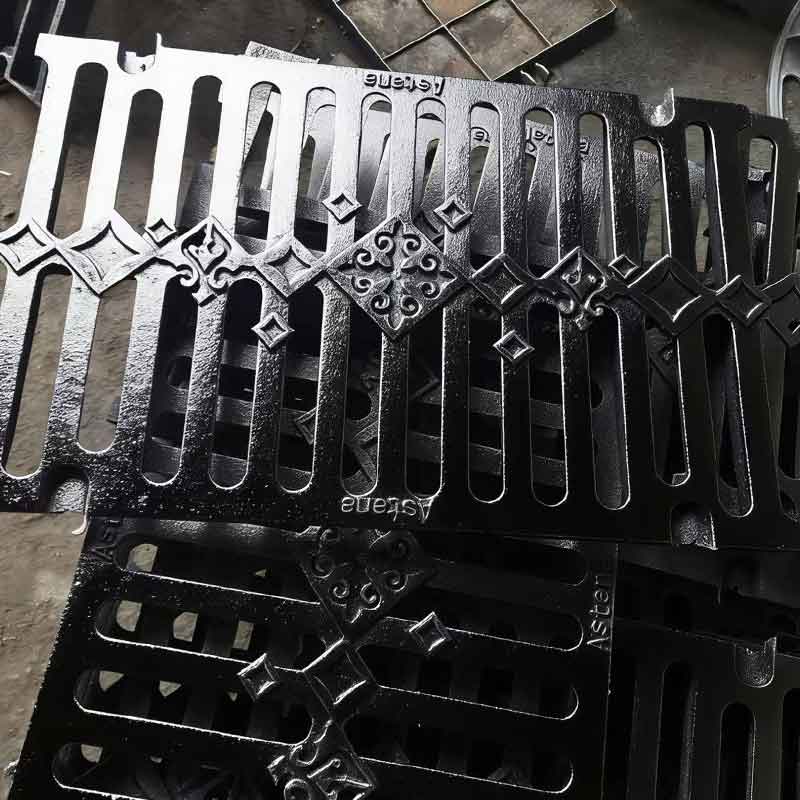
Cast iron drain grates for roads are heavy-duty drainage components designed to manage surface water runoff in transportation infrastructure. They are installed over drainage channels to prevent debris entry while allowing efficient water flow.
In modern civil engineering, cast iron drain grates are considered a standard solution for road drainage systems due to their strength, durability, and resistance to heavy traffic loads. They are widely used in highways, urban streets, industrial parks, and municipal infrastructure projects.
According to global infrastructure maintenance reports published by transportation engineering associations, over 70% of urban drainage failures are related to inadequate surface water management. This makes cast iron drain grates for roads a critical infrastructure component rather than a simple accessory.
Cast Iron Drain Grates for Roads Engineering Concept
Load-Bearing Structural Design
Cast iron drain grates are engineered to withstand high vertical and dynamic loads generated by vehicles.
They are commonly designed to meet road load classifications such as:
- Light traffic zones
- Urban roads
- Heavy-duty highways
- Industrial vehicle routes
European standards such as EN 124 classify drainage covers into load groups (A15 to F900), where highway applications typically require D400 or higher load ratings.
Anti-Deformation Frame System
The surrounding frame structure ensures that the grate remains stable under continuous pressure.
This prevents:
- Surface deformation
- Frame displacement
- Road surface cracking
Modern municipal engineering studies show that improper frame anchoring is responsible for up to 40% of premature drainage system failures in high-traffic zones.
Water Flow Optimization Concept
Drainage slot design is optimized to balance:
- Maximum water intake capacity
- Anti-clogging performance
- Safe tire contact surface
Hydraulic simulation tests are commonly used to evaluate flow capacity under simulated rainfall intensities of 50–200 mm/hour depending on regional standards.
Types of Cast Iron Drain Grates for Roads
Flat Top Drain Grates
Flat designs are widely used in urban road systems.
They provide:
- Smooth vehicle passage
- High surface stability
- Minimal noise during traffic flow
Hinged Drain Grates
Hinged systems allow easy maintenance access.
They are commonly used in:
- Municipal drainage systems
- Roadside inspection points
- Industrial drainage networks
Heavy Duty Reinforced Grates
These are designed for highways and freight corridors.
Key features include:
- Reinforced rib structure
- High impact resistance
- Extended service life
Industry testing shows heavy-duty cast iron grates can withstand repeated axle loads exceeding 40 tons in certified highway applications.
Cast Iron Drain Grates vs Alternative Materials
Material Comparison Table
| Feature | Cast Iron Grates | Steel Grates | Composite Grates |
|---|---|---|---|
| Load Capacity | Very High | High | Medium |
| Durability | Excellent | Good | Moderate |
| Corrosion Resistance | Medium | Low–Medium | High |
| Maintenance Cost | Low | Medium | Low |
| Road Suitability | Highways & heavy traffic | Industrial roads | Light traffic areas |
Concept Comparison
Strength vs Weight Efficiency
Cast iron drain grates prioritize structural strength over lightweight design, making them ideal for high-load environments.
Cost vs Lifecycle Value
Although initial cost may be higher, lifecycle cost analysis (LCCA) shows cast iron solutions reduce long-term maintenance spending by 20%–45% compared to lighter alternatives.
Cast Iron Drain Grates for Roads Manufacturing Process
Material Casting Process
Cast iron is melted and poured into precision molds to form grate structures.
Modern foundries often use:
- Ductile iron (EN-GJS grades)
- Gray iron (EN-GJL grades)
Ductile iron is preferred for road systems due to its higher tensile strength and impact resistance.
Surface Treatment Technology
Modern coatings improve performance by:
- Enhancing corrosion resistance
- Reducing wear from vehicle friction
- Extending service life
Common treatments include:
- Bituminous coating
- Epoxy powder coating
- Zinc-rich anti-corrosion layers
Quality Inspection Standards
Industrial production typically follows:
- Load testing standards (EN 124 / ASTM A48)
- Dimensional accuracy checks
- Surface defect inspection
Many suppliers also implement ISO 9001 quality management systems for consistent output control.
Cast Iron Drain Grates for Roads Application Scenarios
Highway Drainage Systems
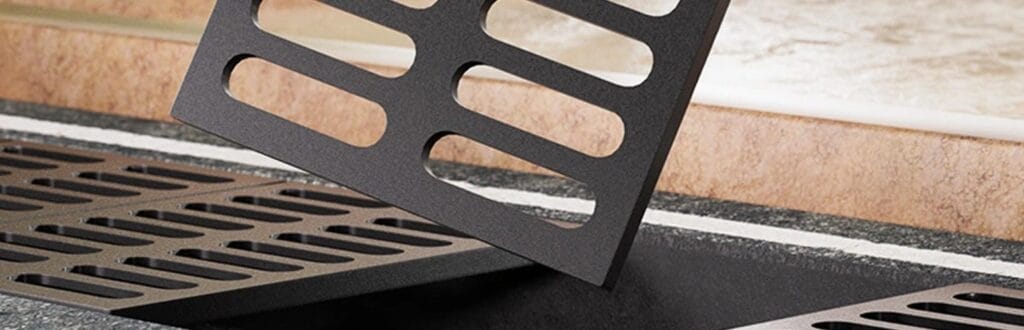
Highways require high-strength grates to handle fast-moving heavy vehicles and continuous traffic loads.
Design requirement benchmarks:
- High load class (D400–F900 equivalent)
- Anti-slip surface pattern
- Anti-noise structure design
Urban Road Infrastructure
Urban applications focus on balancing drainage efficiency and pedestrian safety.
Common features include:
- Narrow slot spacing
- Anti-heel trap design
- Anti-theft locking systems
Industrial Zones
Factories and logistics parks require reinforced grates for heavy trucks and forklifts.
Bridge and Tunnel Systems
Drainage systems in enclosed structures require high corrosion resistance and structural reliability.
Engineering Standards and Global Compliance Framework
EN 124 Standard (Europe)
Defines load classification and testing requirements for manhole covers and drain grates.
ASTM Standards (USA)
Focus on material strength, casting quality, and load resistance validation.
ISO 1083 Ductile Iron Standard
Defines mechanical properties of spheroidal graphite cast iron used in heavy-duty drainage systems.
Municipal Engineering Guidelines
Many countries require:
- Minimum load class certification
- Anti-slip surface treatment
- Corrosion resistance testing reports
Cast Iron Drain Grates Industry Data & Market Trends (2025–2026)
Global Infrastructure Investment Growth
According to international infrastructure development reports:
- Urban drainage system investment is growing steadily in developing economies
- Smart city drainage upgrades are increasing demand for standardized grating systems
Smart Drainage System Integration
New trends include:
- IoT-based flood monitoring systems
- Smart drainage mapping for cities
- Integrated water management platforms
Cast iron drain grates remain the physical foundation of these smart systems.
Sustainability Trends
Manufacturers are adopting:
- Recycled cast iron materials
- Low-emission foundry processes
- Eco-friendly coating systems
Cast Iron Drain Grates Engineering Case Studies
Case Study 1: Urban Flood Reduction Project
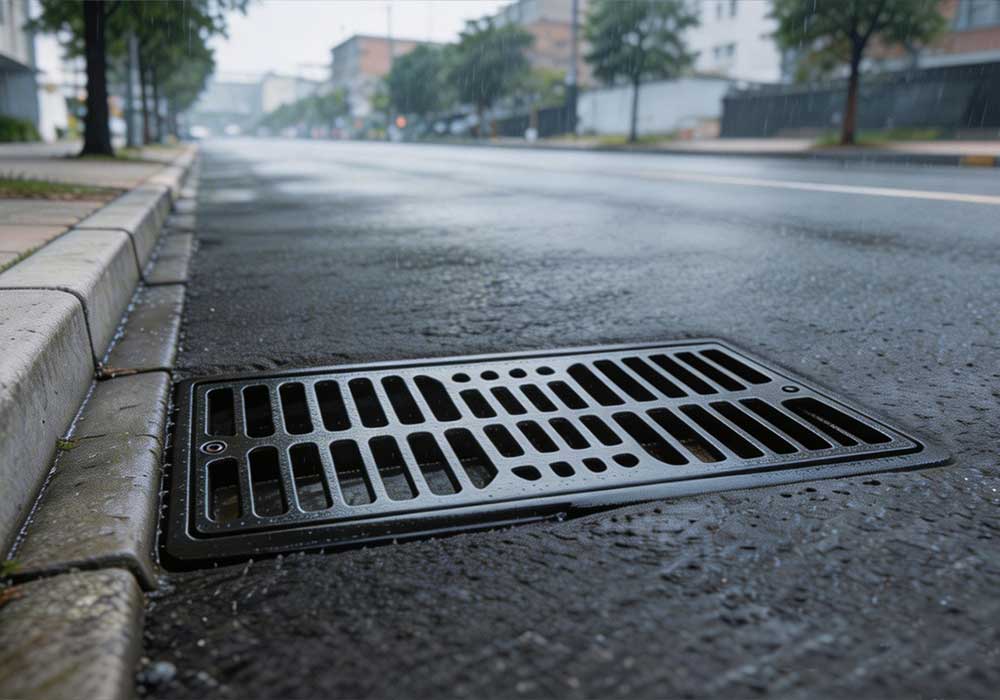
A large metropolitan city upgraded its drainage system using ductile iron drain grates.
Results:
- 32% reduction in surface water accumulation
- Improved traffic safety during heavy rain events
- Lower maintenance frequency
Case Study 2: Highway Expansion Project
High-load reinforced cast iron drain grates were installed along a national highway corridor.
Outcome:
- Improved drainage efficiency during monsoon seasons
- Reduced roadway maintenance shutdowns
- Extended infrastructure lifespan
Case Study 3: Industrial Logistics Park
Heavy-duty grates installed in container loading zones improved structural durability under repetitive heavy truck loads.
Cast Iron Drain Grates Procurement & Selection Guide
Load Requirement Evaluation
Engineers must consider:
- Vehicle type frequency
- Maximum axle load
- Traffic density
Environmental Condition Assessment
Important factors:
- Rainfall intensity
- Soil corrosion level
- Temperature variation
Design Compatibility Analysis
Selection must match:
- Drainage channel width
- Road surface structure
- Maintenance accessibility
Cast Iron Drain Grates for Roads Maintenance System
Preventive Maintenance Strategy
Regular inspection ensures:
- No blockage in drainage channels
- Structural integrity remains stable
- Reduced emergency repair costs
Cleaning Optimization Methods
Modern cities use:
- High-pressure water flushing systems
- Mechanical debris removal units
- Smart inspection drones
Lifecycle Extension Strategy
Proper maintenance can extend service life significantly, especially in high-load highway environments.
Conclusion
Cast iron drain grates for roads are not just drainage components—they are critical infrastructure elements that directly affect road safety, flood control, and urban resilience.
With increasing global urbanization, climate change-driven rainfall intensity, and smart city expansion, demand for high-performance drainage systems continues to grow.
In modern civil engineering, properly selected and maintained cast iron drain grates significantly improve infrastructure reliability and long-term operational efficiency.
FAQ
What are cast iron drain grates used for?
They are used in road drainage systems to manage surface water and prevent flooding on highways and urban streets.
Why are cast iron drain grates preferred for roads?
Because they offer high load capacity, long service life, and excellent resistance to heavy traffic conditions.
Can cast iron drain grates support heavy trucks?
Yes, reinforced designs are specifically engineered for heavy-duty industrial and highway traffic.
How often should drain grates be maintained?
Maintenance frequency depends on environmental conditions, but regular inspection is recommended to ensure proper drainage.
What affects the lifespan of cast iron drain grates?
Traffic load, environmental corrosion, installation quality, and maintenance practices all influence durability.