สารบัญ
Manhole cover lifting keys can look compatible because their tips enter a socket. Entry alone does not establish the intended engagement or authorize the planned movement. When the lid does not respond, the cause may lie in the key, the socket, a separate restraint or the working arrangement around the opening. This guide examines those situations individually. It helps maintenance and purchasing teams request the right interface information and plan a controlled response without treating a longer lever or a similar-looking replacement key as the answer to every difficult cover.
The key enters but its engagement is uncertain
Begin with the exact cover and key references. Obtain the manufacturer's description of how the tool engages for that model, including any required insertion, alignment or securing step. Different interfaces can accept a tip loosely while contacting the wrong surfaces. The correct question is whether the prescribed connection is achieved, not whether the key can be pushed into the opening. Keep the operation within the approved method while uncertainty is resolved.
Inspect the accessible socket condition using the owner's procedure. Deposits, damaged edges or an unapproved coating can affect engagement. Record what is visible and what cannot be assessed. A tool that appears partly engaged should not be treated as a successful interface test. Ask the supplier what information or inspection is needed to confirm the connection before using it for the planned lift.
The correct tool cannot reach its full operating position
Locate the socket relative to the curb, wall, frame recess and surrounding surface. A compatible key can be unusable because its handle or movement is obstructed. Show the actual tool envelope on a sketch or demonstrate it under the approved safe process. This is a site-access problem rather than proof that the tip is wrong. The remedy needs to preserve both the product interface and the working space.
Review recent resurfacing or adjacent work if the problem is new. A filled recess or raised surface can change access while the cover model remains unchanged. Record the physical condition before modifying anything. Cutting the key shorter or enlarging the socket can change the reviewed arrangement and may create a different problem. The responsible parties should resolve the obstruction through an approved detail or compatible method.
The key engages but the lid remains restrained
Check the prescribed release sequence for locks, bolts, captive features or other hardware. Lifting keys and unlocking tools may have separate functions even when they resemble one another. The crew needs a positive way to confirm each required release step before the lift. A lack of movement does not demonstrate that greater force is needed; it may show that the assembly remains intentionally connected.
If the release state cannot be verified, use the owner's escalation route. Record which hardware was inspected and what happened during the approved attempt. Do not infer that every resistant lid has a failed key. A supplier can provide the operating instructions for the identified model, while the site team must confirm that the actual assembly and accessories match them. This diagnosis avoids damaging a good lifting interface to overcome an unresolved restraint.
The restraints are released but the lid is still bound
Investigate the seating and surrounding interfaces through the authorized process. Debris, hardened material, an incompatible lid or other interference can prevent normal movement. Describe the condition without assuming one cause. A key can be correctly matched while the task remains unsuitable for the planned method. The response needs to address the binding mechanism rather than extend the tool beyond its intended use.
Ask the supplier or responsible technical reviewer which alternative assessment or release method is appropriate. Avoid an improvised sequence of striking, heating or adding lever length. Such actions can damage the component and create uncontrolled movement when the obstruction releases. Preserve the evidence needed to understand the difficulty. The objective is a defined way to restore access and inspect the assembly, not merely to make it move once by an unexplained method.
| Observed difficulty | Next question | What it does not prove |
|---|---|---|
| Tip enters loosely | Is the prescribed engagement achieved? | Entry means compatibility |
| Handle cannot move | Does the installed layout obstruct the tool? | A different tip is necessarily needed |
| Engaged key but no lid movement | Are restraints released and interfaces clear? | More force is the correct response |
| New cover almost accepts the old key | Which tool does the offered model approve? | Nominal cover size preserves the old interface |
One key is available but the method calls for another arrangement
Confirm the number and type of lifting interfaces required by the approved method. The presence of several sockets does not authorize every combination of keys or every loading direction. If the method uses an assisted device or coordinated handling, obtain its complete requirements. A missing tool is an equipment-planning gap, not a reason to invent a different connection at the worksite.
HSE's planning guidance for lifting operations highlights the importance of suitable equipment, attachment, working location and defined responsibilities. Apply the relevant workplace rules and competent assessment to the actual cover task. A compatible key is only one component of that plan. The lid's configured mass, movement, temporary support and operator position still need an appropriate basis. Do not present a general manual-lifting threshold as proof that one available key makes the task acceptable.
อ้างอิงทางเทคนิค: HSE guidance on lifting equipment and attachment planning.
The key itself is bent, worn or unidentified
Keep damaged or uncertain tools within the owner's inspection and disposition process. Preserve the reference if legible and record the observed condition. A worn tip may engage differently even though it fits the socket opening. Comparison with an approved undamaged tool can help identify what needs review, but the permitted acceptance and repair method should come from the relevant instructions rather than an informal workshop judgement.
Do not straighten, weld or reshape the key by default. A repaired appearance does not establish restored suitability for handling. Obtain a correct replacement or approved disposition and update the tool inventory. If several similar keys are stored together, identify their compatible assets or model groups clearly. This reduces the chance that an operator selects an unfamiliar tool because it is the first one available during an urgent visit.
A replacement cover arrives and the old key almost fits
Review the offered lifting interface before accepting the replacement model. A nominally equal opening and familiar surface pattern do not guarantee the same socket. Ask the supplier to confirm compatible tools in writing, with a drawing or interface reference where available. The procurement schedule should include tools needed to operate the final assembly rather than treating them as an optional item discovered after installation.
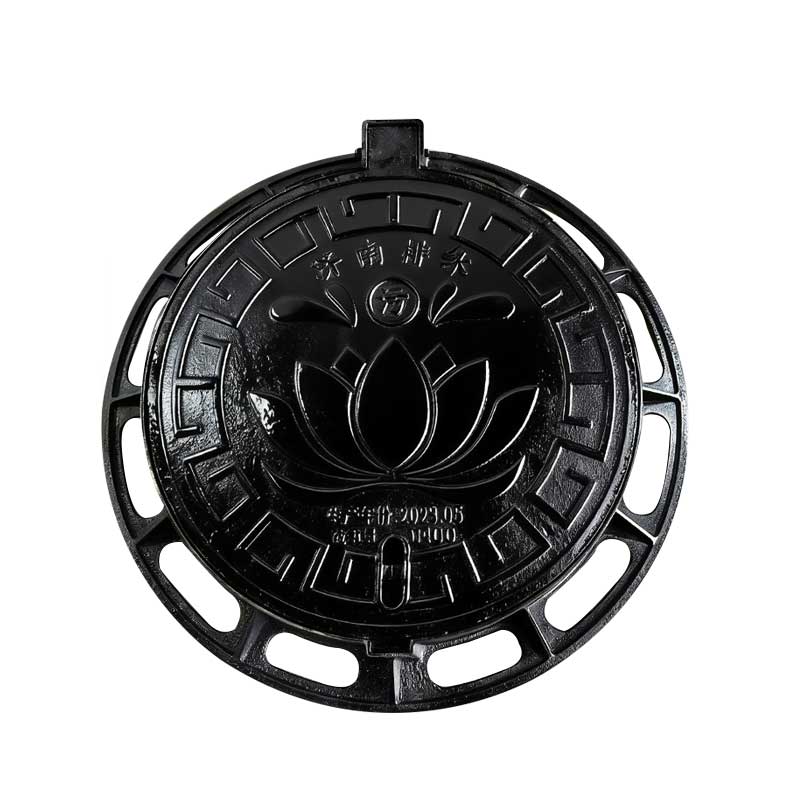
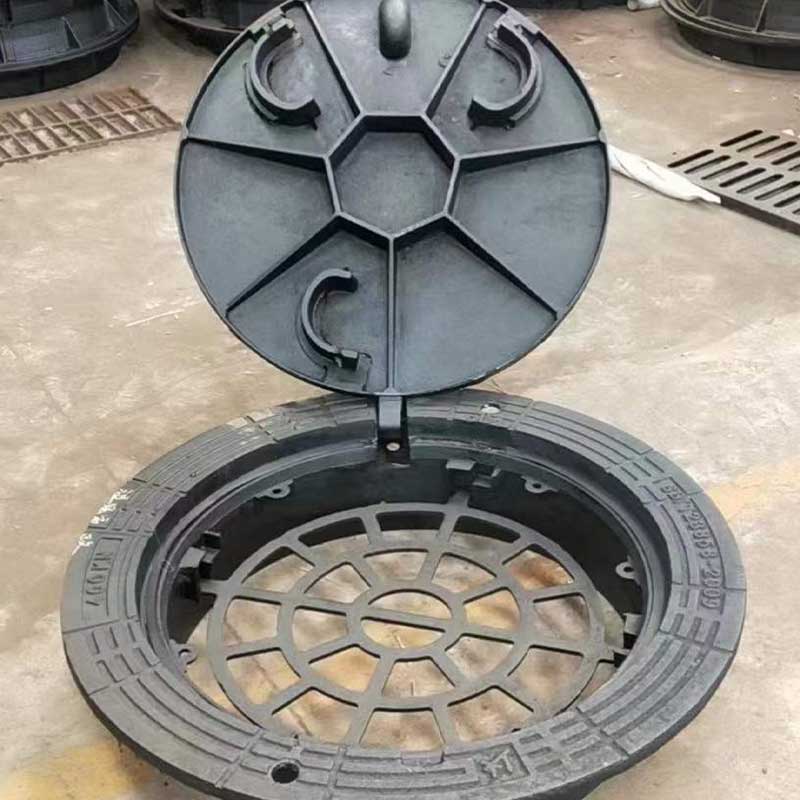
Shengxin's round cast iron manhole cover range provides a relevant starting point for this discussion. Send the existing tool references and the required maintenance arrangement with the enquiry. Confirm the proposed model's actual lifting features and operating instructions. A general product photograph can identify a family but cannot prove compatibility with every key in the contractor's stock. Where the interface differs, resolve the tool and training implications before handover.
A bench demonstration succeeds but the site task remains incomplete
Record what the demonstration proved. An unloaded interface check can establish engagement between identified parts, while a representative site operation addresses access, restraints and the movement to a stable open or storage position. These are different verification layers. Keep their results distinct rather than reporting a complete maintenance acceptance from a successful insertion of the key into a loose sample.
Use the intended tool set and actual installed surroundings for the relevant trial. Include restoration: the lid must return to its intended seat and associated hardware must be restored. Ask the operator to follow the documented sequence so unclear instructions become visible. If a part changes after the trial, review the affected interface. A useful test is traceable to the final production cover, key and operating arrangement.
The next crew needs an answer without repeating the diagnosis
Create an asset-to-tool reference list linking cover models, compatible key references and any special operating requirements. Store the instructions where the responding team can retrieve them. Include the process for damaged tools, uncertain engagement and failed release. A photograph of the key can aid identification, but should be accompanied by a controlled reference so a similar-looking substitute is not mistaken for the approved item.
Record recurring difficulties by cause where established. A contaminated socket, an obstructed handle and a retained lock require different corrective actions. Avoid one broad category of hard-to-lift covers that encourages every contractor to bring more leverage. The benefit of a lifting-key review is a repeatable interface and a clear diagnostic boundary. It lets the owner distinguish a tool issue from a cover, restraint or site problem before the next maintenance task begins.
หารือเกี่ยวกับข้อกําหนดของโครงการ
Send Shengxin the cover identification, socket photographs and tool references your crew currently uses. Request explicit compatibility and operating information for the proposed model, then verify the complete maintenance sequence in its installed layout.
ข้อมูลผลิตภัณฑ์ที่เกี่ยวข้อง: ช่วงฝาครอบท่อระบายน้ําเหล็กหล่อกลม Shengxin. แบ่งปันเอกสารโครงการที่เกี่ยวข้องผ่านทางเรา หน้าติดต่อ.
คําถามของโครงการ
Does a key fitting into the socket prove compatibility?
No. Verify the prescribed engagement and the approved tool reference for the exact model.
Is an unlocking key always a lifting key?
No. Confirm each function and operating step from the model instructions. Similar-looking tools may serve different purposes.
What if the handle is obstructed by a curb?
Treat it as an installed-access question and obtain an approved solution. Changing the key or socket informally can create another unreviewed interface.
Can a damaged key be straightened and reused?
Use the appropriate tool inspection and disposition process. A restored shape alone does not establish suitability for lifting.
What should a tool inventory link to each asset?
Record the cover model, approved key reference, operating instructions, required tool set and response to uncertain engagement or failed release.