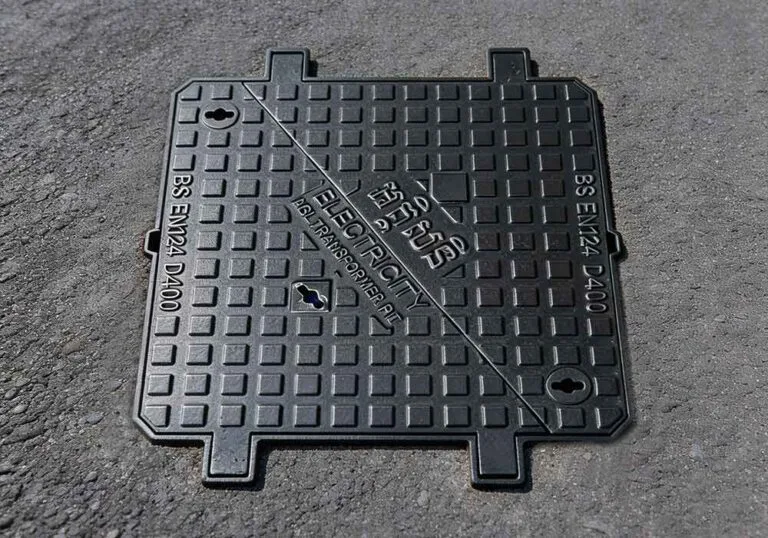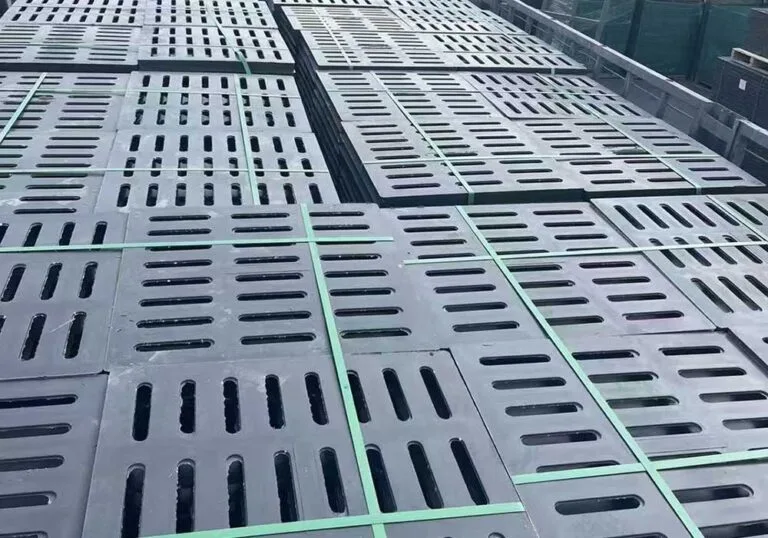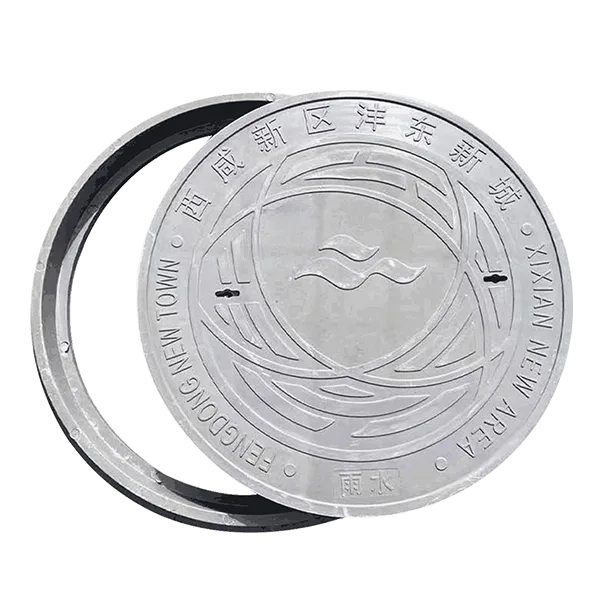


supplying infrastructure products for municipal and industrial projects worldwide.
- 👉 ติดตามเราบนเฟสบุ๊ค สําหรับการอัปเดตผลิตภัณฑ์ล่าสุด ข่าวอุตสาหกรรม และกรณีโครงการ.
- 👉หากคุณมีความต้องการของโครงการใด ๆ หรือต้องการใบเสนอราคาโปรดอย่าลังเลที่จะ ติดต่อทีมงานของเรา โดยตรงสําหรับการสนับสนุนที่รวดเร็วและโซลูชั่นที่กําหนดเอง.
โปรดอ่านบล็อกของเราต่อไปเพื่อดูข้อมูลเชิงลึกเกี่ยวกับอุตสาหกรรมและข้อมูลผลิตภัณฑ์เพิ่มเติม
สารบัญ
อัน ฝาครอบท่อระบายน้ํา FRP is widely selected for drainage networks, utility chambers, residential developments, and industrial facilities because it combines corrosion resistance with relatively low weight. However, buyers should not evaluate lifespan from material claims alone. Load class, resin quality, installation, traffic conditions, and maintenance all affect how long a cover remains safe and serviceable.
Key points covered in this guide:
- The typical service-life range of an FRP manhole cover
- The difference between design life and actual field life
- How resin, fiberglass, and manufacturing quality affect durability
- The effects of traffic, UV exposure, chemicals, and temperature
- FRP, cast iron, and concrete lifespan comparisons
- Warning signs that indicate repair or replacement
- Questions buyers should ask before placing an order
- Practical ways to reduce long-term replacement costs
What Is the Typical FRP Manhole Cover Lifespan?
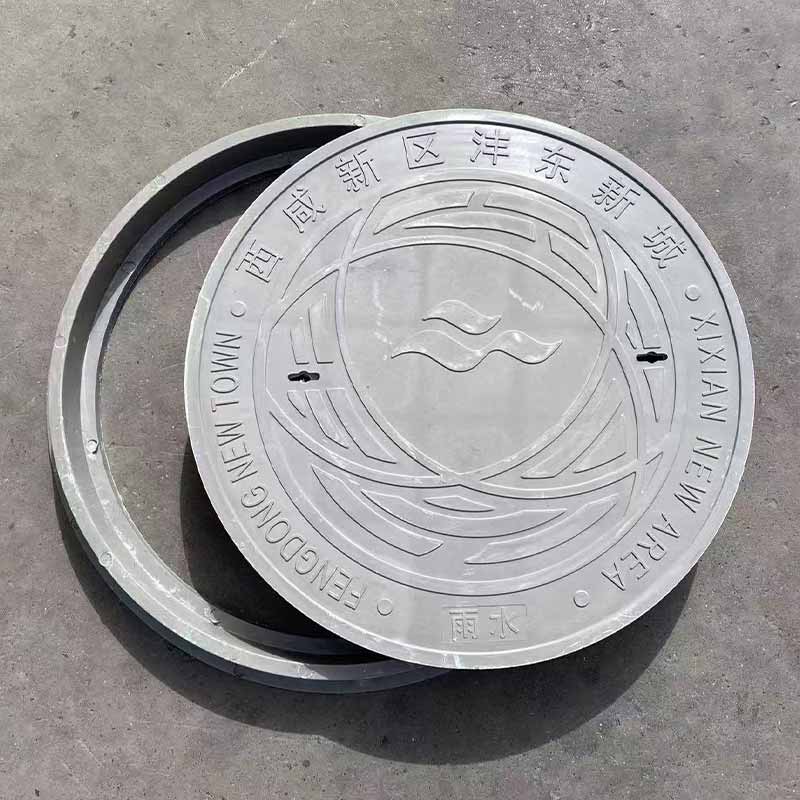
A properly specified and correctly installed FRP manhole cover may provide approximately 20–30 years of service under suitable operating conditions. High-quality products used in controlled environments may remain functional for longer, while incorrectly selected or poorly installed covers can fail much earlier.
This range should be treated as a planning estimate rather than a universal guarantee. Manufacturers and project engineers must consider actual wheel loads, traffic frequency, climate, installation conditions, and chemical exposure before estimating service life.
Design Life vs Actual Service Life
Design life is the period a product is expected to meet specified performance requirements under defined conditions. Actual service life is how long it remains safe and usable at a particular installation site.
The two figures may differ significantly. For example, a cover designed for occasional light vehicles may deteriorate quickly if installed in a truck route with repeated dynamic loading.
Structural Life
Structural life refers to the period during which the cover can support its intended load without cracking, excessive deflection, or fiber failure. It depends heavily on the fiberglass layout, resin-to-fiber ratio, cover thickness, and internal reinforcement design.
A product may still look acceptable on the surface while its structural capacity has already declined. Periodic inspection is therefore more reliable than appearance alone.
Functional Life
Functional life includes more than load capacity. The cover should continue to fit the frame correctly, resist slipping, limit unwanted movement, and provide safe access to the chamber below.
Noise, rocking, poor seating, worn locking parts, or reduced slip resistance may end the product’s functional life even when the main panel has not fractured.
What Determines FRP Manhole Cover Durability?
FRP stands for fiber-reinforced polymer or fiber-reinforced plastic. Its performance comes from the interaction between glass fibers, polymer resin, fillers, surface materials, and structural design.
Two covers with similar dimensions can therefore have very different lifespans. Buyers should compare material specifications and test results instead of relying only on product weight or price.
Fiberglass Reinforcement
Glass fibers carry much of the structural load. Their length, orientation, distribution, and bond with the resin influence flexural strength and fatigue resistance.
Consistent fiber distribution helps prevent isolated weak zones. Insufficient or uneven reinforcement may lead to cracking under repeated vehicle loads.
Resin System
The resin binds the reinforcement together and protects it from water, chemicals, and environmental exposure. Polyester, vinyl ester, and other engineered resin systems can offer different levels of chemical and temperature resistance.
The correct resin should be selected for the intended environment. A drainage project exposed to saltwater or industrial chemicals may require a different formulation from a residential walkway.
Resin-to-Fiber Balance
Adding more resin does not automatically produce a stronger cover. Excess resin can increase brittleness, while insufficient resin may leave fibers poorly protected.
Stable manufacturing control is required to achieve a balanced structure. Buyers should ask suppliers how material proportions and production consistency are monitored.
Surface Protection
The outer layer protects the internal structure from weather, abrasion, moisture, and ultraviolet radiation. A well-designed surface can also maintain slip resistance in wet conditions.
Surface fading does not always mean structural failure, but chalking, deep erosion, exposed fibers, or delamination should be investigated.
FRP Manhole Cover Lifespan by Application
The following ranges are general planning references rather than guaranteed values. Actual performance must be determined from the product specification, certified load class, installation quality, and site conditions.
| ใบสมัคร | Typical Exposure | Indicative Service Life | Main Risk Factors |
|---|---|---|---|
| Gardens and landscaped areas | Pedestrians and limited weathering | 25–30+ years | UV exposure, soil movement |
| Sidewalks and parks | Frequent pedestrians and light service loads | 20 ปี 30 ปี | Surface wear, poor frame support |
| ชุมชนที่อยู่อาศัย | Pedestrians and occasional cars | 20 ปี 30 ปี | Incorrect load class, installation gaps |
| พื้นที่จอดรถ | Repeated passenger vehicles | 15 ปี 5 ปี | Dynamic wheel loads, frame movement |
| สิ่งอํานวยความสะดวกอุตสาหกรรม | Vehicles, chemicals, and frequent access | 15 ปี 5 ปี | Chemical attack, impact, overload |
| Coastal projects | Salt, humidity, and strong sunlight | 20 ปี 30 ปี | UV degradation, unsuitable resin |
| Heavy-traffic roads | Trucks and repeated wheel loading | Site-specific | Fatigue, overload, incorrect classification |
An FRP manhole cover should not be selected solely according to opening size. Installation location and expected traffic determine the minimum load class and structural configuration.
How Load Class Affects Service Life
Repeated loading is one of the most important factors in long-term performance. A cover operating close to or above its design capacity may experience progressive cracking, deflection, frame damage, or internal fatigue.
Relevant standards classify access covers according to their intended installation areas. For composite products in pedestrian and vehicular zones, project teams can consult the requirements of EN 124-5 for composite manhole tops alongside local regulations and tender specifications.
Static Load
Static load is a load applied with limited movement, such as equipment resting over or near an access chamber. Laboratory load testing is useful for confirming basic structural capacity under controlled conditions.
However, a static test result does not describe every real-world condition. Impact, traffic frequency, temperature, and frame support also influence field performance.
Dynamic Load
Dynamic loading occurs when vehicles pass over the cover. Braking, turning, vibration, speed, and uneven road surfaces can create forces that are more damaging than a slowly applied load.
Repeated dynamic loading causes fatigue over time. This is why selecting a higher but appropriate load class may improve reliability in busy areas.
Occasional Load vs Continuous Traffic
A cover used by a maintenance vehicle a few times per year experiences a different fatigue pattern from one crossed by delivery trucks every day. Buyers should tell the manufacturer both the maximum vehicle type and expected traffic frequency.
Why Overspecification Is Not Always the Best Answer
Choosing the highest available load class may appear safer, but it can unnecessarily increase weight and purchasing cost. The better approach is to match the product to the installation zone with a suitable engineering margin.
Shengxin offers multiple composite resin manhole cover solutions for different sizes, shapes, and application conditions. Project details should be reviewed before confirming the final specification.
Environmental Factors That Shorten Service Life
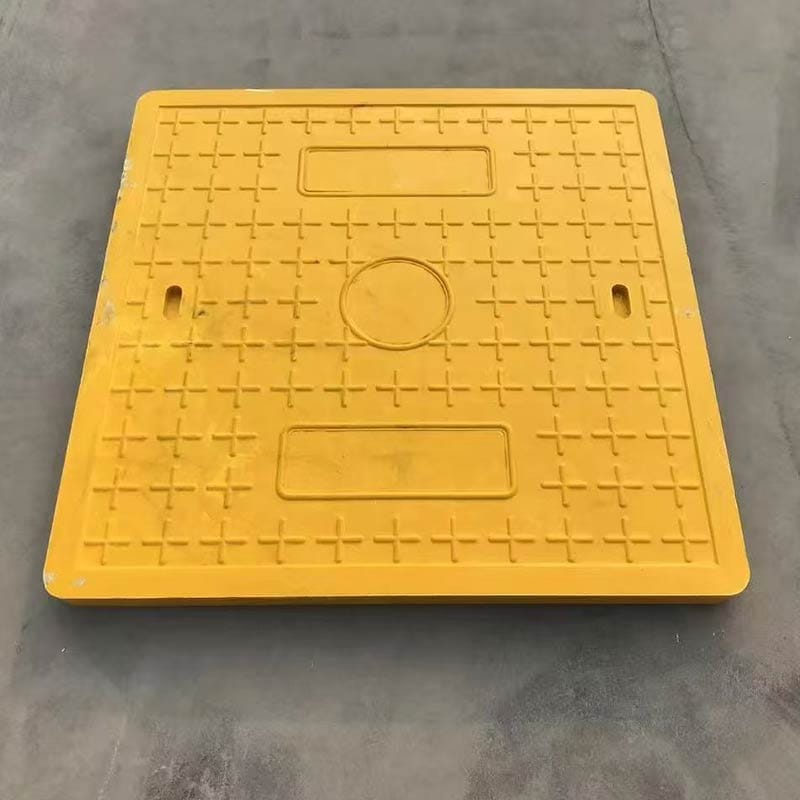
FRP does not rust like iron, but it is not completely unaffected by the environment. Long-term durability depends on whether the resin and surface system are suitable for local exposure.
Ultraviolet Radiation
Continuous sunlight can cause color fading, surface chalking, or gradual resin degradation if adequate UV protection is not provided. This issue is especially important in regions with intense year-round sunlight.
UV-stabilized resin, pigments, and protective surface layers can reduce deterioration. Inspectors should distinguish cosmetic fading from deeper material damage.
Water and Humidity
FRP generally performs well in wet environments because it does not undergo conventional metallic corrosion. Nevertheless, poor-quality laminates, exposed fibers, or existing cracks may allow water to penetrate the structure.
Standing water around the frame can also damage bedding materials and surrounding pavement. Drainage and installation quality therefore affect the whole system, not just the cover.
Chemical Exposure
Sewage gases, fuels, acids, alkalis, de-icing salts, and industrial chemicals can affect resin systems differently. A formulation suitable for municipal drainage may not be appropriate for a chemical-processing facility.
Buyers should provide the chemical name, concentration, operating temperature, and exposure duration when requesting technical confirmation.
Temperature Cycling
Repeated heating and cooling cause materials to expand and contract. If the frame, bedding, and cover respond differently, stresses may develop at contact points.
Extreme heat, freezing conditions, and rapid temperature changes should be included in the product-selection process. Local installation requirements may also specify suitable bedding materials and clearances.
FRP vs Cast Iron vs Concrete Lifespan
Material selection should consider the complete operating environment. No single material offers the longest service life in every application.
| ปัจจัย | FRP Cover | Ductile Iron Cover | Concrete Cover |
|---|---|---|---|
| ความต้านทานการกัดกร่อน | สูง | Depends on coating and environment | No rust, but reinforcement may corrode |
| Typical weight | Relatively light | หนัก | Very heavy |
| Heavy traffic capability | Product and class dependent | Commonly suitable | Design dependent |
| ความต้านทานต่อสารเคมี | High with the correct resin | Variable | Variable |
| Theft risk | Low scrap value | Higher metal theft risk | ต่ํา |
| Impact behavior | Depends on reinforcement | Generally strong | May chip or crack |
| Maintenance need | Usually low | Coating and seating inspections | Crack and edge inspections |
| Expected life | Often 20–30 years | Often 20–30+ years | Often 15–30 years |
These figures are broad estimates. A correctly specified ductile iron cover may outperform an unsuitable composite cover on a heavily trafficked road, while FRP may offer a longer low-maintenance life in coastal or chemically aggressive areas.
For a more detailed material comparison, read the guide to cast manhole covers vs composite covers.
When FRP Is the Better Choice
FRP is often attractive for pedestrian areas, residential developments, utility networks, coastal zones, and locations where low weight or corrosion resistance is important. Its low scrap value can also reduce the risk of theft.
For circular drainage and inspection chambers, a round composite manhole cover can provide a lightweight and corrosion-resistant access solution when its load rating matches the site.
When Ductile Iron May Be Better
Ductile iron is commonly preferred for high-frequency heavy traffic, major roads, ports, and other areas with demanding impact loads. Its long history in road infrastructure also makes specifications and field practices widely understood.
The final choice should be based on application, verified testing, lifecycle cost, and local standards—not material preference alone.
Installation Quality and FRP Manhole Cover Lifespan
Even a well-manufactured cover can fail early if the frame lacks full support. Uneven bedding creates stress concentration, allowing the cover to rock or flex whenever a wheel crosses it.
Installation should follow the supplier’s instructions and applicable project standards. The supporting chamber, frame, bedding, surrounding pavement, and finished level must work as one system.
Frame Support
The frame should be stable, level, and continuously supported. Voids beneath the frame can create movement and concentrate loads at corners or isolated contact points.
Any damaged or weak chamber structure should be repaired before the new cover is installed.
Correct Seating
The cover should sit evenly within its matching frame without excessive clearance. Dirt, stones, asphalt, or hardened debris on the seating surface can cause rocking and noise.
A mismatched cover and frame should not be treated as a complete load-rated assembly unless compatibility has been technically verified.
Finished Surface Level
A cover installed too high may receive direct impact from wheels. A cover installed too low can collect water and create a road hazard.
The finished level should align with the surrounding surface and comply with the project’s installation requirements.
How to Extend FRP Manhole Cover Service Life
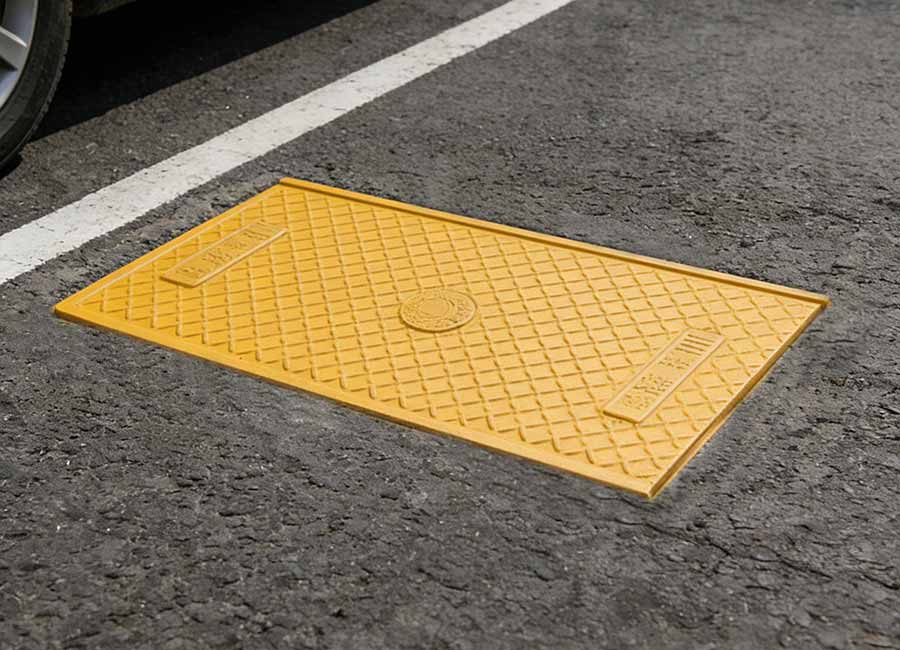
A simple inspection program can identify small problems before they become safety risks. Inspection frequency should reflect traffic intensity, environmental exposure, and the importance of the underground utility.
Keep the Seating Area Clean
Remove sand, stones, asphalt, and other debris from the frame seat during scheduled access. A clean seating surface helps distribute the load and reduces rocking.
Check the Frame and Surrounding Pavement
Cracked pavement, settlement, loose bedding, and frame movement can damage the cover even when the FRP panel is still in good condition. Repairs should address the supporting structure rather than replacing the cover alone.
Avoid Unplanned Overloading
Construction equipment, mobile cranes, and fully loaded trucks may exceed the normal design condition. Temporary traffic changes should be reviewed before heavy vehicles are allowed over installed covers.
Record Inspection Results
Keep records of the installation date, product model, load class, photographs, inspection findings, and repairs. Consistent documentation makes gradual changes easier to detect.
For more installation and maintenance guidance, visit Shengxin’s manhole cover FAQ.
Warning Signs That a Cover Needs Replacement
Age alone should not determine replacement. Condition, structural performance, location, and public safety risk are more important.
Visible Cracks
Fine cosmetic marks may not always affect structural capacity, but deep cracks, fractures across load-bearing areas, or cracks that grow between inspections require immediate assessment.
Exposed Fibers
Visible or loose glass fibers indicate loss of surface protection. Continued wear may allow water, chemicals, and abrasion to affect the internal structure.
Delamination
Delamination occurs when layers within the composite begin to separate. Bulges, hollow sounds, soft areas, or surface lifting may indicate internal damage.
Excessive Deflection
A cover that bends noticeably under normal traffic may have been overloaded, damaged, or incorrectly specified. The area should be secured until a competent person completes an assessment.
Rocking or Noise
Movement and noise often point to debris, an uneven frame, worn contact surfaces, or foundation settlement. Correcting the support problem early can prevent more serious structural damage.
Buyer’s Checklist for a Longer Service Life
Before ordering, ask the supplier for technical evidence related to the actual application.
- What load class is recommended for the installation zone?
- Is the cover tested as a complete cover-and-frame assembly?
- Which standard and test method are used?
- What resin and reinforcement system is applied?
- Is the material suitable for UV, saltwater, sewage, or chemicals?
- Are test reports available for the proposed size and model?
- What installation method and bedding material are required?
- Are locking, sealing, or anti-slip options available?
- Can the supplier customize the size, color, marking, and frame?
- What conditions are excluded from the product warranty?
The general BS EN 124 framework covers design, performance testing, marking, and quality-control principles for manhole and gully tops. Buyers should also confirm the material-specific part, local regulations, and project specification that apply to their order.
คําถามที่พบบ่อย
How many years does an ฝาครอบท่อระบายน้ํา FRP สุดท้าย?
A suitable product may provide approximately 20–30 years of service under normal conditions. Actual life depends on load selection, traffic frequency, resin quality, installation, climate, and maintenance.
Can an FRP cover last longer than cast iron?
It can in corrosive or coastal environments because FRP does not rust in the same way as iron. On high-traffic roads, however, a correctly specified ductile iron cover may offer better long-term performance than an under-specified composite product.
Does sunlight weaken an FRP manhole cover?
Long-term UV exposure may cause fading, chalking, or resin degradation when the product lacks suitable protection. UV-stabilized materials and protective surface systems help reduce this risk.
Can trucks drive over an FRP manhole cover?
Only when the complete cover-and-frame system has an appropriate verified load class for the traffic area. “FRP” describes the material family; it does not automatically mean the cover is suitable for heavy vehicles.
Why did my composite cover crack after only a few years?
Common causes include overload, repeated vehicle impact, poor frame support, manufacturing defects, incorrect load classification, or chemical and temperature exposure beyond the design conditions. Both the damaged cover and its supporting structure should be inspected.
How often should an FRP cover be inspected?
Inspection frequency should be determined by site risk. Busy roads, industrial facilities, and critical utility chambers need more frequent checks than gardens or low-traffic pedestrian areas.
Is a heavier FRP cover always more durable?
No. Weight alone does not prove strength or service life. Fiber orientation, resin quality, structural geometry, manufacturing consistency, and verified load testing are more meaningful indicators.
Should I replace a faded cover?
Color fading alone may be cosmetic. Replacement becomes more urgent when fading is accompanied by exposed fibers, deep erosion, cracking, delamination, excessive movement, or loss of slip resistance.
What information should I send when requesting a quotation?
Provide the clear opening, external dimensions, shape, application, expected vehicles, traffic frequency, required load class, environment, quantity, and applicable standard. Photographs or project drawings can help the supplier recommend a more appropriate solution.