

สารบัญ
Cable trench cover service loads can be governed by equipment that appears only during maintenance. A facility may describe a trench as pedestrian access while a trolley, mobile platform or temporary support is later placed over its panels. The cover's size and material do not answer whether that arrangement is suitable. Before selecting the system, identify the credible loads, where they act and which support conditions remain in place. This guide helps owners build an equipment-aware loading brief and manage temporary uses without inventing a universal panel rating from an overall mass or material label.
Walk the maintenance route with the equipment owner
List the equipment that can approach, cross or stop beside the trench during normal servicing and reasonably anticipated maintenance. Include trolleys, cleaning machines, access equipment and temporary handling devices where relevant. Ask the actual users rather than relying only on the finished site's pedestrian label. Identify whether contractors bring different equipment from the owner's routine team. The loading brief should describe credible use, not every conceivable object and not an unrealistically empty operating area.
Mark routes and stopping positions on a plan. A unit travelling beside a trench may place a wheel on a panel while turning or aligning with a task. A temporary work zone may also redirect equipment from its usual path. Record which movements are permitted and which need control. This gives the designer a located problem and gives the operator a basis for keeping later activities within the accepted arrangement.
Request contact and reaction information for the actual configuration
Obtain the equipment information needed by the responsible designer, including relevant wheel, foot or support reactions and contact geometry where applicable. Total equipment mass alone does not describe how force reaches the cover. Configuration, loading and operating position can change the distribution. Do not divide the total equally among visible wheels or supports without a justified basis from the equipment and engineering assessment.
Keep the source of each value in the brief. Manufacturer data, a competent calculation and a site estimate have different evidential roles. Identify accessories, carried material or operating conditions included in the information. If data are missing, record the gap and resolve it before approving the operation. A cover supplier should not be expected to derive reliable local contact loads from an undimensioned photograph of a mobile machine.
Separate crossing loads from stationary working positions
Describe whether the equipment merely passes over the trench, parks on it or performs work while supported there. The relevant loading and duration can differ, and the designer needs the intended use. Include turning, braking or other actions where the applicable assessment requires them. Avoid inventing a standard multiplier from a general article. The competent reviewer should determine the design cases using the governing project criteria and actual equipment information.
Temporary supports deserve particular attention. A jack, stand or other concentrated support can place its reaction in a small region that the original route description never considered. Do not assume a large-looking panel can accept it anywhere. Identify the proposed location relative to edges, ribs and supports. If the operation cannot be supported by the reviewed cover arrangement, plan another engineered working method rather than relying on the short duration as reassurance.
Connect loads with panel span and bearing
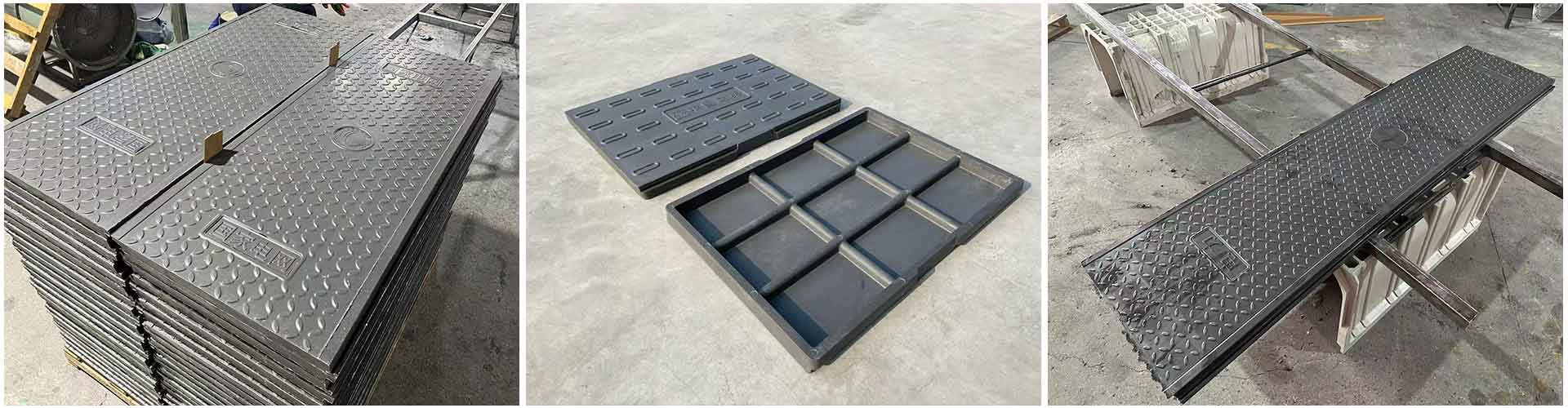
Show panel geometry, clear span, edge supports and any intermediate members on the same drawing as the load positions. The same panel can have a different assessment when its support arrangement changes. A material-strength figure cannot substitute for the complete system review. Request the evidence and limits for the exact proposed cover layout, including permitted orientations and special panels that differ from the repeating schedule.
Inspect the actual supporting channel or structure as part of the project design. Local damage or interrupted ledges can change the installed condition from the assessed arrangement. Do not let a catalogue load description stand in for acceptance of a retained channel. The supplier provides product and interface information; the responsible designers must reconcile it with the site. Keep those responsibilities visible so no party assumes that another has verified the hidden support.
| Service situation | Load information needed | System condition to confirm |
|---|---|---|
| Equipment crosses the trench | Relevant wheel contacts and operating movement | Panel layout and support along the route |
| Machine works while stationary | Configuration-dependent reactions and position | Assessed contact locations and duration basis |
| Temporary jack or stand is proposed | Concentrated reaction and contact geometry | Designed support or load-spreading arrangement |
| Panels are partly removed | Loads present during each maintenance stage | Remaining support dependencies and protected working area |
Check what happens when neighbouring panels are removed
Maintenance can alter the support or accessible area while equipment remains nearby. Identify whether removing a panel, member or restraint affects adjacent units under the approved system. Do not assume that every closed panel retains the same permitted loading during a partial opening. The working arrangement needs its own review where shared supports or other dependencies exist. Show barriers and equipment positions for the stages that matter.
Also consider where removed panels and tools will be stored. Their weight can add to a location already carrying people or equipment. A convenient pile beside the opening is still a load on whatever supports it. Use the approved handling and storage method rather than distributing components informally across adjacent lids. The load brief should cover the temporary maintenance state, not only the neatly closed trench shown on the final architectural plan.
Apply the relevant workplace loading requirement
Oregon OSHA's walking-working surface rules include the requirement for a surface to support its maximum intended load within that framework. Use the rules applicable to the actual jurisdiction and workplace, together with the project's design criteria. The practical lesson for the loading brief is to include the intended equipment and working arrangements rather than describe only a person's weight. Do not treat a regulatory principle as a supplied panel rating.
The responsible reviewer should define the acceptance basis and limits in terms the operator can use. If an operation is outside the reviewed use, establish a permission and assessment route before it occurs. A generic warning to avoid heavy loads gives little help when contractors cannot identify the governing contact condition. Clear documented limits and a process for changed equipment are more useful than an unsupported promise that a material is heavy duty.
อ้างอิงทางเทคนิค: Oregon OSHA walking-working surface loading rules.
Assess load-spreading proposals as designed arrangements
A plate or mat may be proposed to distribute a temporary reaction, but its effect requires its own assessment. Identify its stiffness, support, contact and route for transferring load to suitable construction. Do not assume that placing a large sheet over several panels makes every point load acceptable. A spreader can bridge or concentrate contact in ways that are not apparent from its plan dimensions alone.
If a temporary arrangement is approved, record exactly what it includes and where it may be used. The equipment operator needs the correct components and placement instructions. An improvised alternative should not inherit the approval simply because it covers a similar area. Keep the temporary system's inspection and restoration requirements with the work package, including how the trench is checked after the operation if the assessment calls for that verification.
Compare supplier proposals against the same load schedule
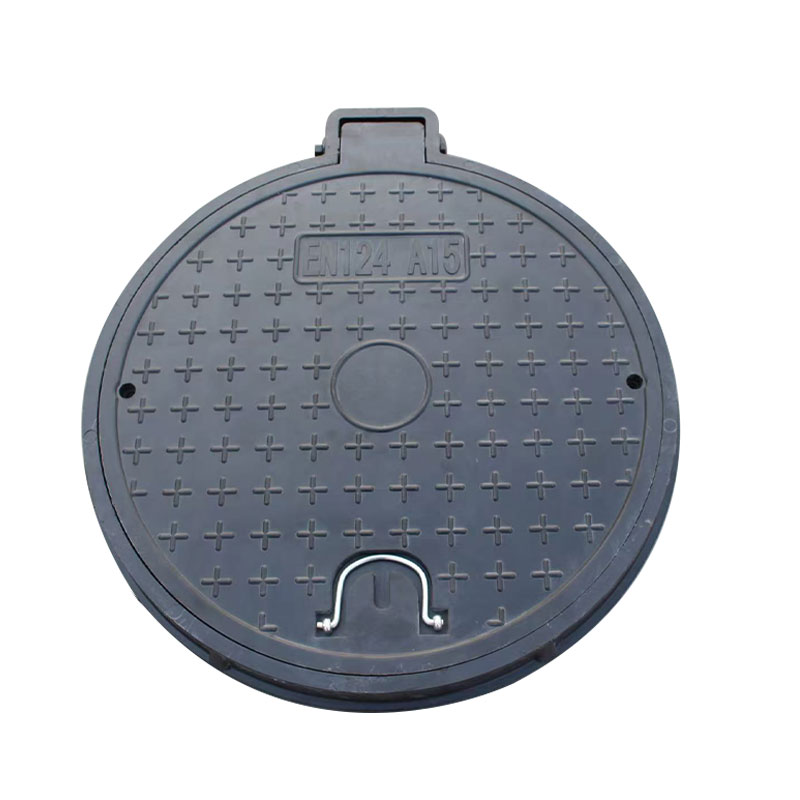
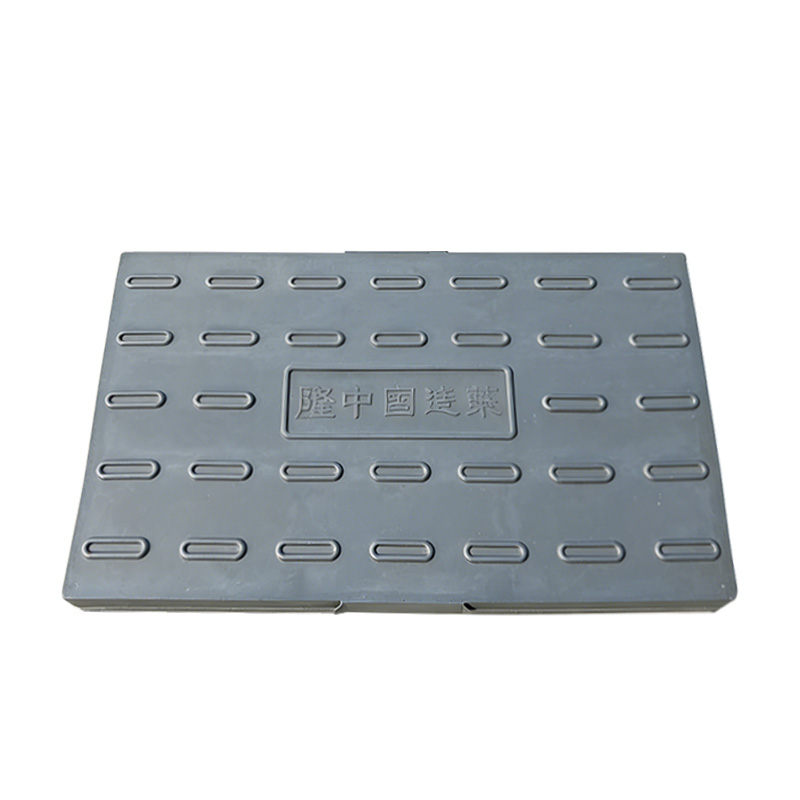
Send each supplier the located load cases, contact information, support drawing and required operating conditions. Ask for a response linked to the exact panel and layout rather than an unqualified capacity number. Shengxin's cable trench cover plate page is a relevant starting point for discussing available configurations. Confirm the offered model, support requirements and applicable evidence for the project. Custom dimensions do not automatically establish arbitrary span or load suitability.
Separate unresolved cases in the comparison. One offer may address routine crossing while another includes a reviewed stationary equipment condition. Those are different scopes, not directly comparable ratings. Ask the responsible technical reviewer to assess the evidence and identify gaps. Procurement can then select on a clear basis without inventing equivalence between a test load, a material property and a permitted in-service equipment arrangement.
Handover a loading plan that can survive equipment changes
Link the accepted load schedule and panel layout to the asset. Identify permitted routes, temporary arrangements and the process for a new machine or contractor operation. Keep replacement-panel references and support requirements available to maintenance. A later panel substitution may affect the accepted basis even when it looks similar from above. The owner needs a controlled way to recognize and review those changes before the next operation.
Record observed damage or unexpected movement and follow the appropriate assessment process. Do not keep using a questionable panel solely because the equipment has crossed it before. Past use is an observation, not a verified rating. A sound service-load brief gives both supplier and operator a shared account of the real loads, support conditions and limits. It makes temporary maintenance equipment part of the original engineering question instead of an overlooked exception discovered at the trench edge.
หารือเกี่ยวกับข้อกําหนดของโครงการ
Send Shengxin a located schedule of equipment contacts and temporary maintenance loads with the trench support section. Request a configuration-specific proposal and supporting evidence so your designer can review the actual service cases before selecting panels.
ข้อมูลผลิตภัณฑ์ที่เกี่ยวข้อง: แผ่นปิดร่องสายเคเบิลเซิงซิน. แบ่งปันเอกสารโครงการที่เกี่ยวข้องผ่านทางเรา หน้าติดต่อ.
คําถามของโครงการ
Is total machine mass enough to select a trench cover?
No. The responsible designer needs the relevant contact and reaction information, configuration and located operating cases.
Can pedestrian-designated panels support a maintenance trolley automatically?
Do not assume that. Include the actual trolley and route in the reviewed loading brief or obtain an appropriate assessment before use.
Does short-duration use make a concentrated load acceptable?
No. Temporary equipment still needs a suitable support assessment. Duration alone does not establish panel capacity.
Can a steel sheet always spread the load safely?
No. Its stiffness, contact and load path need a designed basis. Plan dimensions alone do not prove the effect.
When should the loading plan be reviewed?
Review changes to equipment, operating configuration, routes, panels, supports or temporary maintenance arrangements that affect the accepted cases.