

Table of Contents
Manhole cover test reports can look persuasive while describing a specimen different from the assembly being purchased. The report may concern a material sample, another opening size or a lid tested with a frame and support not included in the quotation. A buyer needs to establish the relationship before accepting a performance claim. This guide offers a report-reading workflow that begins with the required property, follows the specimen through its drawing and configuration and ends with the shipment actually received. It helps technical and procurement teams distinguish valid supporting evidence from a document whose relevance remains unverified.
Write the acceptance question above the report list
State which requirement the report is expected to support: material properties, complete-assembly loading, sealing or another specified function. Identify the applicable criteria and who is responsible for technical acceptance. Without that question, a large certificate pack can create an impression of completeness even when no document addresses the required function. Procurement should be able to see the purpose of each submission without being expected to interpret every test method independently.
Keep the order's wording precise. A request for certified quality is too broad to define the specimen or result needed. List the required evidence in the technical schedule and distinguish mandatory acceptance from information supplied for context. The responsible reviewer can then evaluate each report against the same basis. Do not allow an available favourable result to redefine the requirement merely because obtaining different evidence would delay the order.
Identify what was actually tested
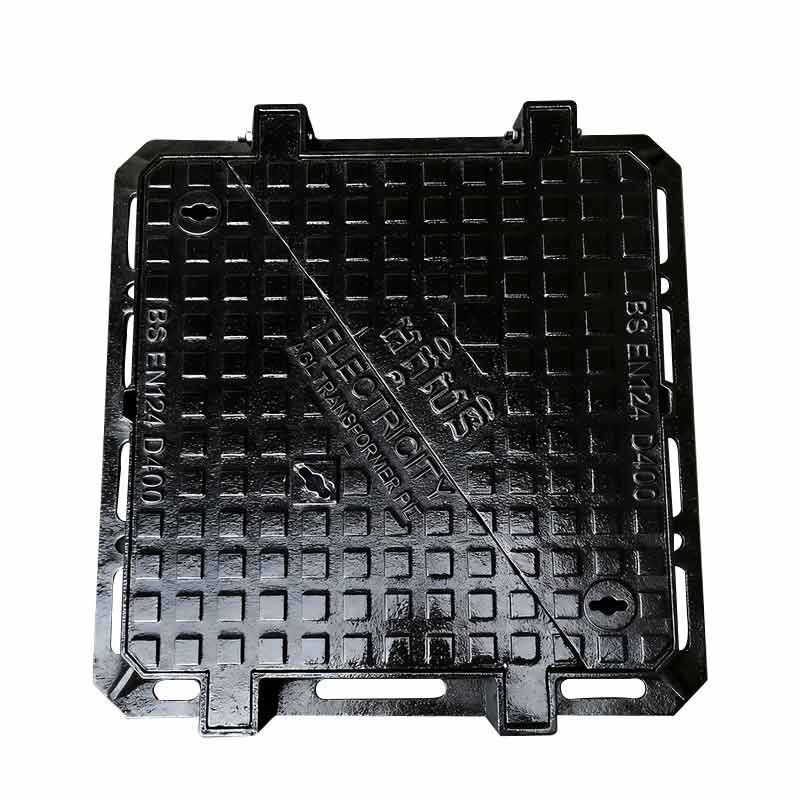
Read the specimen description before the result. Determine whether the test concerns a coupon, a casting, a lid-frame pair or a larger installed arrangement. Record model, dimensions, material description and specimen identification. Photographs and drawings within the report may help, but they need to be linked clearly to the tested item. A familiar top pattern is not sufficient to establish identity if the report omits the configuration that controls performance.
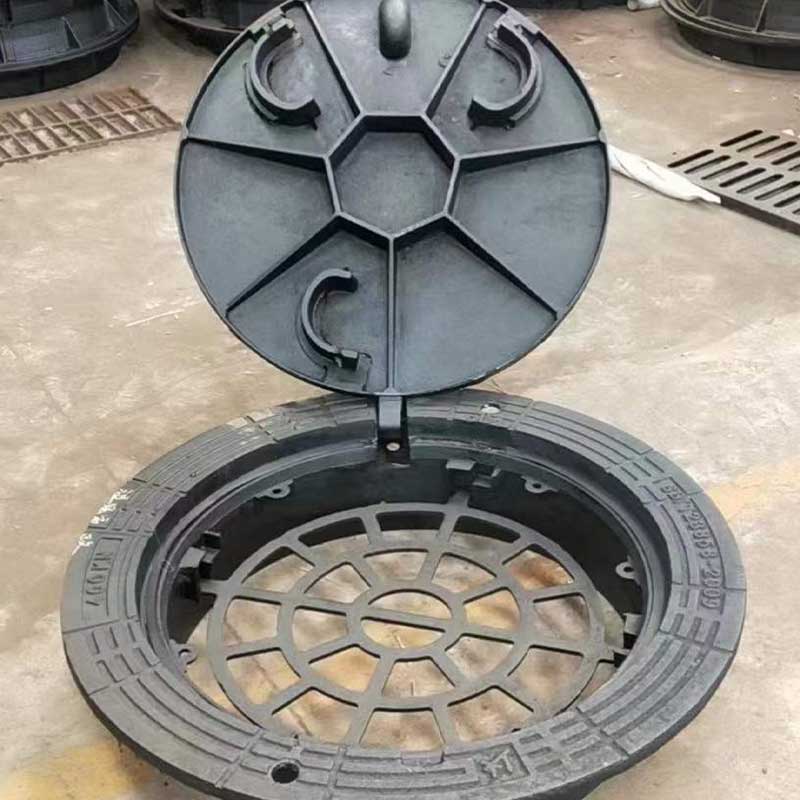
Check whether the report includes the production finish, inserts, locks, hinges and other relevant accessories. A specimen tested without an accessory may answer a narrower question than the offered product claim. That does not automatically invalidate the report, but it requires a relevance explanation. The reviewer should know which differences are permitted under the governing framework and which need further assessment. Do not assume every visually similar variant is covered.
Separate material testing from assembly performance
ASTM A536's public scope identifies it as a ductile-iron casting specification and describes limits on relating test-specimen properties to every location of a casting. That is a useful reminder to keep material evidence within its actual role. A material result can support the relevant material requirement when properly linked, but does not alone establish the performance of a lid and frame under an assembly test or the suitability of its installed support.
Create separate rows for material and complete-assembly requirements in the review schedule. Add other functions only when the project requires them, with their own supporting evidence. Do not write one undifferentiated pass status for every property because one material certificate is authentic. Likewise, a successful assembly test does not make unrelated chemical, fire or sealing claims verified. The report-reading discipline is to match each conclusion to the property and configuration actually assessed.
Technical reference: ASTM A536 material-specification scope and specimen limitations.
Check the method, edition and reported result
Confirm the test method and edition, the acceptance criteria used and whether the report gives an actual result or only a general statement. Read observations, deviations and qualifications. A document headed with a standard number may describe only part of a method or an agreed departure. Ask the reviewer to determine the effect of any difference on the claimed requirement. Preserve the report's wording rather than converting it into a broader class or approval statement.
If a classification is claimed, establish the scheme and basis by which it was assigned. Do not infer a rating from a single displayed force or another isolated measurement without the full applicable procedure. A test result and a manufacturer's declared classification may be related, but they are not identical documents. The technical record should explain the link. This makes the buyer's acceptance more transparent and helps prevent an unsupported rating being repeated in later asset records.
| Review layer | Question | Record connecting the answer |
|---|---|---|
| Required property | What does the project need demonstrated? | Technical acceptance schedule |
| Test specimen | Which material or assembly was examined? | Complete report and referenced drawing |
| Offered configuration | How does the proposal relate to that specimen? | Supplier comparison and reviewer decision |
| Delivered items | Did the accepted model and parts arrive? | Receiving identification and delivery reconciliation |
Compare the tested support and offered installation
For assembly testing, inspect how the specimen was supported and restrained, using the details available in the report and its referenced method. Compare those conditions with the proposed product and installation. The responsible reviewer should determine applicability; the buyer should not assume that a lid tested in one arrangement can be used on an arbitrary retained frame. Seat profile and opening geometry matter alongside material identity.
Keep field support suitability as a separate project responsibility. Even relevant product test evidence does not inspect the existing chamber, bedding or pavement beneath the purchased assembly. Request the model's installation interface and coordinate it with the civil design. If the project cannot reproduce the required support, resolve that issue before ordering rather than using the test report as reassurance that any site arrangement will work.
Verify the issuing record and document integrity
Read the laboratory or issuing body's identity, report number, date, specimen references and sign-off. Where authenticity or scope needs confirmation, use an appropriate official contact or verification route. Keep the complete document rather than a cropped image that removes limitations or identification. A genuine report can still be irrelevant to the offered model, while a relevant-looking summary may need verification. Treat authenticity and applicability as separate review questions.
Record the controlled version reviewed and retain revisions or clarifications. If a supplier replaces a report during the process, identify why and which acceptance question it resolves. Do not discard the earlier discrepancy from the file. The aim is a traceable technical decision, not merely the appearance of a clean submission folder. Commercially sensitive details can be managed through controlled access without removing the information needed by the responsible reviewer.
Bridge the report specimen to the proposed production model
Ask the supplier for a model and drawing comparison identifying the relationship between the tested specimen and the offered assembly. Include revision history relevant to geometry, material or accessories. A test date preceding a design change needs an explanation of continued applicability or further evidence. Do not assume that a later model name proves the product is unchanged. The reviewer should decide whether the submitted comparison adequately supports the claim under the applicable framework.
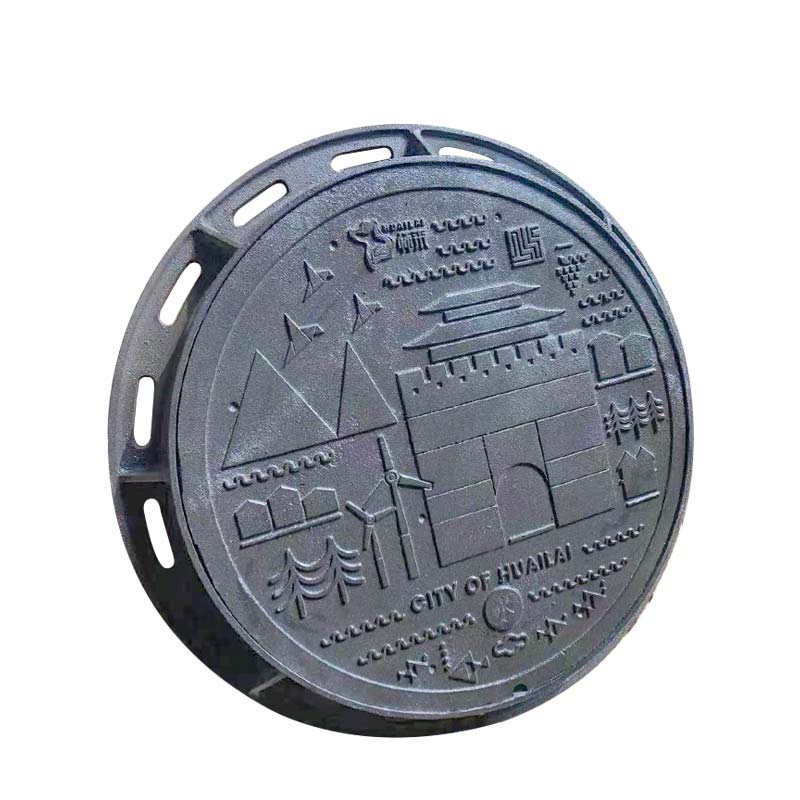
Shengxin's round cast iron manhole cover range provides a relevant starting point for requesting a specific proposal. Supply the required property and assembly details with the enquiry, and ask which reports support that exact configuration. Website photographs can help identify a range but are not a substitute for the specimen-to-model link. If a loose replacement lid is proposed for an existing frame, make that retained interface explicit in the review.
Match the accepted proposal to the delivered shipment
At receiving, reconcile model identification, dimensions and relevant component references with the approved submission. Check the lid, frame and accessories as a complete offered set. Link production identifiers to the agreed delivery documents where required. A technically accepted report remains only supporting evidence for the items it can be connected to. The receiving team should have a clear way to identify an unreviewed substitute or a mixed component set.
Record discrepancies and hold the affected items for disposition rather than applying the approved report automatically. A substitute may be acceptable after proper review, but the decision must be made on the actual change. Keep delivery acceptance separate from installation acceptance. The report does not prove that the contractor set the frame correctly or that later surrounding work preserved its operation. Those verification layers should remain visible through handover.
Deliver a conclusion with its limits intact
Summarize which requirement each accepted report supports, the offered assembly to which it applies and any conditions or remaining open points. The summary should help the owner understand the basis without overstating it. Avoid an unqualified statement that the cover is fully certified when the reviewed evidence addresses only specified functions. A precise acceptance note is more useful to future purchasers and investigators than a broad adjective.
Retain the reports, comparison drawing, technical decisions and shipment references with the asset or procurement record. When a later replacement changes the model or component pairing, revisit the affected links. The effort invested in reviewing the original report pays off when the owner can recover why a particular assembly was accepted. It also helps distinguish a valid limited result from a marketing claim that grew beyond the specimen, method and conditions actually tested.
Discuss the project requirements
Send Shengxin the exact acceptance requirements and proposed opening arrangement. Request reports and a drawing comparison for the offered lid-frame configuration, then reconcile the accepted model with the shipment before release for installation.
Related product information: Shengxin round cast iron manhole cover range. Share the applicable project documents through our contact page.
Project questions
Is an authentic report enough to accept a cover?
No. Authenticity and applicability are separate. Confirm that it addresses the required property and relates to the actual offered and delivered configuration.
Can a material report prove complete-assembly load performance?
Not by itself. Match material and assembly requirements to their own relevant evidence and keep their conclusions separate.
What if the tested and ordered opening sizes differ?
Ask for a documented applicability explanation under the governing framework and obtain the responsible technical review. Do not assume similarity is sufficient.
Should report limitations remain in the procurement file?
Yes. Keep the complete document and controlled clarifications so future reviewers can understand the accepted scope and conditions.
Does a product test report verify installation?
No. Field support, finished levels and operation require their own installation evidence, even when the product report is relevant and accepted.