

Table of Contents
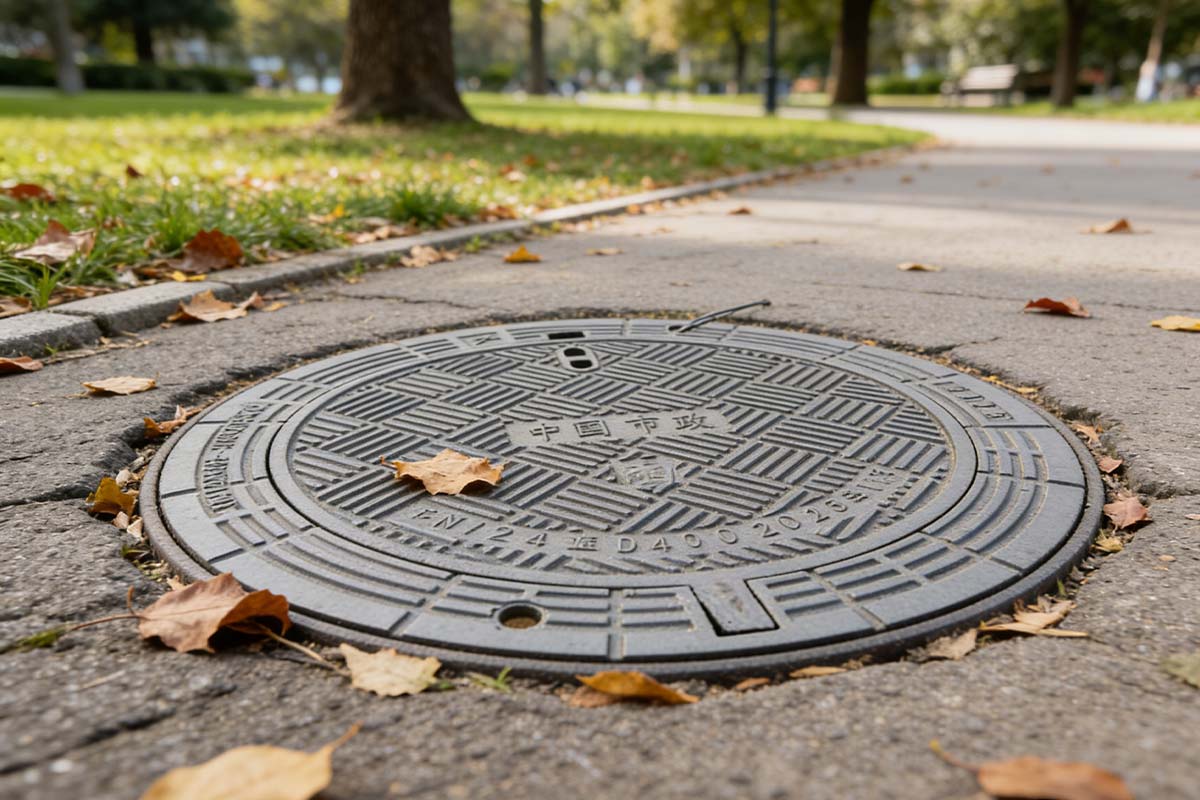
Manhole frame bedding voids are a hidden-work problem. The top of a new frame can look correctly finished while part of its intended support is absent beneath the bearing flange. Once surfacing closes the interface, a photograph of the completed road provides little evidence of what carries the frame. Acceptance should therefore focus on the approved load path and the opportunities to inspect it before concealment. This guide explains what owners can establish from site observations, where intrusive investigation needs a defined method and how to prevent an attractive final finish from replacing evidence of the bedding actually installed.
Start with the support detail that the frame requires
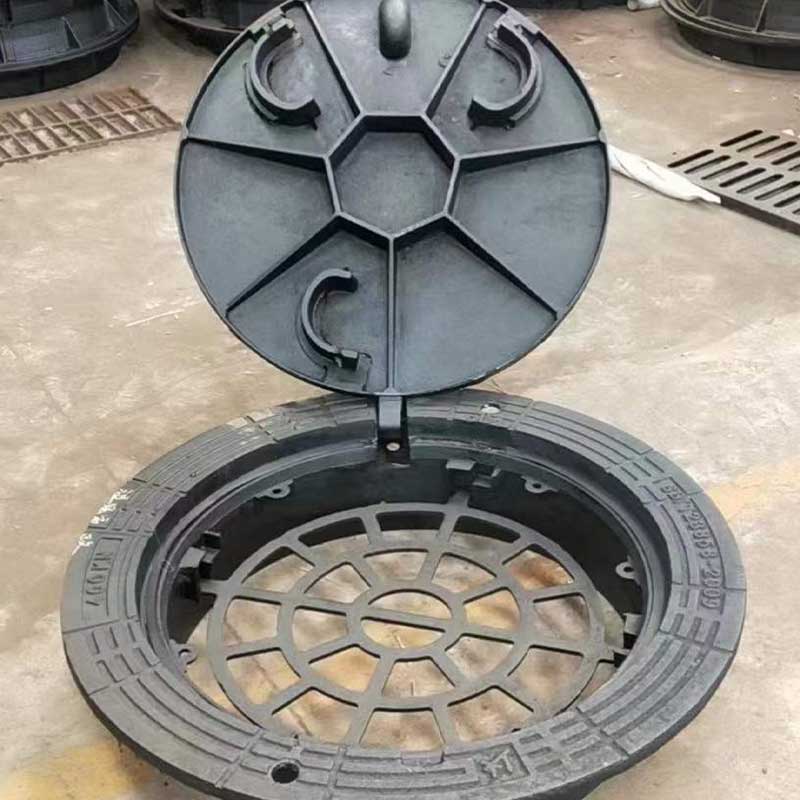
Obtain the exact installation section and identify the surfaces intended to support the frame. Show the bearing flange, bedding, chamber top and surrounding construction. Some assemblies transfer load through a different arrangement from a conventional frame seated on a chamber neck. The inspector must know which detail applies before calling an apparent gap a void or assuming that a broad rim is continuously supported. Confirm the model and drawing revision with the responsible designer and supplier.
Identify who designed the support and which installation specification governs it. The casting manufacturer may provide interface requirements without taking responsibility for the existing chamber structure. Keep that division explicit. A procurement description saying install on suitable bedding does not define a checkable arrangement. The work package needs enough information for the installer to construct the intended interface and for the inspector to recognize a departure before the frame is surrounded.
Distinguish an exposed gap from a proven internal void
A visible separation at an accessible edge is an observation that warrants review. It does not automatically map the condition beneath the entire flange. Conversely, a neatly pointed outer edge does not prove that the space behind it is filled. Describe the location, accessible extent and relation to the intended bearing surface. Use photographs with context and a scale rather than a single close-up that leaves the reviewer unsure which part of the frame is being shown.
Record what remains hidden. Avoid declaring the bedding complete from a top view or an informal sound assessment without a validated basis. If the owner needs further examination, define a method with the responsible engineer and competent contractor. The method should address access, temporary support and protection of the asset. Investigation is a planned operation, not a reason for workers to probe blindly beneath a loaded or unstable frame.
Read movement evidence without assigning cause too early
Look for separation at the rim, fresh cracks, changes in relative level and evidence that the frame moves within its surround. Locate observations relative to wheel paths and previous repairs. Those signs may help choose where to investigate, but they do not establish that bedding voids are the only cause. Chamber deterioration, pavement movement and a lid seating problem can coexist. Keep the investigation broad enough to distinguish the interfaces while preserving a clear question about support.
Compare measurements over time where reliable records exist. A frame that has moved since installation presents a different evidence picture from a stable frame with an undocumented concealed interface. Do not equate the absence of an immediate complaint with proof of complete bedding. Acceptance of hidden work needs construction evidence, while later condition assessment may need additional inspection. The record should state which type of conclusion the available observations can support.
Examine the prepared support before material is placed
Where work has not yet been concealed, inspect the prepared chamber top or other approved bearing area. Check it against the design detail for geometry, condition and readiness. Record damaged or loose supporting construction and obtain a disposition before placing the frame. The important question is whether the bedding will transfer load to an appropriate supporting structure, not whether the exposed surface can be made to look smooth in a photograph.
NYC DEP's sewer and water specifications provide an official example of addressing supporting construction within frame-and-cover replacement work. Apply the actual owner's specification and approved installation detail to the project. If the exposed condition differs from the design assumption, pause that part of the work for review. Filling around a damaged support without resolving its suitability can conceal the problem and make later attribution more difficult.
Technical reference: NYC DEP specifications for supporting frame-and-cover work.
| Evidence stage | What it can show | What it cannot prove alone |
|---|---|---|
| Prepared support exposed | Condition and geometry before bedding | Completeness of later placement |
| Placement inspection | Visible construction at the agreed hold point | Unobserved areas outside the method |
| Finished outer edge | Appearance of the accessible perimeter | Continuous hidden support |
| Final operating check | Lid and hardware operation at completion | Bedding condition beneath the frame |
Observe placement while the critical interface is still visible
The installation plan should create an inspection opportunity at the stage when the intended bedding arrangement can be checked. Identify what must be seen, which photographs are required and who can release the next operation. The inspector should understand the placing method and the areas at risk of incomplete support. Do not prescribe a universal material thickness or placing technique from a generic casting article; use the specified product and project method.
Record the actual materials and relevant placing conditions under the agreed quality process. Temporary positioning devices, spacers or other aids should be shown in the approved method, including their intended final condition. An undocumented support point can leave the frame bearing locally while the surrounding bedding appears complete. Ask how the method avoids that outcome and what inspection demonstrates that the intended load-transfer arrangement was achieved before access is lost.
Do not mistake cosmetic pointing for a structural repair
Applying material to a visible perimeter gap can improve appearance without restoring the hidden interface. A repair proposal needs to explain how the defect will be accessed, how support will be restored and how the result will be checked. Surface pointing alone should not be accepted as proof that a concealed void has been eliminated. The relevant question is whether the approved repair reaches and reconstructs the required support, not whether the exposed edge becomes continuous.
Similarly, injection or another concealed repair technique is not automatically suitable for every frame and bedding system. The responsible designer must define its applicability, material compatibility, method and verification. Avoid turning a general product claim about filling voids into an approved repair instruction. If the condition cannot be verified adequately, the owner may need a different repair boundary. State that limitation rather than reporting success from material consumption or a smooth outer finish alone.
Choose the repair boundary from the failed interface
List the elements to be retained, removed, reconstructed or replaced. If the frame is sound but support is incomplete, the disposition may differ from one involving a distorted frame or damaged chamber top. Evaluate whether the existing casting can be reset within an approved method. Do not assume that replacing only the lid addresses a support defect below the frame. The repair proposal should explain how it corrects the condition established by the investigation.
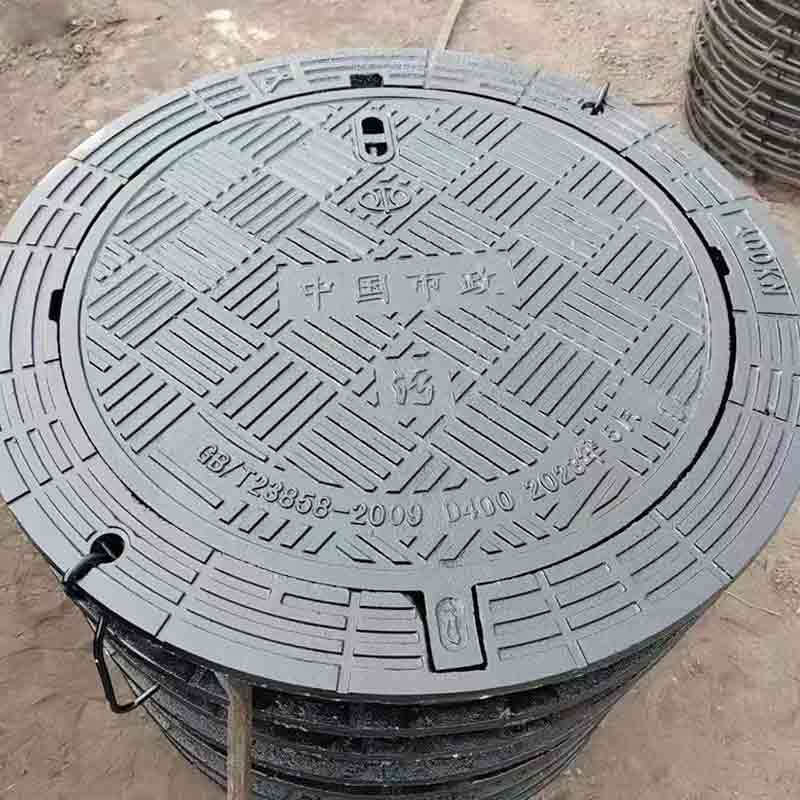
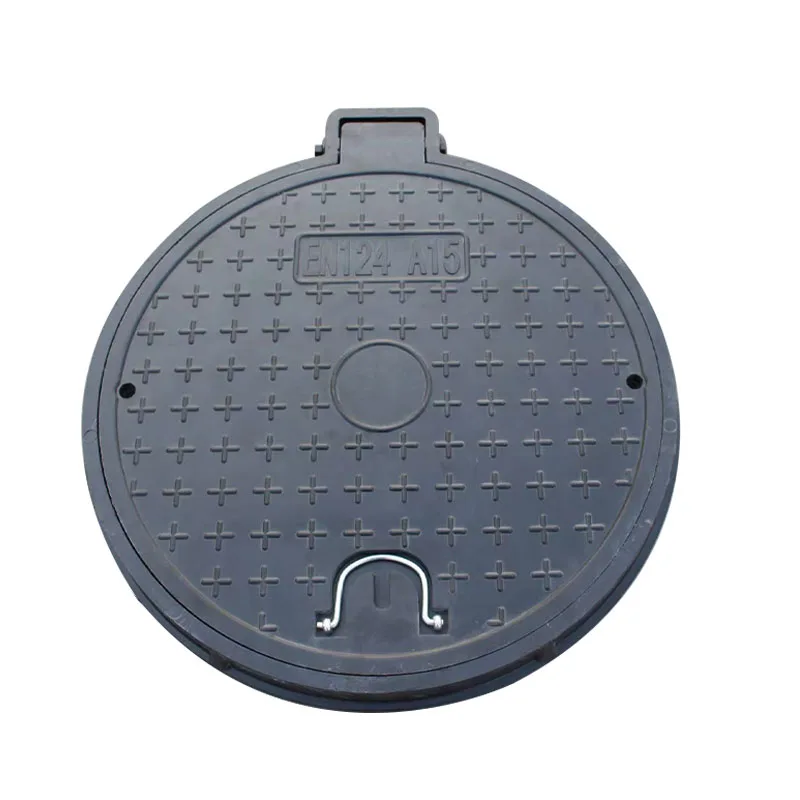
For a replacement discussion, provide Shengxin with the support section and condition evidence as well as the opening dimensions. Its round cast iron manhole cover range is a relevant product starting point, while the actual model and support requirements need confirmation. Ask for the frame's bearing geometry and installation interface. The casting selection and civil repair should be coordinated so neither party assumes that the other has resolved the hidden support problem.
Separate return-to-service conditions from appearance checks
Identify the requirements governing loading and reopening from the approved installation materials and method. Do not invent a generic curing time or assume that a hard-looking exposed surface establishes readiness beneath the frame. Record who confirms the relevant conditions and when they are satisfied. This is especially important where traffic management creates pressure to reopen before the installation record is complete.
Before release, check the frame level, lid operation and surrounding construction against the approved work. These checks complement the hidden-work evidence; they do not replace it. A lid that closes quietly at completion may still sit in a frame whose bedding was never verified. The acceptance package should distinguish documented support inspections, finished-level checks and operating checks so each conclusion remains tied to the evidence actually obtained.
Retain a record that can explain later movement
Keep the original condition, exposed support photographs, materials record, inspection releases and final measurements under the asset reference. Include departures and their approved dispositions. Photographs should be labelled by stage and location so an investigator can distinguish preparation from completed placement. A folder of undated close-ups is much less useful than a small set showing the intended interface and when it was inspected.
If later settlement or cracking occurs, compare the new observations with that baseline before selecting another repair. The evidence may point to the original support, a new surrounding movement or a different component problem. A well-documented installation does not guarantee that the asset can never move, but it makes the next decision more informed. That is the practical benefit of inspecting bedding before concealment rather than relying on the final road surface to speak for hidden construction.
Discuss the project requirements
Send Shengxin the frame dimensions and approved support section when discussing a replacement. Request the exact bearing detail, and coordinate the casting proposal with the engineer's bedding investigation or repair method before placing the order.
Related product information: Shengxin round cast iron manhole cover range. Share the applicable project documents through our contact page.
Project questions
Does a continuous outer mortar edge prove complete bedding?
No. It shows the accessible perimeter condition. The concealed support needs evidence from the approved installation or investigation method.
Can every bedding void be repaired by pointing the edge?
No. The repair must address the actual hidden interface and include an adequate verification method. Cosmetic filling alone does not establish restored support.
Should the lid be replaced when bedding is defective?
Replacing the lid does not reconstruct support beneath the frame. Define the repair boundary from the diagnosed condition and the suitability of the retained components.
When is the best time to inspect bedding?
Use planned hold points while the critical supporting surfaces and placement can still be examined, before later construction conceals them.
What should the acceptance record distinguish?
Keep support inspection, material and release conditions, final levels and operating checks separately identifiable. Each addresses a different part of the completed installation.