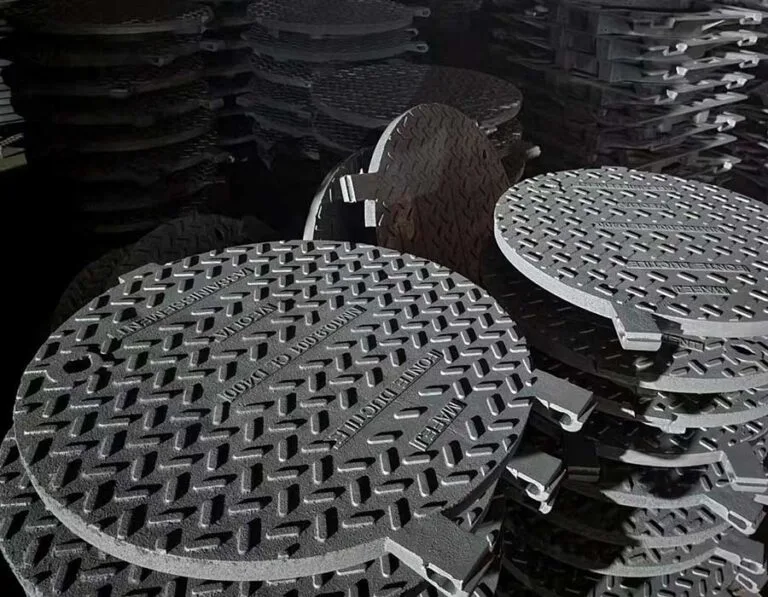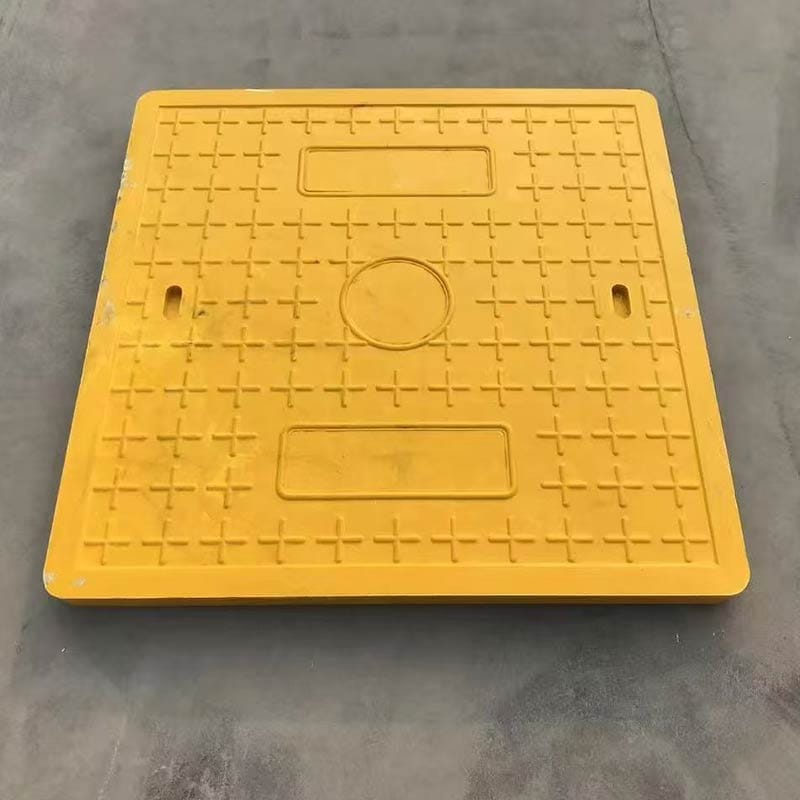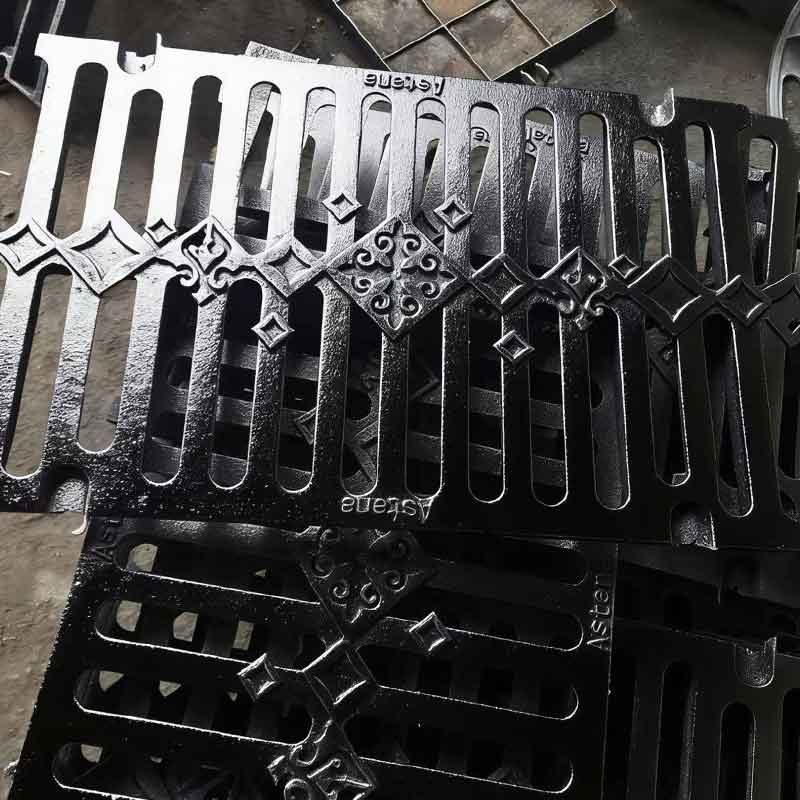


ยินดีต้อนรับสู่บล็อกของเรา เราเป็นผู้ผลิตมืออาชีพของเหล็กดัดและคอมโพสิตเรซินท่อระบายน้ําครอบคลุมจัดหาผลิตภัณฑ์โครงสร้างพื้นฐานสําหรับโครงการเทศบาลและอุตสาหกรรมทั่วโลก.
- 👉 ติดตามเราบนเฟสบุ๊ค สําหรับการอัปเดตผลิตภัณฑ์ล่าสุด ข่าวอุตสาหกรรม และกรณีโครงการ.
- 👉หากคุณมีความต้องการของโครงการใด ๆ หรือต้องการใบเสนอราคาโปรดอย่าลังเลที่จะ ติดต่อทีมงานของเรา โดยตรงสําหรับการสนับสนุนที่รวดเร็วและโซลูชั่นที่กําหนดเอง.
โปรดอ่านบล็อกของเราต่อไปเพื่อดูข้อมูลเชิงลึกเกี่ยวกับอุตสาหกรรมและข้อมูลผลิตภัณฑ์เพิ่มเติม
สารบัญ
ประเด็นสําคัญ
- บทบาททางวิศวกรรมของฝาปิดท่อระบายน้ําทรงกลมในระบบโครงสร้างพื้นฐานสมัยใหม่
- การเปรียบเทียบทางเทคนิคเชิงลึกระหว่างเหล็กหล่อและวัสดุคอมโพสิต
- คลาสโหลด (EN 124) และมาตรฐานประสิทธิภาพทางวิศวกรรมที่แท้จริง
- ข้อควรพิจารณาด้านต้นทุน ความปลอดภัย และการบํารุงรักษาตลอดอายุการใช้งาน
- การกัดกร่อน การโจรกรรม และการวิเคราะห์ผลกระทบต่อสิ่งแวดล้อม
- กรณีศึกษาทางวิศวกรรมเทศบาลที่แท้จริงและสถานการณ์ความล้มเหลว
- แนวโน้มโครงสร้างพื้นฐานอัจฉริยะและวิวัฒนาการของวัสดุในอนาคต
- กรอบการคัดเลือกภาคปฏิบัติสําหรับทีมจัดซื้อและวิศวกรรม
บทนํา
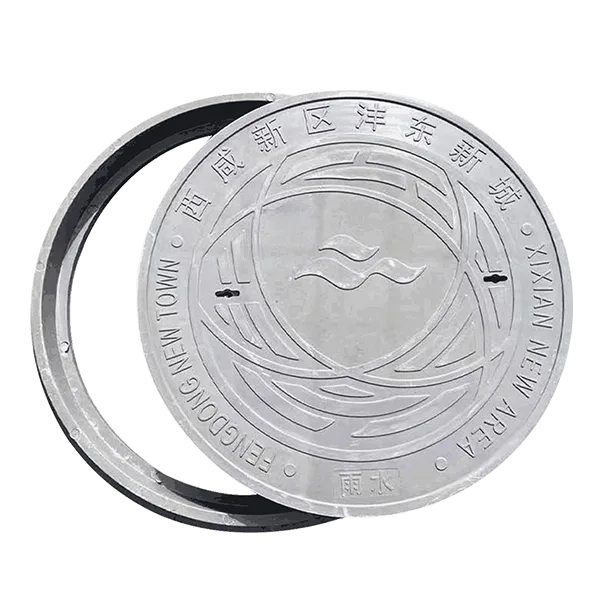
โครงสร้างพื้นฐานในเมืองถูกสร้างขึ้นบนระบบที่มองไม่เห็นส่วนใหญ่การระบายน้ําใต้ดิน, เครือข่ายไฟฟ้า, ท่อโทรคมนาคม, ท่อส่งน้ําประปา ในระดับพื้นผิว, การ ฝาปิดท่อระบายน้ําแบบกลม เป็นส่วนต่อประสานป้องกันที่มองเห็นได้เพียงจุดเดียวระหว่างคนเดินถนน ยานพาหนะ และระบบใต้ดินที่ซับซ้อนเหล่านี้.
ฝาปิดท่อระบายน้ําทรงกลมไม่ได้เป็นเพียงฝาปิดเท่านั้น มันเป็นส่วนประกอบความปลอดภัยของโครงสร้างที่รับน้ําหนักซึ่งได้รับการออกแบบทางวิศวกรรมให้ทนทานต่อการรับน้ําหนักการจราจรแบบไดนามิกความเครียดจากสิ่งแวดล้อมและวงจรความเมื่อยล้าในระยะยาว ในหลายเมืองฝาครอบเดียวอาจประสบ รอบการบรรทุกยานพาหนะหลายพันรอบต่อวัน, ได้แก่ รถยนต์นั่ง รถโดยสาร และรถบรรทุกหนักเกิน 40 ตัน.
ตามรายงานโครงสร้างพื้นฐานของเทศบาลทั่วโลกมากกว่า 30% ของปัญหาการบํารุงรักษาถนนในเมือง มีการเชื่อมโยงกับระบบฝาปิดท่อระบายน้ําที่ผิดพลาดหรือเลือกไม่ดี ทําให้การเลือกใช้วัสดุไม่ใช่การกําหนดลักษณะแต่เป็นการตัดสินใจด้านความปลอดภัยและต้นทุนในระยะยาว.
ปัจจุบัน วัสดุที่โดดเด่นสองประเภท ได้แก่ วัสดุเหล็กและคอมโพสิต กําหนดการแลกเปลี่ยนทางวิศวกรรมในด้านความแข็งแรง ความทนทาน น้ําหนัก และประสิทธิภาพของวงจรชีวิต.
ประเด็นสําคัญ
- โครงสร้างทางวิศวกรรมและหน้าที่ของระบบฝาปิดท่อระบายน้ําแบบกลม
- ความแตกต่างของพฤติกรรมทางกลและทางเคมีระหว่างเหล็กหล่อและวัสดุคอมโพสิต
- ระบบการจําแนกโหลด EN 124 และการตีความในโลกแห่งความเป็นจริง
- กลไกความล้มเหลวในระบบโครงสร้างพื้นฐานในเมือง
- การวิเคราะห์วงจรชีวิตต้นทุนและประสิทธิภาพ (CAPEX เทียบกับ OPEX)
- กรณีศึกษาอุตสาหกรรมจากยุโรป เอเชีย และอเมริกาเหนือ
- การบูรณาการเมืองอัจฉริยะและแนวโน้มนวัตกรรมวัสดุในอนาคต
ความหมายทางวิศวกรรมของ ฝาครอบท่อระบายน้ํากลม ระบบ
หน้าที่โครงสร้างในโครงสร้างพื้นฐานในเมือง
ฝาปิดท่อระบายน้ําแบบกลมทําหน้าที่หลักทางวิศวกรรมสี่ประการ:
- การถ่ายโอนโหลดจากการจราจรบนพื้นผิวไปยังผนังห้องใต้ดิน
- การป้องกันการเข้ามาโดยไม่ได้ตั้งใจและอันตรายด้านความปลอดภัย
- การปิดผนึกสิ่งแวดล้อมกับน้ํา เศษซาก และการรั่วไหลของก๊าซ
- จุดเชื่อมต่อสําหรับการดําเนินการตรวจสอบและบํารุงรักษา
ในการวางผังเมืองสมัยใหม่ระบบเหล่านี้ได้รับการออกแบบให้เป็นส่วนหนึ่งของเครือข่ายการกระจายสินค้า “”,” ที่กว้างขึ้นซึ่งแต่ละฝาครอบจะต้องสอดคล้องกับระดับถนนและความหนาแน่นของการจราจรที่คาดหวัง.
เหตุใดเรขาคณิตทรงกลมจึงมีโครงสร้างที่เหมาะสมที่สุด
รูปร่างกลมไม่ได้ตามอําเภอใจมันเป็นการเพิ่มประสิทธิภาพทางกล:
- ไม่มีจุดอ่อนในการวางแนวภายใต้การหมุนโหลด
- การกระจายความเค้นสม่ําเสมอตามเส้นรอบวง
- ไม่มีความเสี่ยงที่จะตกลงไปในช่องเปิดของห้อง
- การติดตั้งและบํารุงรักษาแบบหมุนได้ง่ายขึ้น
เรขาคณิตนี้ยังคงเป็นมาตรฐานสากลในด้านวิศวกรรมโครงสร้างพื้นฐาน.
เหล็กหล่อรอบฝาปิดท่อระบาย: วิศวกรรมดําน้ําลึก
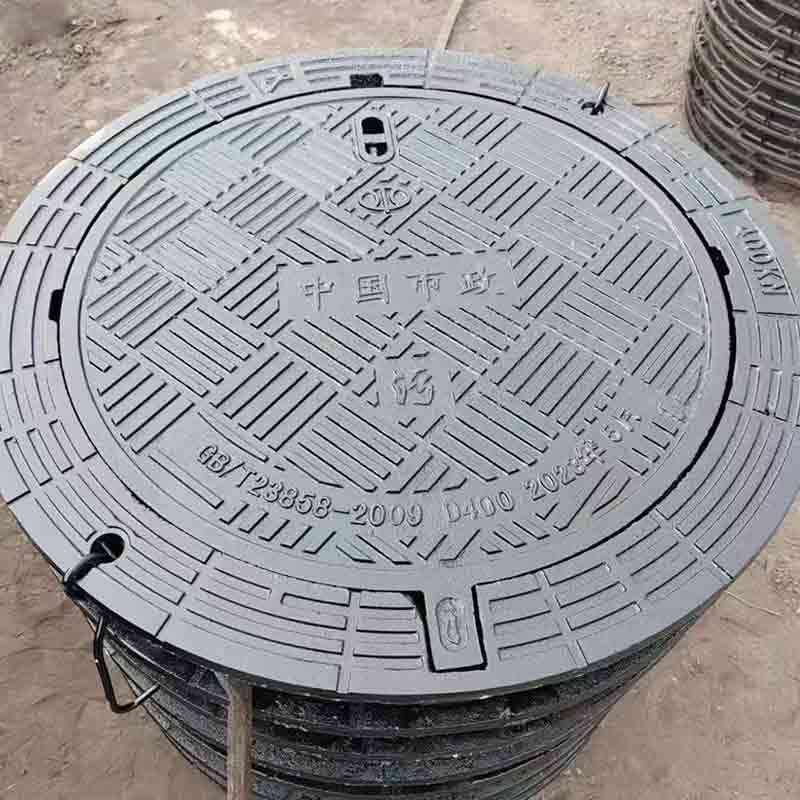
องค์ประกอบและโครงสร้างของวัสดุ
ฝาครอบเหล็กหล่อโดยทั่วไปจะทําจาก:
- เหล็กหล่อสีเทา (กําลังรับแรงอัดสูงพฤติกรรมการแตกหักเปราะ)
- เหล็กดัด (EN-GJS-500-7 หรือเกรดที่คล้ายกัน)
เหล็กดัดมักใช้ในโครงสร้างพื้นฐานสมัยใหม่เนื่องจากมีความเหนียวและทนต่อแรงกระแทกที่ดีขึ้น.
ลักษณะสมรรถนะทางกล
- กําลังรับแรงอัด: โดยทั่วไป 400 MPa ขึ้นอยู่กับเกรด
- ความต้านทานโหลด: สูงถึง EN 124 Class D400 หรือสูงกว่า
- ความต้านทานการเปลี่ยนรูปสูงภายใต้ภาระคงที่
- คุณสมบัติการสั่นสะเทือนที่ยอดเยี่ยมทําให้หมาด ๆ
ข้อดีของระบบเหล็กหล่อ
- ความสามารถในการรับน้ําหนักที่สูงมาก
- อายุการใช้งานยาวนาน (มัก 20 ปี) 40 ปีภายใต้สภาวะที่เหมาะสม
- ประสิทธิภาพที่พิสูจน์แล้วในทางหลวงและเขตอุตสาหกรรม
- การผลิตที่ได้มาตรฐานทั่วโลก
ข้อจํากัด
- น้ําหนักสูงเพิ่มต้นทุนการติดตั้ง
- ไวต่อการกัดกร่อนโดยไม่ต้องเคลือบ
- ความเสี่ยงจากการโจรกรรมเนื่องจากมูลค่าเศษโลหะ
- การสร้างเสียงรบกวนภายใต้ผลกระทบจากการจราจร
คอมโพสิตรอบฝาปิดท่อระบาย: วิศวกรรมวัสดุขั้นสูง
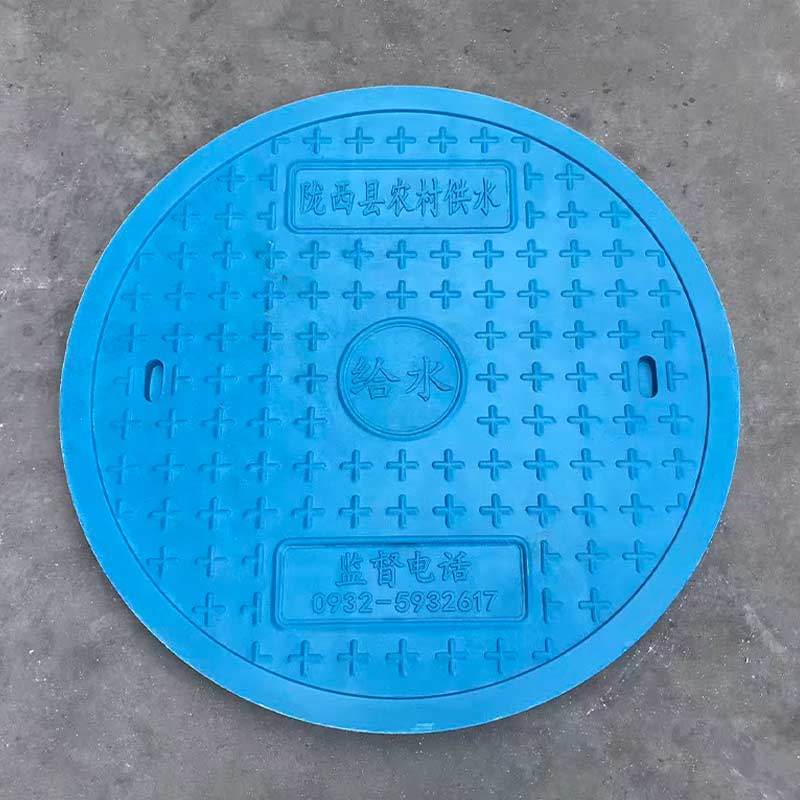
ภาพรวมโครงสร้างวัสดุ
ฝาครอบคอมโพสิตโดยทั่วไปจะทําจาก:
- โพลีเมอร์เสริมใยแก้ว (GFRP)
- สารประกอบขึ้นรูปแผ่น (SMC)
- คอนกรีตโพลีเมอร์ที่ใช้เรซิน
วัสดุเหล่านี้ได้รับการออกแบบทางวิศวกรรมเพื่อประสิทธิภาพโครงสร้างที่มีน้ําหนักเบามากกว่ากําลังรับแรงอัดบริสุทธิ์.
ลักษณะสมรรถนะทางกล
- ความสามารถในการรับน้ําหนัก: EN 124 A15 ถึง C250 (ขึ้นอยู่กับการออกแบบ)
- ความต้านทานแรงดึง: สูงเมื่อเทียบกับอัตราส่วนน้ําหนัก
- การเสียรูปยืดหยุ่นภายใต้ภาระโดยไม่มีความล้มเหลวถาวร
- ทนต่อความเมื่อยล้าได้ดีเยี่ยมในสภาพการจราจรปานกลาง
ข้อดีที่สําคัญ
- เบากว่าเหล็กหล่อถึง 75%
- ทนต่อการกัดกร่อนอย่างเต็มที่ (ไม่เป็นสนิม)
- ไม่นําไฟฟ้า (ปลอดภัยสําหรับระบบโทรคมนาคม/ไฟฟ้า)
- ป้องกันการโจรกรรมเนื่องจากมูลค่าการขายต่อต่ํา
- ลดต้นทุนการขนส่งและติดตั้ง
ข้อจํากัด
- ความสามารถในการรับน้ําหนักสูงสุดต่ํากว่าเมื่อเทียบกับเหล็กดัด
- ความเสี่ยงในการย่อยสลายรังสียูวีในวัสดุคุณภาพต่ํา
- ต้นทุนวัสดุที่สูงขึ้นในบางตลาด
- ต้องมีการควบคุมคุณภาพอย่างเข้มงวดเพื่อความสอดคล้องของโครงสร้าง
อธิบายมาตรฐานการจําแนกประเภทโหลด EN 124
มาตรฐาน EN 124 เป็นเกณฑ์มาตรฐานหลักระดับโลกสําหรับการจําแนกประเภทปริมาณสิ่งปกคลุมท่อระบายน้ํา.
โหลดภาพรวมคลาส
| คลาส | ความจุโหลด | พื้นที่แอปพลิเคชัน |
|---|---|---|
| A15 | 1.5 ตัน | พื้นที่ทางเท้า สวน |
| B125 | 12.5 ตัน | พื้นที่จอดรถ ทางเท้า |
| ค250 | 25 ตัน | เคิร์บไซด์ ถนนจราจรเบาบาง |
| D400 | 40 ตัน | ถนน ทางหลวง เขตอุตสาหกรรม |
| E600 | 60 ตัน | บริเวณท่าเรือเขตอุตสาหกรรมหนัก |
| F900 | 90 ตัน | สนามบิน พื้นที่บรรทุกสัมภาระมาก |
ข้อมูลเชิงลึกทางวิศวกรรม
- เหล็กหล่อมีอิทธิพลเหนือการใช้งาน D40 F900
- วัสดุคอมโพสิตมีอิทธิพลเหนือการใช้งาน A15C250
การจําแนกประเภทนี้มีความสําคัญสําหรับวิศวกรจัดซื้อเมื่อเลือก ฝาปิดท่อระบายน้ําแบบกลม ระบบ.
เหล็กหล่อกับคอมโพสิต: การเปรียบเทียบทางวิศวกรรม
| คุณลักษณะ | เหล็กหล่อ | คอมโพสิต |
|---|---|---|
| โหลดความแข็งแรง | สูงมาก | ปานกลาง |
| น้ําหนัก | หนัก | น้ําหนักเบา |
| ความต้านทานการกัดกร่อน | ปานกลาง | สูงมาก |
| ค่าใช้จ่ายในการติดตั้ง | สูง | ต่ํา |
| ความเสี่ยงจากการโจรกรรม | สูง | ต่ํา |
| ความถี่ในการบํารุงรักษา | ปานกลาง | ต่ํา |
| การลดเสียงรบกวน | ต่ํา | สูง |
การวิเคราะห์ต้นทุนวงจรชีวิต (แบบจําลอง LCC)
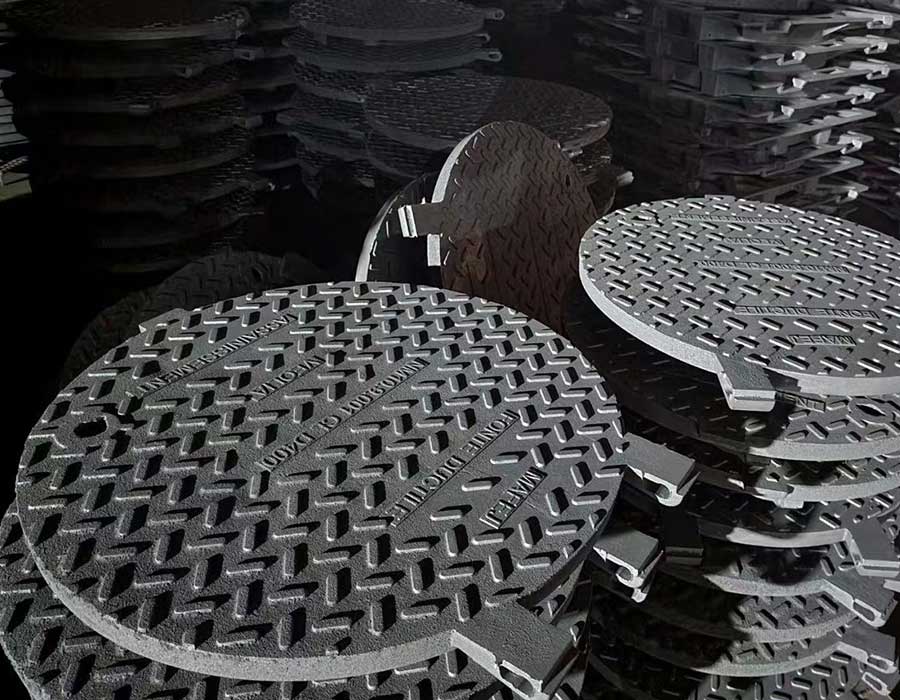
รายละเอียดโครงสร้างต้นทุน
ระบบเหล็กหล่อ:
- ต้นทุนวัสดุเริ่มต้นที่ต่ํากว่า
- ค่าติดตั้งและค่าขนส่งที่สูงขึ้น
- ค่าบํารุงรักษาระยะยาวที่สูงขึ้น
ระบบคอมโพสิต:
- ต้นทุนต่อหน่วยเริ่มต้นที่สูงขึ้น
- ต้นทุนโลจิสติกส์และค่าแรงลดลง
- ค่าบํารุงรักษาที่ต่ํากว่า
ข้อมูลเชิงลึกเกี่ยวกับการศึกษาวงจรชีวิต 10 ปี
จากการศึกษาโครงสร้างพื้นฐานของเทศบาล:
- คอมโพสิตครอบคลุมการเข้ารับการบํารุงรักษา 30 ลด 501TP6
- ฝาครอบเหล็กหล่อแสดงประสิทธิภาพที่ดีขึ้นในโซนโหลดสูง
- ความแตกต่างของต้นทุนตลอดอายุการใช้งานทั้งหมดขึ้นอยู่กับระดับการจราจรและสภาพแวดล้อม
กรณีศึกษาทางวิศวกรรมที่แท้จริง
กรณีที่ 1: โครงการยกระดับทางหลวงยุโรป
ทางหลวงในเยอรมนีเปลี่ยนฝาครอบเหล็กหล่อมาตรฐานด้วยระบบเหล็กดัด Class D400.
ผลลัพธ์:
- ลดความล้มเหลวของโครงสร้าง 60%
- ปรับปรุงการลดเสียงรบกวนจากการจราจร
- เพิ่มช่วงเวลาการตรวจสอบ
กรณีที่ 2: เครือข่ายโทรคมนาคมเมืองอัจฉริยะแห่งเอเชีย
โครงการโทรคมนาคมได้เปลี่ยนฝาครอบเหล็กหล่อด้วยระบบคอมโพสิต.
ผลลัพธ์:
- ลดเหตุการณ์การโจรกรรม 80%
- เวลาในการติดตั้งเร็วขึ้น (สูงสุด 40% การปรับปรุง)
- ปรับปรุงความปลอดภัยของพนักงานในระหว่างการบํารุงรักษา
กลไกความล้มเหลวทั่วไปใน ฝาครอบท่อระบายน้ํากลม ระบบ
โหมดความล้มเหลวของเหล็กหล่อ
- การแตกร้าวของความล้าภายใต้ภาระหนักซ้ําๆ
- ขอบบิ่นเนื่องจากความเครียดจากแรงกระแทก
- การกัดกร่อนลดลงในพื้นที่ชายฝั่งทะเล
โหมดความล้มเหลวแบบคอมโพสิต
- การย่อยสลายรังสียูวีในวัสดุเกรดต่ํา
- เรซินเมื่อยล้าภายใต้ภาระที่มากเกินไป
- การติดตั้งที่ไม่เหมาะสมทําให้เกิดการเสียรูป
การบูรณาการเมืองอัจฉริยะและแนวโน้มในอนาคต
โครงสร้างพื้นฐานที่ทันสมัยกําลังพัฒนาไปสู่ “ระบบท่อระบายน้ําอัจฉริยะ,” ได้แก่:
- เซ็นเซอร์ IoT แบบฝังสําหรับการตรวจสอบโหลด
- ระบบติดตามสุขภาพโครงสร้าง (SHM)
- การติดตามสินทรัพย์ด้วย GPS
- ระบบตรวจจับการโจรกรรมอัจฉริยะ
เทคโนโลยีเหล่านี้ได้รับการบูรณาการเข้ากับการออกแบบฝาปิดท่อระบายน้ําทรงกลมขั้นสูงในเมืองใหญ่ๆ มากขึ้น.
ข้อพิจารณาด้านสิ่งแวดล้อมและความยั่งยืน
วัสดุคอมโพสิตเสนอ:
- ลดการปล่อยก๊าซคาร์บอนในการขนส่ง
- ส่วนประกอบโพลีเมอร์รีไซเคิลได้
- ลดการใช้พลังงานระหว่างการติดตั้ง
ข้อเสนอเหล็กหล่อ:
- อัตราการรีไซเคิลสูง (มากกว่า 90%)
- อายุการใช้งานยาวนานลดความถี่ในการเปลี่ยน
กรอบการตัดสินใจจัดซื้อจัดจ้าง
เมื่อเลือกระบบฝาปิดท่อระบายน้ําแบบกลมวิศวกรมักจะประเมิน:
ขั้นตอนที่ 1: การจําแนกประเภทปริมาณการจราจร
- คนเดินเท้า/การจราจรเบา→คอมโพสิต
- การจราจรหนาแน่น/อุตสาหกรรม→เหล็กหล่อ
ขั้นตอนที่ 2: การสัมผัสสิ่งแวดล้อม
- ชายฝั่ง/โซนเคมี → คอมโพสิตที่ต้องการ
- ถนนในเมืองที่แห้ง→เหล็กหล่อที่เหมาะสม
ขั้นตอนที่ 3: กลยุทธ์การบํารุงรักษา
- ความต้องการการบํารุงรักษาต่ํา→คอมโพสิต
- ความต้องการความทนทานสูง → เหล็กหล่อ
ขั้นตอนที่ 4: โครงสร้างงบประมาณ
- การตั้งค่า CAPEX ต่ํา → เหล็กหล่อ
- การตั้งค่า OPEX ต่ํา → คอมโพสิต
บทสรุป
การเลือกก ฝาปิดท่อระบายน้ําแบบกลม วัสดุโดยพื้นฐานแล้วคือความสมดุลระหว่างความแข็งแรงของโครงสร้าง ความต้านทานต่อสิ่งแวดล้อม ต้นทุนวงจรชีวิต และสถานการณ์การใช้งาน.
เหล็กหล่อยังคงเป็นโซลูชันที่โดดเด่นสําหรับโครงสร้างพื้นฐานสําหรับงานหนักเนื่องจากความแข็งแรงที่ไม่มีใครเทียบได้และอายุการใช้งานที่ยาวนาน ในทางกลับกันวัสดุคอมโพสิตกําลังกําหนดการออกแบบโครงสร้างพื้นฐานที่ทันสมัยใหม่ผ่านการก่อสร้างที่มีน้ําหนักเบาความต้านทานการกัดกร่อนและการรวมเมืองอัจฉริยะ.
ระบบโครงสร้างพื้นฐานในอนาคตมีแนวโน้มที่จะนําแนวทางไฮบริดมาใช้โดยใช้เหล็กหล่อในเขตโหลดวิกฤตและวัสดุคอมโพสิตในสภาพแวดล้อมที่ชาญฉลาด กระจาย และไวต่อการกัดกร่อน เพื่อสร้างแบบจําลองโครงสร้างพื้นฐานในเมืองที่มีประสิทธิภาพและยั่งยืนมากขึ้น.
คําถามที่พบบ่อย
อะไรที่แข็งแกร่งที่สุด ฝาปิดท่อระบายน้ําแบบกลม วัสดุ?
เหล็กดัดเหล็กหล่อครอบคลุมให้ความสามารถในการรับน้ําหนักสูงสุด.
ฝาปิดท่อระบายน้ําแบบคอมโพสิตปลอดภัยสําหรับถนนหรือไม่?
ใช่ แต่ส่วนใหญ่สําหรับพื้นที่การจราจรเบาถึงปานกลาง.
ทําไมฝาท่อเหล็กหล่อจึงยังคงใช้กันอย่างแพร่หลาย?
เนื่องจากให้ความแข็งแรงและความทนทานที่ไม่มีใครเทียบได้ในสภาพแวดล้อมที่มีน้ําหนักมาก.
คอมโพสิตครอบคลุมสนิมหรือไม่?
ไม่ วัสดุคอมโพสิตไม่มีการกัดกร่อนโดยธรรมชาติ.
วัสดุใดมีอายุการใช้งานยาวนานกว่า?
โดยทั่วไปเหล็กหล่อจะมีอายุการใช้งานยาวนานกว่าในสภาพแวดล้อมที่มีภาระสูง ในขณะที่วัสดุคอมโพสิตจะมีอายุการใช้งานยาวนานกว่าในสภาพแวดล้อมที่มีฤทธิ์กัดกร่อน.