

สารบัญ
Drain grate debris loading is better understood as a changing pattern than as a photograph of a full inlet. A thin carpet of leaves may cover important openings while a large-looking pile sits mostly beside them. The operating question is what remains available for water between cleaning visits. This guide compares distinct field observations and the decisions each can support. It helps drainage teams describe accumulation, separate surface obstruction from downstream problems and adjust service around the catchment's actual debris pattern without claiming a universal cleaning interval or a guaranteed blockage allowance.
เมื่อพรมใบไม้ซ่อนช่องเปิดก่อนที่ทางเข้าจะดูเต็ม
Look at coverage across the active water-entry region rather than estimating only the height of the pile. Broad leaves can overlap across several openings and make a relatively shallow layer important to the inlet. Record where the carpet sits relative to the curb and the approaching stream. The useful observation is the relation between material and the effective flow path, not a generic description that some leaves were present.
An inspector's reference photograph can show the empty grate and identify the areas that the approved maintenance instruction needs kept observable. Compare later images from a similar position. This does not turn visual coverage into an exact hydraulic calculation, but it gives the team a repeatable condition description. If critical openings become obscured before the scheduled visit, that finding supports reviewing the service trigger rather than waiting for a large geometric pile that may never form.
เมื่อลําต้นและกิ่งก้านสร้างโครงข้ามตะแกรง
A few stiff pieces can create a structure that catches softer material. Describe where those pieces contact bars or frame projections and whether the accumulation continues upstream. This differs from a uniform leaf carpet because the initial obstruction may remain after loose material is removed. Photograph the arrangement before cleaning when safe access permits. The record can help the operator recognize a recurring snag point rather than repeatedly treating each new leaf layer as an unrelated event.
Check whether the source is seasonal vegetation, pruning activity or material carried from nearby works. Source information can support a targeted housekeeping response, subject to the owner's responsibilities. A different grate pattern may also be considered through the proper design review, but the field observation alone does not prove that changing bar direction will solve the catchment problem. Preserve the distinction between identifying a snag and approving a new inlet geometry.
เมื่อบรรจุภัณฑ์แบบยืดหยุ่นมีพฤติกรรมแตกต่างจากใบไม้ที่หลวม
A bag or sheet of packaging can drape over a region of the grate while leaving other openings visibly clear. Record its position and the flow route rather than assigning the same loading category as a loose leaf pile. The visible quantity of litter may be small compared with its area of coverage. A maintenance form that records only the volume removed can miss why a single item created an operational complaint.
Review nearby waste storage, loading activity and collection practices with the responsible site team. If the material repeatedly arrives from an identifiable activity, source control may be more direct than changing the casting. Any proposed screen or additional capture feature needs its own flow and service review; adding one can create another accumulation surface. The evidence should support a bounded action aimed at the observed material, without claiming that one component can prevent all litter entering the catchment.
เมื่อคราบละเอียดครอบครองช่องระหว่างสิ่งของขนาดใหญ่
Fine deposits can collect around bars, ledges or beneath a layer of coarse material. Record their location, texture description and known source where available. Surface cleaning may reveal a different condition below the first layer, so distinguish pre-cleaning appearance from findings during the authorized service. A top image of leaves does not establish whether the underlying passage was open or whether deposits had already reduced the available space.
The response should follow the approved cleaning and waste-handling method for the site. Material should not simply be pushed through the grate on the assumption that moving it out of sight restores the drainage system. Note whether deposits recur after nearby construction, landscape work or other activities. That pattern can guide source management or a revised inspection scope. It does not establish the composition or disposal classification of the material without the relevant assessment.
| รูปแบบที่สังเกตได้ | Useful next observation | Conclusion it does not establish |
|---|---|---|
| Thin leaf carpet | Coverage of the active entry region | The grate needs to look full before action |
| Stems bridging bars | Persistent snag and catchment source | Another bar pattern automatically fixes the site |
| One sheet of packaging | Area obscured and nearby waste activity | Small litter volume means little effect |
| Clear grate with remaining water | Basket, outlet and downstream condition | More surface cleaning is the complete remedy |
เมื่อตะแกรงใสแต่น้ํายังอยู่
A clear top surface changes the next question. Observe, through the owner's safe inspection process, whether water is restricted at a basket, basin outlet or farther downstream. Record the timing of the surface complaint and what changes after cleaning. If water remains despite removal of the visible debris, the evidence supports further investigation rather than repeatedly increasing the surface-cleaning effort and assuming the same cause.
Keep the basket condition separate if an insert is installed. The surface grate may be clear while the hidden capture device requires attention. Likewise, an elevated downstream water level can limit acceptance even when both are unobstructed. The maintenance record should identify what was actually inspected and what remained unknown. That avoids reporting the whole inlet hydraulically clear when only the visible bars were cleaned.
เมื่อการเยี่ยมชมครั้งต่อไปมาถึงหลังจากรูปแบบการโหลดเปลี่ยนไป
A regular calendar interval is useful for organising work, but the catchment can change between visits. Leaf shedding, pruning, litter collection and temporary works may produce short periods of concentrated loading. Compare the dates and conditions rather than calculating a universal average from a few visits. An apparently satisfactory routine during a quiet period may not represent the season when the inlet needs the most attention.
Define event-related inspection triggers using the owner's operating judgement and approved design assumptions. The trigger needs a person who receives the information and a workable response, including access permissions and equipment. EPA stormwater maintenance guidance identifies responsibilities, inspection arrangements and records as useful elements of a maintenance plan. Apply that framework to the particular grate so an additional check is an assigned task, rather than a vague instruction to watch it more closely.
อ้างอิงทางเทคนิค: EPA stormwater inspection and maintenance planning guidance.
เมื่อกวาดการเปลี่ยนแปลงที่วัสดุเก็บรวบรวม
Map the grate relative to the street-sweeping or yard-cleaning route. Material may be removed from the wider surface yet left beside a curb, obstacle or inaccessible corner. Observe the condition before and after the actual housekeeping operation. The relevant question is whether the process removes debris from the contributing area or relocates it to a place from which runoff can return it to the inlet.
Coordinate responsibilities where different contractors handle sweeping and drainage. A grate-cleaning team may arrive after another activity has changed the accumulation pattern, making its historical interval less useful. The record should identify the sequence of work and any recurring residual strip. A simple change in coordination may deserve review before a product substitution. The observation is operational evidence, not a basis for assigning fault without understanding each contractor's agreed scope.
เมื่อเปรียบเทียบรูปแบบตะแกรงสองแบบภายใต้สภาวะที่ไม่เท่ากัน
Compare the actual conditions before attributing different loading to the products. Tree cover, approach flow, cleaning dates and nearby activity may differ substantially between two inlets. A fuller grate can reflect a more exposed catchment rather than an inferior design. If the owner wants a representative comparison, define the question, observation method and important influences. Record where the conditions prevent a direct conclusion.
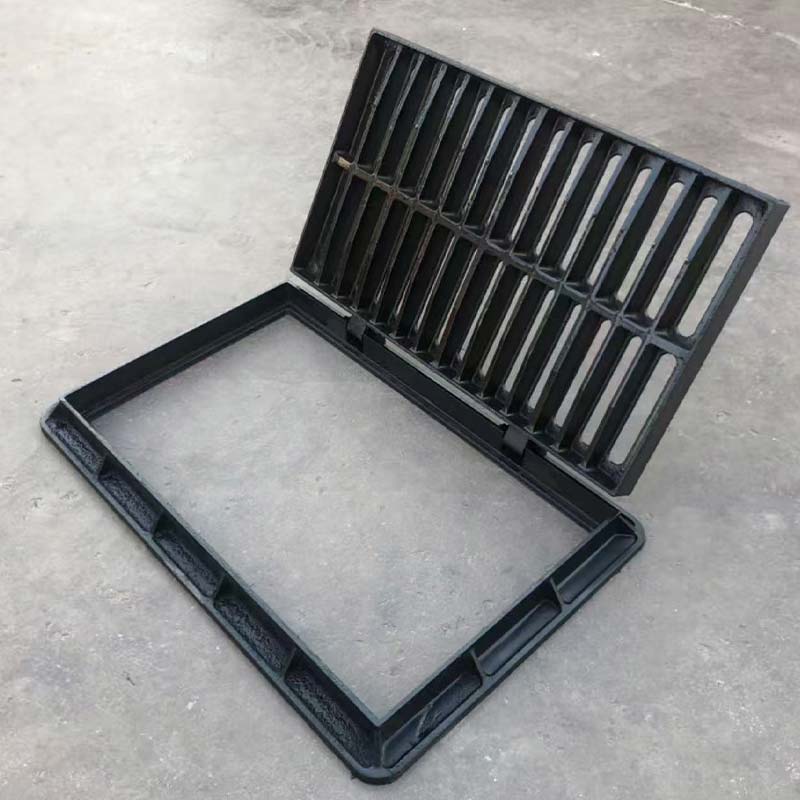
Shengxin's cast iron drain grate range provides a relevant route for discussing a layout observed to snag a particular material. Supply located photographs and the water-entry geometry rather than asking for a universally non-blocking grate. The supplier can explain available patterns and relevant evidence. The responsible designer and operator should assess any proposal against the same catchment and servicing assumptions, with structural and user requirements retained in the review.
เมื่อบันทึกจําเป็นต้องปรับทริกเกอร์บริการที่เปลี่ยนแปลง
Use a compact visit record describing coverage pattern, affected region, material removed and whether the complaint changed after service. Include photographs that can be compared with the empty reference. Distinguish planned visits from reactive calls and note known catchment events. These observations can reveal that one inlet needs a different response from its neighbours without pretending that all assets should use a single frequency.
State the revised trigger and why it follows from the evidence. For example, an owner may decide to inspect after a defined local activity because previous records show a recurring accumulation pattern; that decision should identify the activity and responsible team. It is not a promise that blockage can never occur. The value is a maintenance plan tied to observable conditions, with escalation when the actual inlet behaves differently from the assumptions used to manage it.
หารือเกี่ยวกับข้อกําหนดของโครงการ
Share Shengxin photographs showing the specific debris pattern and the inlet's approach geometry when discussing another grate layout. Combine any product proposal with the owner's catchment-based inspection and cleaning plan.
ข้อมูลผลิตภัณฑ์ที่เกี่ยวข้อง: ช่วงตะแกรงเหล็กหล่อเหล็กระบายน้ําเซิงซิน. แบ่งปันเอกสารโครงการที่เกี่ยวข้องผ่านทางเรา หน้าติดต่อ.
คําถามของโครงการ
Should debris loading be recorded only as volume removed?
No. Record how material covers the openings and where it sits relative to the water path. A small quantity can obscure an important region.
Why can a shallow leaf layer matter?
Overlapping leaves can cover several openings before a deep pile forms. Use a repeatable observation of the active entry area rather than pile height alone.
Does ponding after cleaning prove the grate is undersized?
No. Inspect the basket, outlet and downstream conditions as appropriate. Remaining water can have a different limiting cause.
Can every inlet use the same cleaning interval?
A common programme may be convenient, but catchment exposure and records can justify different inspection triggers for particular assets.
What supports changing the maintenance plan?
Located, dated observations showing a recurring loading pattern, its relation to local activities and the response after service provide a useful basis for the owner’s review.