

Table of Contents
Catch basin basket wet weight is an operating condition, not a value that can be read from the empty basket specification. Water, sediment, leaves and mixed litter can change what the crew has to control when the unit leaves its supports. The removal route and grasping arrangement matter alongside mass. Before specifying a basket or increasing its capacity, establish how the loaded unit will be assessed and handled. This guide helps owners develop a practical load-information record and a maintenance method without inventing a universal safe lifting weight or assuming that every basket handle is a rated lifting point.
Separate empty mass, retained load and handling demand
Request the empty mass for the exact basket configuration, including its normal handles, inserts and attachments. Record what the figure includes and whether variants differ. The retained material adds another component that changes between visits. Do not describe the empty figure as the weight the crew will lift during service. Nor should geometric basket volume be converted into a loaded mass using an unexplained generic density when the catchment contains variable materials.
Handling demand also depends on the movement required. A manageable object at waist height may be difficult to control when lifted from below ground, reached across a frame or turned through a narrow throat. Record these conditions separately from mass. This prevents the enquiry from focusing on a lightweight basket body while overlooking the more important question of how the complete loaded unit moves from its installed position to a stable collection location.
Characterize the material instead of calling everything debris
Use maintenance observations to distinguish leaves, packaging, granular deposits and mixed material. Note wetness, the way material bridges the basket and whether retained water drains freely under the approved arrangement. The objective is not to predict an exact future load from appearance. It is to identify the conditions the handling plan must address and the observations that should trigger a different response. Unknown or unusual contents should follow the owner's assessment process.
Record seasonal or temporary sources. Leaf shedding, adjacent construction and changes in housekeeping can alter what the basket retains. A trial during a quiet period may not represent the operating condition that governs removal later. Keep the service record linked to the catchment and date. Avoid selecting a larger basket solely to reduce visits without evaluating how its potential loaded condition changes the lifting and disposal task.
Collect useful load information through a planned method
Where measured load data would improve the plan, have the responsible team define how they can be obtained safely with appropriate equipment. Identify the basket, condition, material description and measurement basis. Do not require workers to attempt an uncertain manual lift in order to discover whether it is too heavy. The information-gathering method itself must fit the owner's safe operating arrangements and the supplier's permitted handling configuration.
Distinguish an observation from a design limit. A measured load on one visit does not establish the maximum load that may occur at another asset or season. Use the data to refine assumptions and service triggers, with a competent assessment of variation. Preserve enough context for future review: a mass value without a photograph, debris description or asset reference can be difficult to apply. State any drainage period or preparation used in the measurement so later comparisons remain meaningful.
Assess manual handling as a task rather than a universal number
HSE's manual-handling risk-filter guidance explains that its guideline values are not safe lifting limits and rely on assumptions about the task. Use the applicable workplace requirements and a suitable assessment for the actual operation. A catch basin extraction may involve reach, an awkward grasp and a constrained standing position that differ from a simple box lift. Do not present a generic mass threshold as proof that every worker can remove the basket safely.
The owner should determine whether hazardous manual handling can be avoided and how remaining risks are reduced. Consider the full movement, including putting down and emptying, rather than only the initial lift. More people do not automatically make an awkward task acceptable. Any team-handling or assisted method needs a coordinated plan that fits the equipment, space and crew. The supplier's role is to provide accurate product and interface information supporting that assessment.
Technical reference: HSE manual-handling risk-filter guidance.
| Load information | What it tells the owner | Limit to preserve |
|---|---|---|
| Empty configured basket mass | Product contribution to the load | Does not describe retained material |
| Observed wet debris type | Likely variation and handling conditions | Appearance is not an exact mass measurement |
| Planned measured-load record | A documented condition at a stated visit | One observation is not a universal maximum |
| Approved attachment information | Permitted interface with handling equipment | A manual handle is not automatically a mechanical lifting point |
Confirm what the handles and attachment points are designed to do
Ask the supplier to identify permitted gripping and lifting features for the exact model. A handle intended for manual removal is not automatically suitable for a hook, sling or powered device. Obtain applicable limits and instructions rather than inferring strength from its appearance. Check the load path through the handle, its connection and the basket body. A strong-looking local fitting cannot establish the suitability of the complete suspended assembly.
Where mechanical assistance is selected, have competent personnel specify compatible equipment and attachment methods. Confirm any restrictions related to orientation, unequal loading or inspection. Do not drill new attachment holes or wrap lifting equipment around unspecified basket parts as a routine solution. If the required loaded condition cannot be handled using the approved features, revise the basket or maintenance arrangement with the responsible parties before installation.
Trace the load from the supports to the collection point
Draw the extraction path through the open grate, past hinges or locks and into the working area. Check whether the basket needs to tilt or rotate and how contents are controlled during that movement. Include the footprint of any handling aid and the route to the waste container. The load does not become operationally irrelevant once it clears the inlet. Carrying, lowering and emptying can create different constraints from the vertical removal itself.
Choose a stable collection arrangement that does not require an uncontrolled transfer or place workers under a suspended load. Follow the owner's waste-handling requirements for the actual material. Do not assume that retained sediment or water can be tipped back into the drainage system. If safe extraction requires partial emptying or a different method, that procedure needs a defined approval and equipment plan, rather than being left to the crew when a basket proves difficult to move.
Set service triggers that preserve the planned handling method
The cleaning trigger should reflect the basket's approved operating and handling conditions. It may need to account for accumulation at a particular location, obstructed drainage or material that changes the removal task. Do not use an arbitrary fill percentage as a universal safe-weight indicator. A small volume of dense wet deposits and a larger volume of loose litter can create different loads. Define observations the actual inspection crew can make without undertaking an unapproved lift.
Identify what happens when a trigger is exceeded or the contents are unusual. The crew should have a stop-and-escalate route to a suitable alternative method. Avoid relying on extra force as the response to a basket stuck in its supports. Sticking can involve debris, corrosion, misfit or excessive load, each requiring review. Record the condition and protect the asset while the responsible team determines the appropriate action.
Make the first service a review of the whole operation
After installation, observe a planned service with the intended crew and equipment under the owner's authorized process. Compare actual access, grasping and movement with the design assumptions. Record difficulties and obtain a disposition before they become normalized shortcuts. A clean empty-basket demonstration at delivery is useful for fit, but cannot by itself represent the loaded service operation. Keep the two demonstrations labelled by what they actually establish.
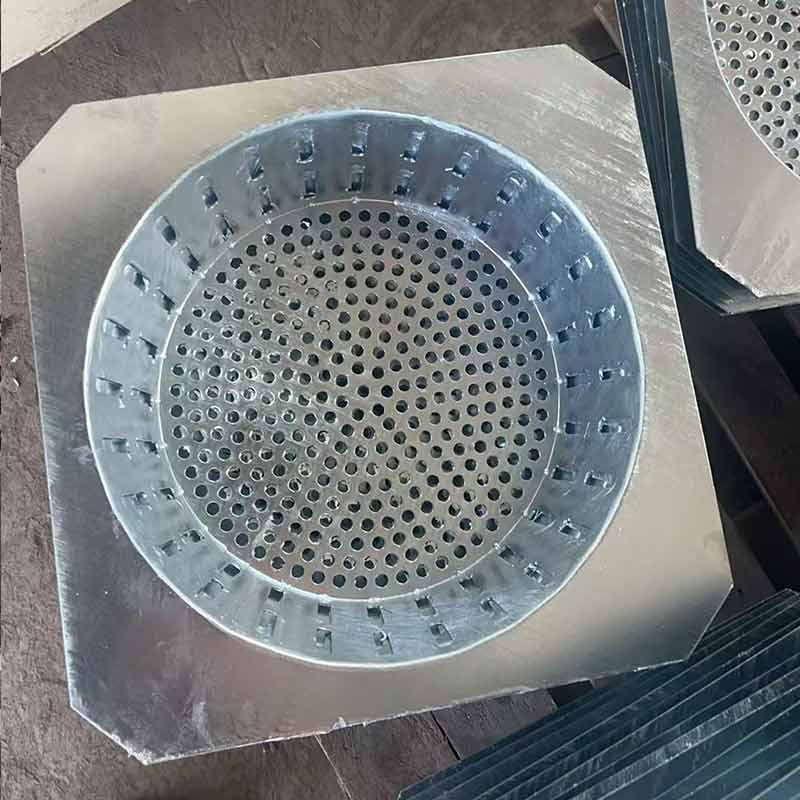
Shengxin's sewage interception basket page provides a relevant starting point for discussing basket geometry and available handling features. Supply the expected retained materials and removal route with the enquiry. Ask for model-specific information rather than a general statement that the product is light. Where the site requires mechanical handling or a special support arrangement, confirm the proposed complete configuration and applicable evidence before increasing basket capacity or ordering a batch.
Keep operating data linked to the model and asset
Store empty product information, approved handling instructions, service observations and any measured load records under the asset reference. Include the basket variant and attachment references. If the support or handle changes, review whether the existing method remains valid. A maintenance record that only states basket cleaned misses useful evidence about how the task was completed and whether the contents approached an operating limit.
Review patterns rather than treating every difficult lift as an isolated crew issue. Repeated heavy deposits may justify catchment controls, a different service approach or a reviewed product change. Those choices need evidence and owner approval, not an invented promise that a new material eliminates handling concerns. The goal is a basket programme whose retained load can be managed through a defined process, with clear limits and an alternative response when actual conditions differ.
Discuss the project requirements
Send Shengxin your retained-material observations, inlet geometry and proposed handling method. Request empty configuration information and permitted lifting details, then have the maintenance team assess the complete loaded removal task before ordering.
Related product information: Shengxin sewage interception basket. Share the applicable project documents through our contact page.
Project questions
Can wet basket weight be calculated from capacity alone?
Not reliably without a justified retained-material basis. Contents and wetness vary. Use suitable product information, site observations and planned measurements where needed.
Is a low empty mass enough to approve manual removal?
No. Assess the loaded task, including reach, grip, extraction path, putting down and emptying. The empty basket is only one part of the operation.
Can a hook be attached to any basket handle?
Only use features and methods approved for the exact configuration. A manual carrying handle may not be intended for mechanical lifting.
What should crews do when the basket feels unexpectedly heavy or stuck?
Follow the owner’s stop-and-escalate procedure and use an assessed alternative method. Do not make an uncertain lift or apply extra force merely to discover the cause.
Should a larger basket automatically mean fewer visits?
No. Review its potential loaded condition, flow performance and handling arrangement before changing service frequency. Increased capacity can change the maintenance task.