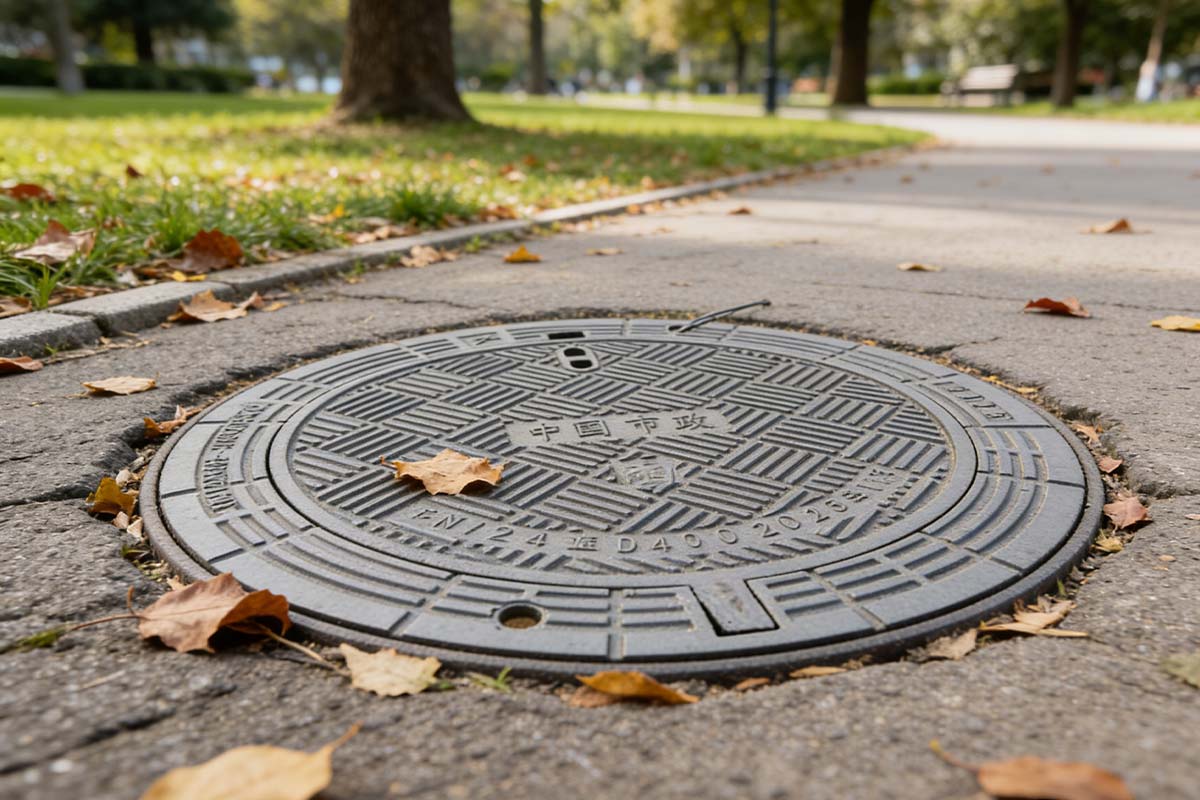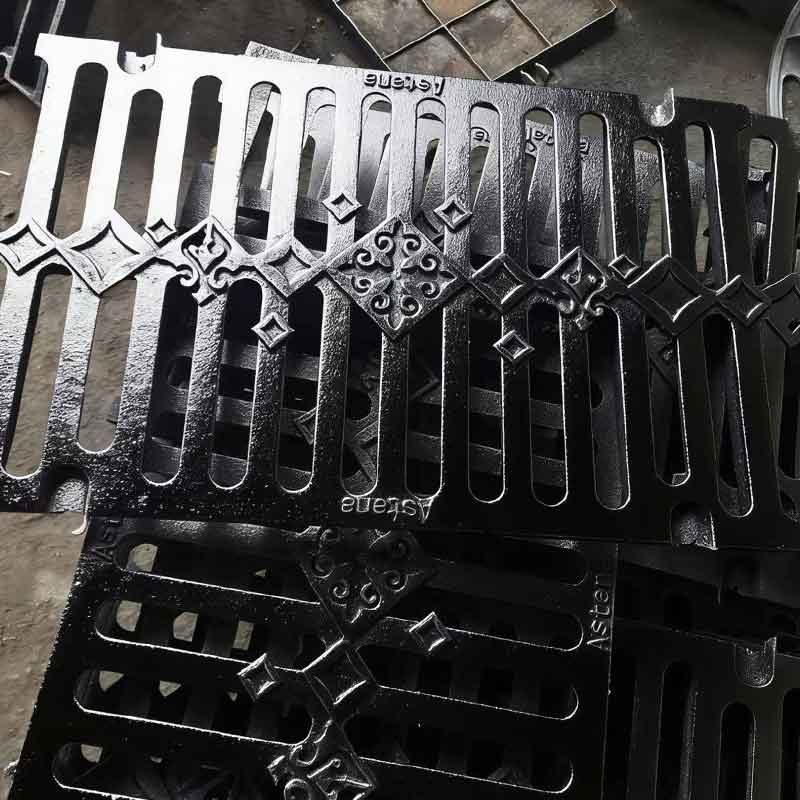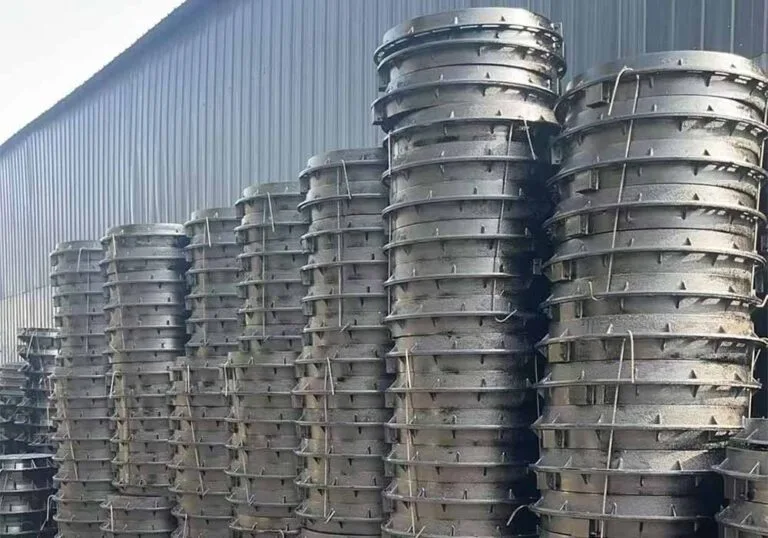


ومع استمرار تسارع التحضر والتصنيع على مستوى العالم، لم يكن الطلب على مكونات البنية التحتية الدائمة والموثوقة أعلى من أي وقت مضى. ومن بين هذه العناصر الحاسمة، تلعب أغطية غرف التفتيش المقاومة للتآكل دورًا متزايد الأهمية في الحفاظ على سلامة وطول عمر وكفاءة شبكات المرافق الحضرية والصناعية. يشهد السوق العالمي للأغطية المقاومة للتآكل نموًا قويًا، مدفوعًا بالحاجة إلى حلول طويلة الأمد تتحمل الظروف البيئية القاسية وحركة المرور الكثيفة والاستخدام الصارم.
يعد التآكل أحد أهم التحديات التي تواجه أغطية غرف التفتيش التقليدية المصنوعة من الحديد الزهر والخرسانة. يمكن أن يؤدي التعرض للمياه والمواد الكيميائية والأملاح ودرجات الحرارة المتقلبة إلى تدهور سريع، مما يؤدي إلى زيادة تكاليف الصيانة ومخاطر السلامة والاستبدالات المتكررة. تم تصميم الأغطية المقاومة للتآكل، المصنوعة من مواد مثل حديد الدكتايل مع الطلاءات المتخصصة والراتنج المركب والألياف الزجاجية وسبائك البوليمر، لمواجهة هذه التحديات. ومن خلال الجمع بين المواد عالية القوة والمعالجات السطحية الواقية، توفر هذه الأغطية عمر خدمة أطول وأداء موثوقًا في ظل مجموعة واسعة من الظروف البيئية.
تظل الأغطية المقاومة للتآكل من حديد الدكتايل خيارًا مفضلاً للتطبيقات الثقيلة. يوفر هيكل الجرافيت الكروي الفريد من نوعه لحديد الدكتايل قوة شد ومرونة ومقاومة للصدمات ممتازة. عند دمجها مع الطلاءات المضادة للتآكل مثل الإيبوكسي أو الأسفلت أو الدهانات المقاومة للصدأ، تحافظ هذه الأغطية على سلامتها الهيكلية حتى في المناطق ذات حركة المرور الكثيفة أو البيئات الساحلية أو التلوث الصناعي. تستفيد الطرق البلدية والطرق السريعة ومحطات الموانئ والمجمعات الصناعية من مزيج القوة والمتانة، مما يضمن بقاء البنية التحتية آمنة وعملية على مدى عقود.
تكتسب الأغطية المقاومة للتآكل المركبة والقائمة على البوليمر شعبية بسبب خفة وزنها وتنوعها وخصائصها غير المسببة للتآكل. تتميز هذه المواد بمقاومة عالية للمواد الكيميائية والمياه المالحة والضغوطات البيئية، مما يجعلها مثالية للمدن الساحلية وشبكات الصرف الحضرية والمواقع الصناعية حيث تتدهور الأغطية المعدنية التقليدية بسرعة. بالإضافة إلى مقاومة التآكل، توفر الأغطية المركبة مزايا أخرى مثل الأسطح المضادة للانزلاق، وتقليل الضوضاء، وسهولة التركيب، مما يجعلها حلاً فعالاً من حيث التكلفة للبلديات وشركات البناء على حدٍ سواء.
ويتوسع سوق الأغطية المقاومة للتآكل بسرعة في المناطق التي تشهد توسعاً حضرياً كبيراً، بما في ذلك جنوب شرق آسيا، والشرق الأوسط، وأفريقيا، وأمريكا اللاتينية. وتؤدي مشاريع البنية التحتية واسعة النطاق في هذه المناطق، مثل بناء الطرق، وشبكات معالجة مياه الصرف الصحي والمياه، والتطوير السكني، والتوسع الصناعي، إلى زيادة الطلب على الأغطية عالية الجودة والدائمة. يبحث مخططو ومقاولو البلديات بشكل متزايد عن الموردين الذين يمكنهم تقديم حلول مقاومة للتآكل بكميات كبيرة، بجودة متسقة، والتسليم في الوقت المحدد، والامتثال للمعايير الدولية مثل EN124.
تعد تكاليف الصيانة ودورة الحياة عاملاً آخر يساهم في نمو السوق. غالبًا ما تتطلب أغطية غرف التفتيش التقليدية فحصًا وإصلاحًا واستبدالًا متكررًا بسبب التآكل والتآكل. تعمل الأغطية المقاومة للتآكل على تقليل هذه التكاليف بشكل كبير، مما يوفر عمرًا تشغيليًا أطول ويقلل من اضطرابات حركة المرور وعمليات البنية التحتية. تعتبر هذه الميزة الاقتصادية ذات قيمة خاصة في الشبكات الحضرية الكبيرة حيث يجب الحفاظ على آلاف نقاط الوصول، لأنها تقلل من نفقات العمالة والمواد والتشغيل بمرور الوقت.
بالإضافة إلى البنية التحتية الحضرية، تعد التطبيقات الصناعية محركًا رئيسيًا للطلب على الغطاء المقاوم للتآكل. تتطلب المرافق التي تتعامل مع المواد الكيميائية ومياه الصرف الصحي والبترول والمواد المسببة للتآكل الأخرى نقاط وصول يمكنها تحمل التعرض دون المساس بالسلامة الهيكلية. توفر المواد المقاومة للتآكل الحماية اللازمة ضد الهجمات الكيميائية والأكسدة والتدهور البيئي، مما يضمن السلامة والموثوقية. وهذا يجعلها ضرورية للمجمعات الصناعية والمصانع الكيماوية ومحطات الطاقة ومراكز النقل.
الاستدامة البيئية هي اتجاه رئيسي آخر يؤثر على السوق. الأغطية المقاومة للتآكل طويلة الأمد تقلل من تكرار عمليات الاستبدال، مما يقلل من استهلاك المواد الخام وتوليد النفايات. العديد من الأغطية المركبة والبوليمرية الحديثة قابلة لإعادة التدوير، مما يزيد من تعزيز صورتها البيئية. ومع اعتماد المدن والصناعات لممارسات البناء الأخضر وأهداف الاستدامة، من المتوقع أن ينمو الطلب على المواد المقاومة للتآكل والصديقة للبيئة بشكل مطرد.
الابتكار التكنولوجي يشكل السوق أيضًا. الأغطية الحديثة المقاومة للتآكل ليست أقوى وأكثر متانة فحسب، بل إنها متوافقة أيضًا بشكل متزايد مع تطبيقات المدن الذكية. أصبحت أجهزة الاستشعار المدمجة وأجهزة المراقبة وتكامل إنترنت الأشياء معيارًا في البنية التحتية الحضرية لتتبع تدفق المياه أو ضغط الغاز أو الشبكات الكهربائية. وتضمن المواد المقاومة للتآكل إمكانية تركيب هذه التحسينات التكنولوجية دون المساس بالسلامة الميكانيكية للغطاء، مما يوفر منصة موثوقة للتنمية الحضرية المستقبلية.
ويتوقع محللو الصناعة أن السوق العالمية لأغطية غرف التفتيش المقاومة للتآكل سوف تستمر في التوسع على مدى العقد المقبل. ومن المتوقع أن تؤدي عوامل مثل التحضر المستمر، وتحديث البنية التحتية القديمة، واللوائح البيئية، واعتماد تقنيات المدن الذكية إلى الحفاظ على الطلب القوي. ومن المرجح أن يكتسب المصنعون الذين يركزون على الجودة والابتكار والامتثال للمعايير الدولية ميزة تنافسية ويحصلون على حصة كبيرة في السوق.
في الختام، يتم الاعتراف بشكل متزايد بأغطية غرف التفتيش المقاومة للتآكل كمكونات أساسية للبنية التحتية الحضرية والصناعية الحديثة. إن قدرتها على تحمل البيئات القاسية، وتقليل تكاليف الصيانة، ودعم التكامل التكنولوجي المتقدم تجعلها استثمارًا قيمًا للبلديات والمرافق الصناعية ومشاريع البناء في جميع أنحاء العالم. ومع استمرار النمو الحضري وتطوير البنية التحتية، تظل آفاق الأغطية المقاومة للتآكل قوية، مما يسلط الضوء على أهمية المتانة والاستدامة والابتكار في سوق البنية التحتية المتطورة.