

Table of Contents
Manhole cover installation hold points turn hidden construction into reviewable evidence. Without them, the handover file may contain excellent photographs of the finished road and almost nothing showing the support beneath its frame. The objective is not to photograph every action. It is to identify the moments when a critical condition can still be examined and corrected before the next operation conceals it. This guide develops a practical hold-point plan for owners, inspectors and contractors, connecting each release with an approved detail, a responsible person and evidence that can later explain what was actually built.
Choose hold points from the interfaces that will disappear
Read the approved installation section and mark each interface that later work will hide. These may include the retained chamber condition, prepared bearing area, frame support and specific anchorage or surrounding construction details. The actual list depends on the assembly and project method. Do not copy a generic inspection checklist that omits the unusual feature controlling this installation. Each proposed hold point should answer a clear acceptance question while the relevant feature is accessible.
Separate a formal release from routine progress photography. A hold point needs an identified authority and a defined requirement before work proceeds. A photograph uploaded to a shared folder does not itself authorize concealment. Make that distinction clear in the work package, particularly where the installer and inspector work for different organizations. The aim is a proportionate process that prevents critical evidence gaps without delaying work for images that do not support a decision.
Build a release sheet before the crew arrives
For each hold point, state the asset reference, relevant drawing or specification, condition to be checked, evidence required and person authorized to release it. Include a process for departures and unavailable inspection personnel. This avoids an on-site assumption that silence means acceptance. The contractor should know who to contact and what work can continue independently while a specific hidden interface remains on hold.
Keep the sheet concise enough to use in the field. A long quality manual is useful background, but the crew needs a located instruction for this installation. Identify drawing revisions and avoid conflicting copies. If the installation method changes, review the affected hold points before the revised operation begins. A release based on an obsolete detail does not establish that the changed work was checked against the right requirement.
Record the retained structure before it is rebuilt around
After authorized exposure and preparation, photograph the chamber top, bearing surfaces and relevant surrounding construction. Include the extent of removal and any condition that differs from the design assumption. Show context so a reviewer can locate a damaged area within the opening. Close-ups should supplement, rather than replace, an overall view. Use a scale for dimensional findings and retain the actual measurements in the record.
NYC DEP's sewer and water specifications provide an official example of linking frame-and-cover replacement with supporting construction work. Apply the local owner's specification and approved project detail to decide what must be accepted before setting the frame. If the exposed structure requires repair, document the disposition and the completed repair at the appropriate stage. Do not let the next layer conceal an unresolved condition merely because a new casting is ready to install.
Technical reference: NYC DEP specifications for frame replacement and supporting work.
Show the frame's intended bearing and setting arrangement
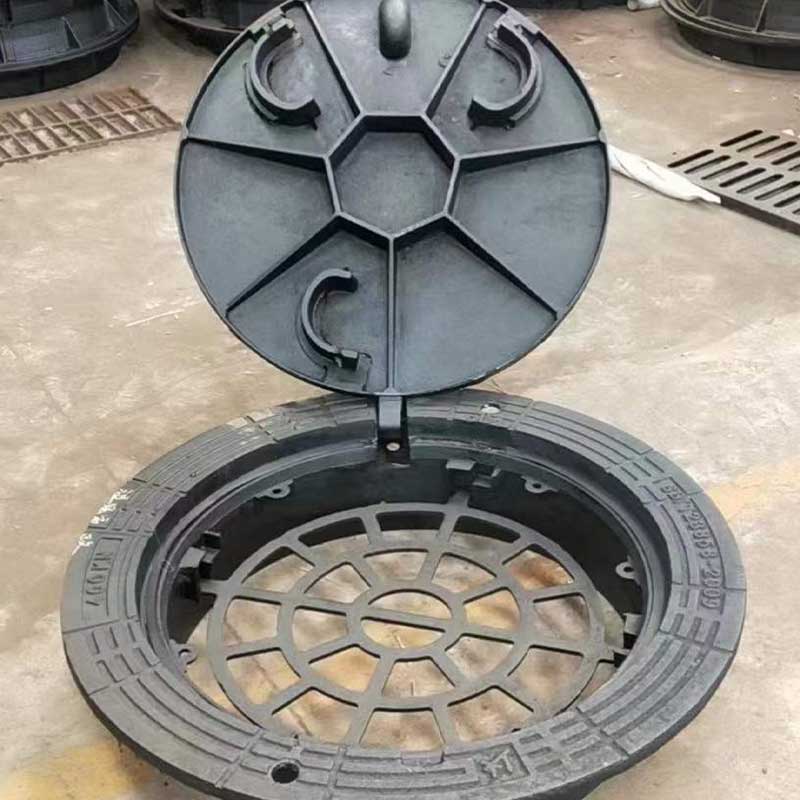
Capture the support geometry at the stage specified by the inspection method. The useful record should identify how the frame relates to its bearing area and any approved setting aids. Photograph the features that would be difficult to assess once material is placed or the surround is closed. A top view of a frame resting over an opening usually cannot establish the hidden load path. Choose angles that answer the release question rather than the easiest angle available.
Record model and frame identification at this stage so the geometry can be connected to the reviewed drawing. If temporary spacers, anchors or other devices are used, show their approved arrangement and final disposition where applicable. Do not invent a universal installation method from a catalogue. The hold point verifies the project's specified method and resolves departures before they are embedded in the finished work.
| Hold point or check | Evidence that matters | Release question |
|---|---|---|
| Retained structure exposed | Located condition photographs and measurements | Does the support match the approved assumption? |
| Frame setting and support | Assembly identity and visible bearing arrangement | Can the next operation conceal this interface? |
| Installation material readiness | Specified product and relevant process record | Are the defined loading conditions satisfied? |
| Completed assembly | Finished levels and operation result | Does final access and surface work meet the reviewed requirements? |
Use location references that survive the photograph
Mark sides or measurement points on a simple sketch and use those references in the image names or captions. Include a consistent orientation to the road or another permanent feature. A close view labelled north corner is only useful if the location and direction are established. Avoid relying entirely on phone location metadata, which may be absent or too imprecise to identify one of several nearby covers.
Keep original images alongside any annotated copies. Add arrows or labels to explain observations without obscuring the underlying detail. Record date, construction stage and asset reference in the associated inspection record. Do not imply that a timestamp proves the quality of hidden material. The image supports the observation made at a particular stage; acceptance still needs the relevant dimensional, material or process information required by the approved method.
Record materials and readiness where images cannot answer
A photograph cannot establish every property of bedding, concrete or another installation material. Link the visual record with material identification and the relevant placing information from the quality process. Identify which document governs preparation, application and return to service. Avoid a generic note that suitable material was used if the project requires traceable product information. The evidence should show what was used, where it was used and who accepted the relevant condition.
Likewise, a finished surface that looks hard does not prove that a specified release condition has been achieved throughout the installation. Record the evidence required by the approved method and the person authorizing loading or reopening. Do not make up a universal curing period or infer it from the cover material. Keep material readiness separate from the casting delivery check and from the inspection of final lid operation.
Release departures through a visible disposition
If a hold point identifies a discrepancy, record its location, significance and the proposed corrective action. Obtain the responsible disposition before concealment. The final record should link the original finding with any repair evidence and release decision. A later photograph of a tidy installation cannot explain how an earlier damaged support was resolved. Preserve the chain so the owner can understand the actual decision without reconstructing informal conversations.
Distinguish conditional acceptance from a completed release. State any remaining task, responsible person and limit on proceeding. Do not allow an installer to interpret a request for more photographs as approval of the underlying detail. Where a change affects the supplier's support requirements or assembly configuration, include that review in the disposition. This keeps a routine site adjustment from becoming an undocumented design change.
Verify the completed access and surface separately
After the hidden interfaces are accepted and reinstatement is complete, check the finished levels, surrounding transitions and full operating sequence. Use the model's intended tools and verify relevant seating, locking or hinge functions. Record these as final checks rather than as substitutes for the earlier hold points. A quiet, flush-looking lid does not demonstrate the condition of the bedding beneath its frame.
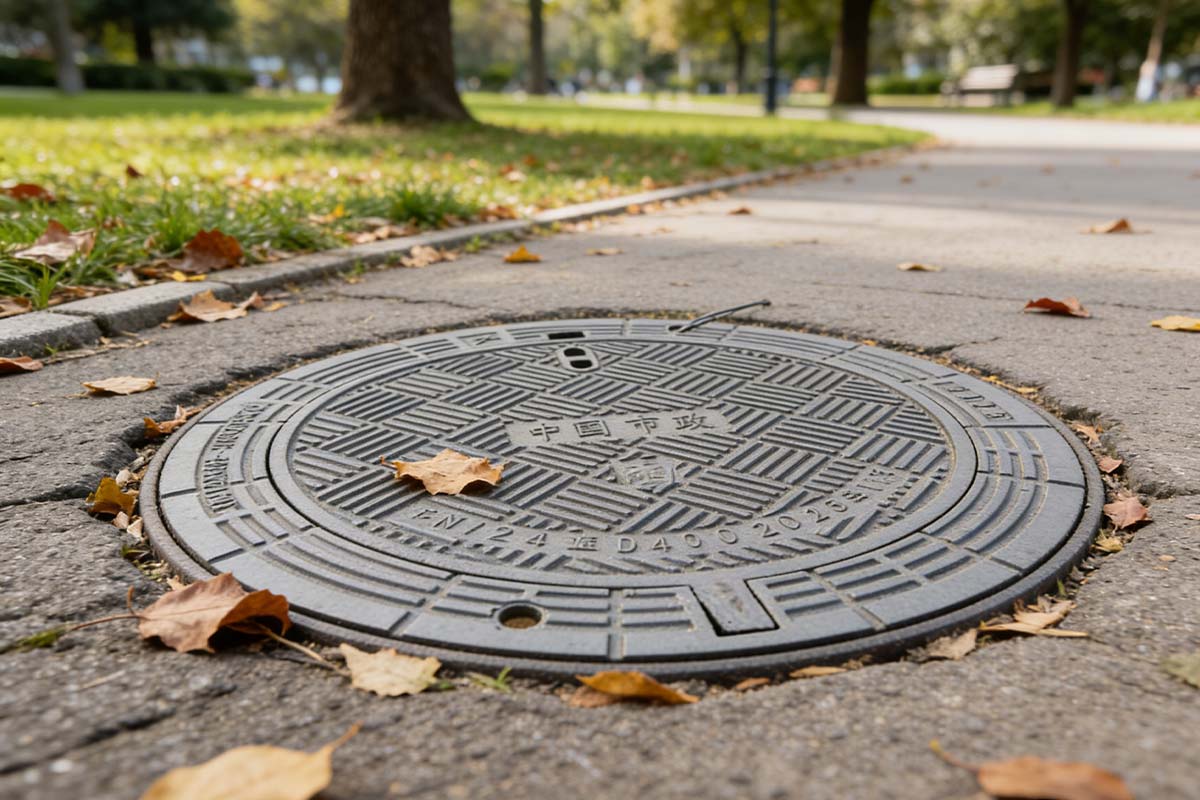
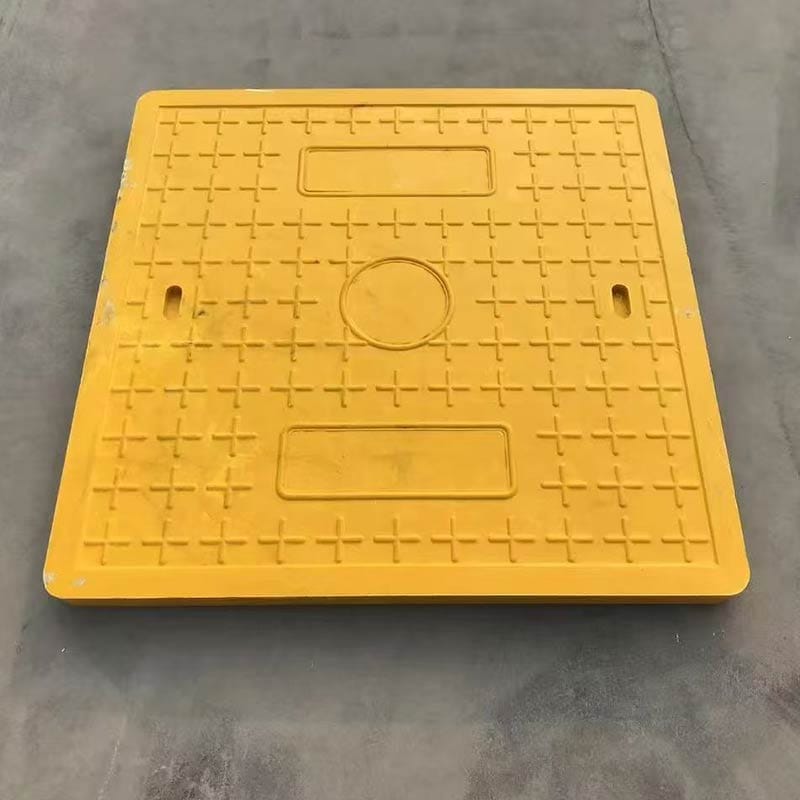
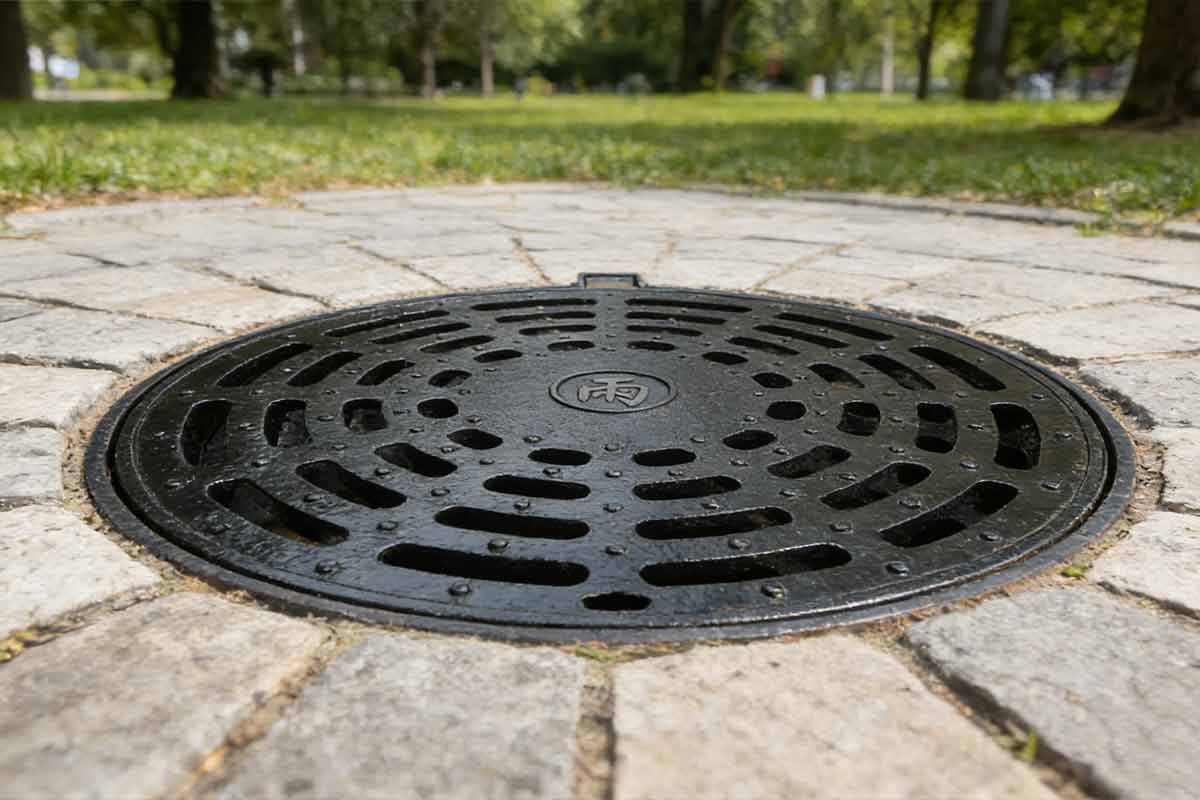
Shengxin's round cast iron manhole cover range provides a relevant route for obtaining the model-specific assembly and installation information used in the plan. Request the support detail and operation instructions with the quotation so the inspection questions can be set before site work. The supplier's product page helps identify a family; the actual hold points need the exact model, project geometry and approved construction method.
Assemble a small evidence package that can be audited
Organize the handover by asset and construction stage. Include the approved drawing, release sheet, located photographs, relevant material records, dispositions and final checks. An index can identify which evidence answers each requirement. The objective is completeness of the important interfaces, not a large number of nearly identical images. Avoid filling missing stages with photographs from another installation unless they are clearly labelled as illustrative and not evidence for this asset.
Retain limits honestly. If a concealed condition was not inspected, mark it unverified and obtain the owner's appropriate disposition rather than creating a retrospective release. Future movement or access complaints can then be assessed against a reliable baseline. A useful hold-point package makes the verification layer explicit: what was seen, what was measured, what was documented by process and what remained outside the inspection. That clarity is the real value of photographing before burial.
Discuss the project requirements
Request the exact Shengxin assembly drawing and support requirements with your quotation. Use those details and the approved civil method to agree installation hold points, so the frame's hidden interfaces are documented before reinstatement conceals them.
Related product information: Shengxin round cast iron manhole cover range. Share the applicable project documents through our contact page.
Project questions
Is every progress photograph a hold-point record?
No. A hold point needs a defined acceptance question, required evidence and authorized release before the specified next operation proceeds.
What should be photographed before the frame is surrounded?
Record the relevant exposed support, bearing arrangement, frame identity and any critical installation features identified by the approved detail and inspection method.
Can photographs prove material strength or readiness?
Not by themselves. Link visual records to the material and process evidence required by the approved installation method.
How should a site discrepancy be recorded?
Locate the finding, preserve its evidence and link it to an authorized disposition and any corrective-work release before concealment.
What if a hidden stage was never inspected?
Record that limitation and seek the owner’s appropriate disposition. Do not present later surface photographs as if they verified the concealed interface.