

Table of Contents
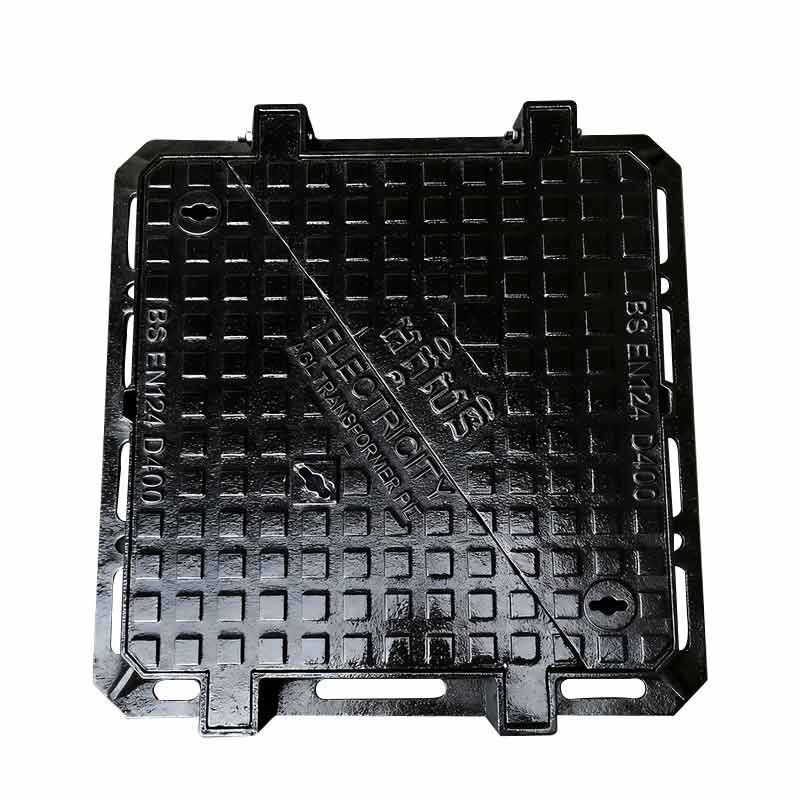
Square manhole cover orientation matters when a lid looks symmetrical from above but its seat, ribs, hinges or locks are not. A crew may return it to the frame in a different position and find that it nearly closes, creating a temptation to force or pack the interface. The solution begins with understanding the particular assembly and making its permitted position obvious. This guide helps owners specify orientation information, inspect existing assets and hand over a practical removal-and-reinstallation record so the correct arrangement survives routine maintenance and future component replacement.
Establish whether the assembly actually permits rotation
Request the complete lid-and-frame drawing and the manufacturer's operating instructions. Identify permitted seating positions and any features that distinguish them. A square outline does not establish quarter-turn interchangeability. Internal ribs, contact pads, hinges, locks or inserts may create a directional arrangement. The supplier should confirm the function rather than leaving the installer to test every possible position in a live access opening.
For an existing unidentified assembly, record the as-found position before removal and collect available markings from both parts. Treat missing identification as an uncertainty requiring review. Do not assume that the current position is correct merely because the cover has remained there for some time. If the lid is rocking, binding or not engaging its restraint, preserve those observations and seek a controlled inspection rather than turning it repeatedly until one position appears quiet.
Distinguish installation direction from lid seating direction
The frame's position in the road may be governed by access, hinge clearance or other project requirements. The removable lid's position within that frame is a separate interface. Show both references in the drawings. A note pointing a logo toward the road centreline may express an appearance preference without identifying the functional seating position. Resolve which directions are essential to operation and which are simply presentation choices.
Keep the site reference stable and easy to locate. Use a curb line, building face or mapped asset direction rather than a temporary parked vehicle. Identify the corresponding physical feature on the frame. If multiple covers sit close together, assign individual asset references so the direction note cannot be applied to the wrong opening. This makes the arrangement recoverable when the surface has been cleaned or the original installation crew is no longer available.
Inspect the features that control the correct position
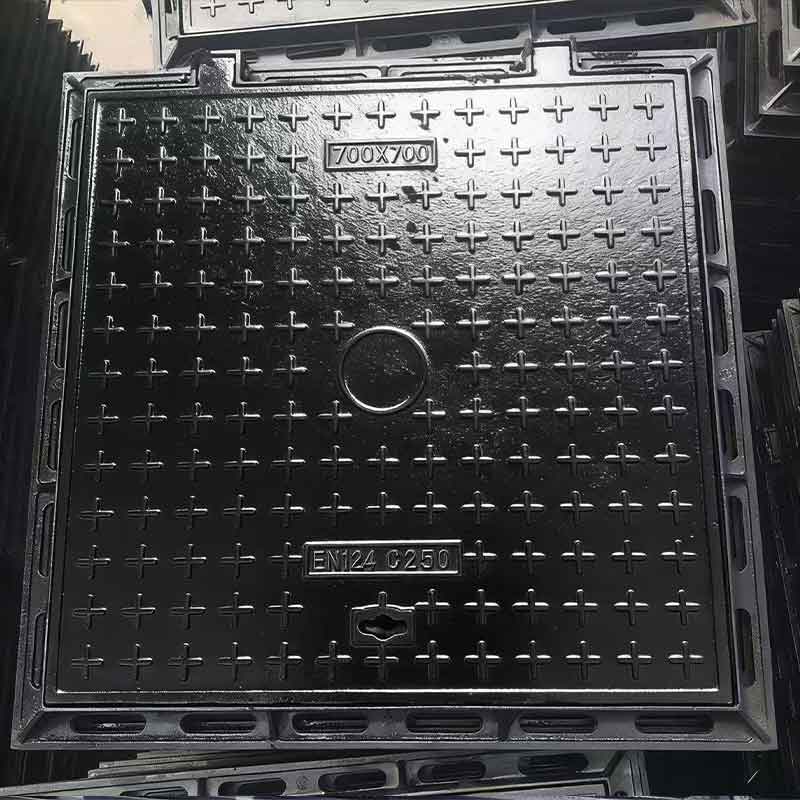
Review bearing details and the contact arrangement in the intended orientation. Check hinge engagement, latch positions, seal grooves and lifting features against the approved drawing. Note any feature that can interfere when the lid is rotated. Avoid teaching crews to identify the correct position solely by how much force closure requires. The instructions should provide positive references and a prescribed check that can reveal a mismatch before force is applied.
Where seals or resilient inserts are present, confirm their references and retention details. A displaced strip can create symptoms similar to incorrect orientation, so the inspection needs to separate those causes. Also look for debris on the contact surfaces and damage from previous forced closure. The owner's disposition should identify whether the problem is positioning, contamination, a service component or damage to the paired castings. Turning the lid is not an adequate repair for every symptom.
Create orientation marks that survive ordinary service
Agree how the lid and frame will be referenced during maintenance. Existing cast identifiers, supplier-approved marks or an asset record may provide a reliable method. If new physical marking is proposed, obtain an approved location and method that does not damage structural, bearing or sealing features. A temporary chalk arrow can help during one task, but should not be the sole long-term instruction for a cover expected to be opened by different crews.
Record the meaning of the mark, not just a photograph of it. For example, identify which lid reference aligns with which frame feature in the approved position. Keep any sensitive access information within the owner's controlled documents. Check that the chosen reference remains visible with the finished paving and accessories installed. A mark hidden beneath surfacing or lost when a replaceable insert is changed cannot reliably preserve the seating arrangement.
| Orientation control | Weak practice to avoid | Useful record |
|---|---|---|
| Permitted seating positions | Assuming a square outline means free rotation | Supplier-confirmed lid and frame drawing |
| Functional reference marks | Relying only on a decorative logo | Defined lid-to-frame alignment reference |
| Multiple-cover maintenance | Mixing similar lids in one storage area | Asset-linked pairing and handling record |
| Replacement procurement | Ordering by nominal width alone | Frame details and compatibility confirmation |
Control lids when several openings are serviced together
A maintenance operation involving several similar covers can mix components even when each crew intends to preserve orientation. Plan a storage and identification method that keeps every lid associated with its frame. Mark the temporary storage position by asset and avoid stacking or placing castings where identification becomes obscured. Follow the owner's handling method so that preserving identity does not introduce unstable storage or obstruct the work zone.
Do not approve interchangeability from matching surface patterns or nominal dimensions. If components are claimed to be interchangeable, request the supplier's defined limits and applicable evidence. A replacement batch may use a revised seat or lock despite looking familiar from above. The asset record should link component references, accepted pairing and any permitted alternatives. That helps procurement and maintenance avoid creating a new compatibility question every time a lid is replaced.
Use a closure check that confirms function
After approved cleaning and inspection, return the lid using the documented reference and handling procedure. Verify the intended bearing behaviour and operation of locks, hinges or restraints. Do not use bolts or latches to pull an obviously misaligned lid into place unless that is explicitly part of the approved design. A cover can appear flush while a hidden feature remains incorrectly engaged. The acceptance sequence should address those features rather than relying on top appearance alone.
Check the finished surface around the assembly as well. At workplace locations, Oregon OSHA's walking-working surfaces resources provide an official starting point for applicable surface and opening considerations, subject to the rules governing the actual activity. The owner should assess any remaining gap, movement or level issue. An orientation check is one component of a complete reinstatement inspection and should not be treated as proof that the wider support and work zone are acceptable.
Technical reference: Oregon OSHA resources for walking-working surfaces.
Make replacement enquiries specific to the retained components
If a lid is damaged or missing, provide the frame identification, measured geometry and photographs of its seating and locking features. State whether the owner proposes to retain the frame or replace the entire assembly. A square nominal size is insufficient for a lid-only order. Ask the supplier what evidence is needed to confirm a compatible replacement, and record any limit on orientation or service-part pairing in the technical response.
Shengxin's square cast iron manhole cover page is the relevant product-family starting point for this enquiry. Request the exact assembly drawing and permitted seating positions for the offered model. A round cover from the same catalogue does not address a square frame's geometry, and a general material description does not establish compatibility. Resolve the model selection and repair boundary before asking the installer to make a delivered lid fit a retained opening.
Handover the reference so the next crew can repeat the result
Store a contextual photograph, a closer view of the functional marks and the operating instructions with the asset. Include the accepted component references and any known orientation restrictions. The maintenance record should state that closure and restraint were checked after reinstallation, along with defects or departures. A short structured record is more useful than an unqualified note that the cover was put back because it tells the next team what was actually verified.
When a future inspection finds a new discrepancy, compare it with the baseline before making adjustments. Missing marks, a changed lid reference or repeated insert displacement may point to different corrective actions. Update the controlled asset record after an approved replacement so it does not direct the next crew to an obsolete arrangement. The goal is an unambiguous and repeatable reinstallation process that preserves the intended pairing throughout the asset's service, including after personnel and contractor changes.
Discuss the project requirements
Send Shengxin the square frame identification and photographs of the seating and lock details. Request a model-specific pairing and orientation drawing, and agree the reinstallation references your maintenance team will use before ordering replacement components.
Related product information: Shengxin square cast iron manhole cover. Share the applicable project documents through our contact page.
Project questions
Can every square lid be rotated within its frame?
No. Confirm the specific assembly’s permitted positions. Bearing details, seals, hinges and locks may make the apparently symmetrical lid directional.
Is the logo a reliable orientation mark?
Only if the approved instructions use it as a functional reference. Appearance orientation and correct seating can be different requirements.
Should a reluctant lid be pulled down with its bolts?
Use only the prescribed closure method. Investigate misalignment, debris and component interference before applying additional force.
How can crews avoid mixing similar lids?
Keep each lid linked to its asset during removal and storage, and verify identification before reinstallation. Do not infer interchangeability from the top pattern.
What should a handover record show?
Include component references, permitted seating position, functional alignment marks, operating instructions and the closure checks completed on the installed assembly.