

Table of Contents
A driveway drain grate at a turning point faces a different operating pattern from a grate crossed only in a straight line. Vehicles may approach diagonally, brake near the inlet or track a wheel close to a panel edge. The surface also has to collect runoff without creating an awkward transition for pedestrians and small wheels. Choosing a product from the driveway width and a broad heavy-duty description leaves important questions unresolved. This article explains how to document the turning movement, relate it to the installed grate and frame, and prepare a more useful supplier enquiry. The final load and hydraulic decisions belong with the project designer using the actual site conditions.
Draw the movement that crosses the inlet
Start with the entrance plan, not the grate catalogue. Mark where vehicles enter, turn, stop and reverse. Include the service vehicles that use the driveway even if they arrive infrequently. A daily passenger-car pattern may not represent waste collection, delivery or emergency access. Use the operator's information to identify realistic movements rather than inventing a design vehicle from a general description of the premises. The drawing should show where wheels cross the inlet and its frame.
Note whether vehicles can change their path. A gate, bollard, parked vehicle or tight corner can force wheels onto an edge that the original layout treated as lightly used. Keep the present operating arrangement and any proposed changes visible. A grate selected before a new gate is installed may need review if the turning path changes. The enquiry should describe those constraints so the supplier's proposal can be assessed against the same use pattern.
Describe wheel contact without using gross vehicle mass as a shortcut
The responsible designer needs the relevant loading information and contact arrangement, not just a total vehicle mass. Wheel loads, contact position and the way the vehicle crosses the opening can affect the assessment. Do not convert a product test-class number directly into a permissible vehicle mass. Ask the designer to identify the applicable standard and project criteria. The supplier can then provide evidence for the specific grate and frame configuration being considered.
Pay attention to contact near corners, panel joints and end pieces. A diagonal crossing can place a wheel on a different part of the assembly from a centred test arrangement. This observation does not prescribe a universal higher class. It identifies the information that the technical review must address. Keep any assumptions about loading, support and permitted traffic with the approval record so future changes in driveway use can be assessed against a clear basis.
Check the grate and frame as one installed interface
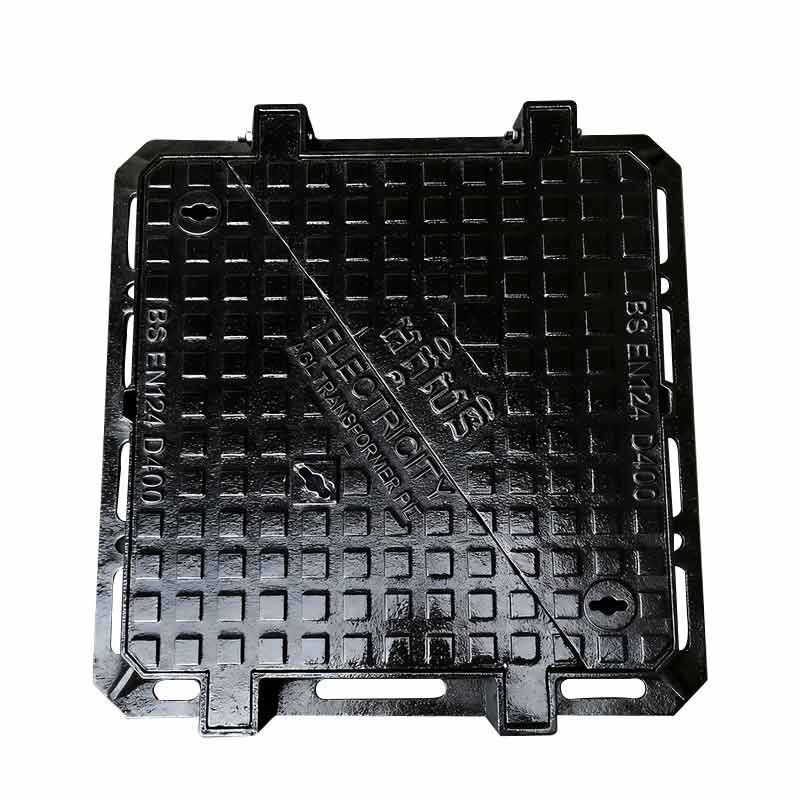
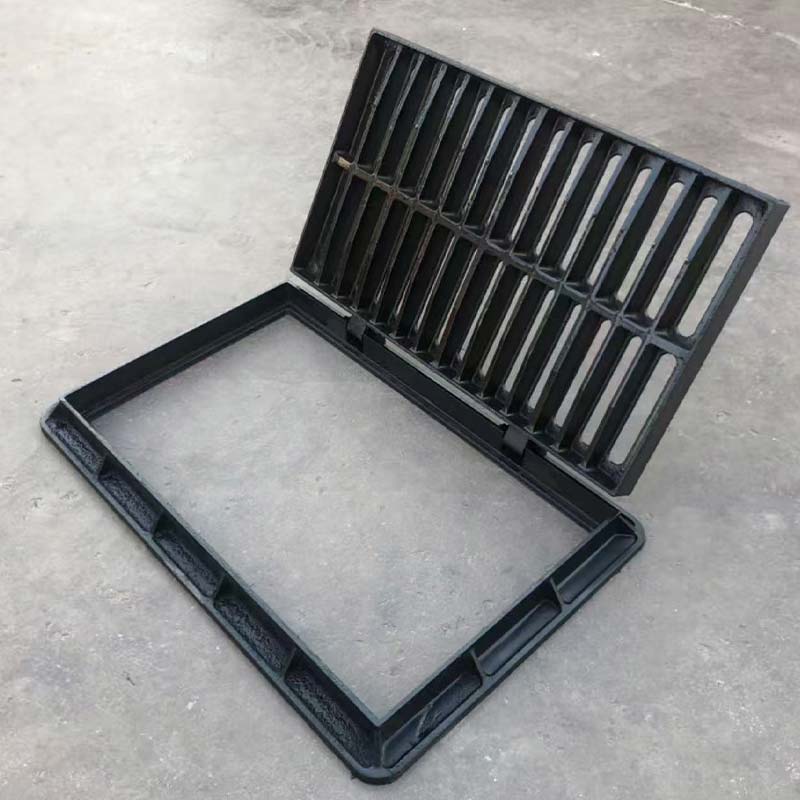
A strong panel still needs the support intended by its design. Record the frame geometry, bearing surfaces, surrounding structure and any restraint. Inspect existing supports if the proposal retains them. A replacement grate placed in a loosely matching frame may have inadequate or uneven contact. The outside panel dimensions alone do not establish compatibility. Request an assembled section and identify the parts supplied, retained and constructed on site.
Turning areas can expose installation problems through repeated local movement. If the current grate rocks or shifts, investigate the seat and surround before assuming that a different material is the answer. Look for damaged edges, accumulated debris and prior packing or repairs. The project reviewer should decide whether the frame can be retained. Do not allow an unapproved shim or a forced fit to become the undocumented basis for the replacement's performance.
Review retention against movement and maintenance needs
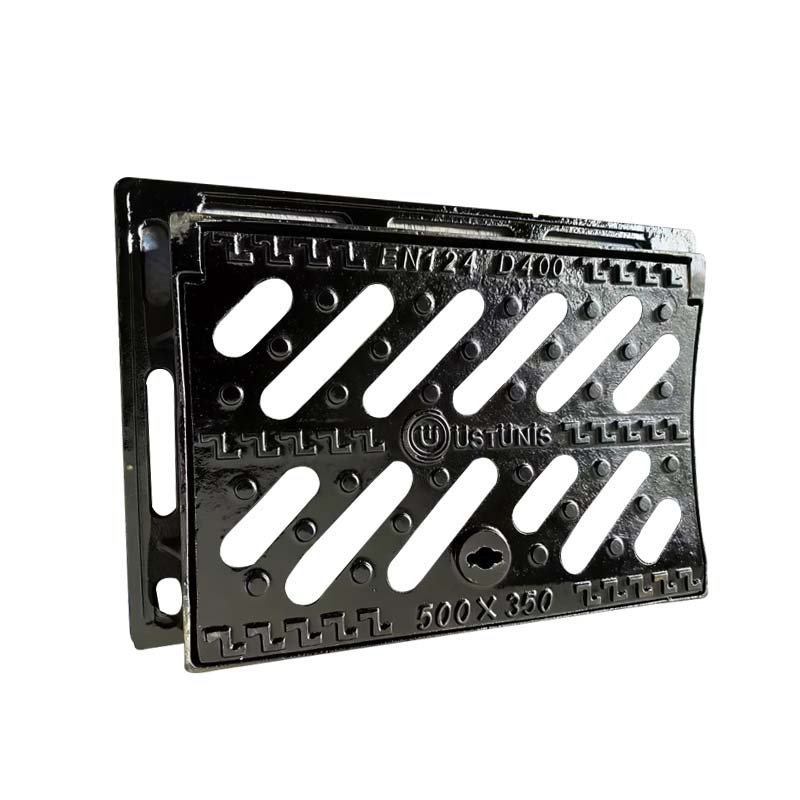
Identify how the grate is kept in its intended position. Hinges, clips, bolts and other devices have different operating implications. Ask which function each detail provides and whether the evidence applies to the complete offered arrangement. A device that discourages removal is not automatically a defined structural restraint. Likewise, the weight of a grate should not be treated as the only explanation for why it will remain seated under the intended operating conditions.
The retention method also affects cleaning. Confirm access for the operator's tools and the space needed to open or remove panels. A hinge that swings into a gate track or a bolt beneath a fixed obstruction can turn ordinary maintenance into an avoidable problem. Resolve the layout before ordering. If a retaining feature must be restored after every visit, make that check part of the maintenance instruction and acceptance record.
| Entrance condition | Detail to add to the enquiry | Reason for review |
|---|---|---|
| Wheel crosses diagonally near a corner | Actual path and relevant contact positions | The load may act away from a central position |
| Gate constrains vehicle movement | Gate position and operating envelope | Traffic may be forced onto a particular edge |
| Runoff approaches over a slope change | Finished levels and flow arrows | Capture depends on the approach geometry |
| Pedestrians share the entrance | Travel pattern and applicable surface criteria | Structural rating does not establish accessibility |
| Grate needs frequent cleaning | Opening sweep, tools and retention method | Service access must work in the installed layout |
Read the road profile on both sides of the crossing
A driveway entrance may have crossfall, a threshold or a ramp changing direction near the drain. Show those levels and the intended water approach on the layout. A frame projecting above the approach can divert shallow flow even when the grate itself is open. A local depression can also create an undesirable surface transition. The drainage designer should resolve the inlet position and finished levels together with the surface-use requirements.
FHWA's urban drainage manual discusses pavement drainage and inlet design as connected hydraulic issues. It provides a useful technical reference for understanding why approach conditions matter, but its methods must be applied to the relevant project by a qualified designer. A grate capacity taken from another slope or configuration is not automatically valid at this entrance. Ask submittals to identify the geometry and assumptions behind any stated capture performance.
Technical reference: FHWA urban drainage technical manual.
Look beyond vehicle access to pedestrians and small wheels
The same entrance may carry staff, visitors, bicycles, pushchairs or wheeled deliveries. Identify those routes and the applicable opening and surface requirements. A slot pattern chosen for one purpose can create an unsuitable crossing for another user. The site design may need a different inlet position or surface arrangement. Do not describe a vehicle-rated grate as automatically suitable for every pedestrian interface simply because it can carry a greater structural load.
Check the transition at the frame and any panel joints, not only the bars in the centre. The installed surface should follow the approved level detail and remain inspectable. A product's raised texture is not a substitute for a defined slip assessment where one is required. Keep opening geometry, surface performance, loading and hydraulic evidence distinct so that one favourable result does not hide an unresolved requirement elsewhere in the entrance.
Use a trial installation to expose site constraints
A representative trial should reproduce the proposed frame, support and surrounding finish. Verify the exact pattern and panel references, seating, retention, opening clearance and connection to adjacent works. Check special pieces separately. Do not improvise a vehicle proof test using an available truck; any test needs an approved method and appropriate controls. The trial is valuable for interface verification, while structural acceptance still depends on the relevant technical evidence.
Document any difference between the trial bay and the rest of the driveway. A carefully rebuilt sample support does not prove that older supports elsewhere are suitable. Set the production inspection requirements from the approved detail and survey. Record who can accept a deviation and how unsuitable bays are held for correction. This prevents a good sample from becoming a blanket approval for unlike conditions along the entrance.
Make the final operating restrictions explicit
Handover should identify the installed assembly, intended traffic, maintenance method and any restrictions accepted by the owner. If the surface-use assumption excludes a particular vehicle or temporary load, that limitation must be practical to manage. An uncommunicated restriction is unlikely to survive staff changes. Retain the turning-path drawing and technical approval so the owner can recognize when a future layout or operational change requires review.
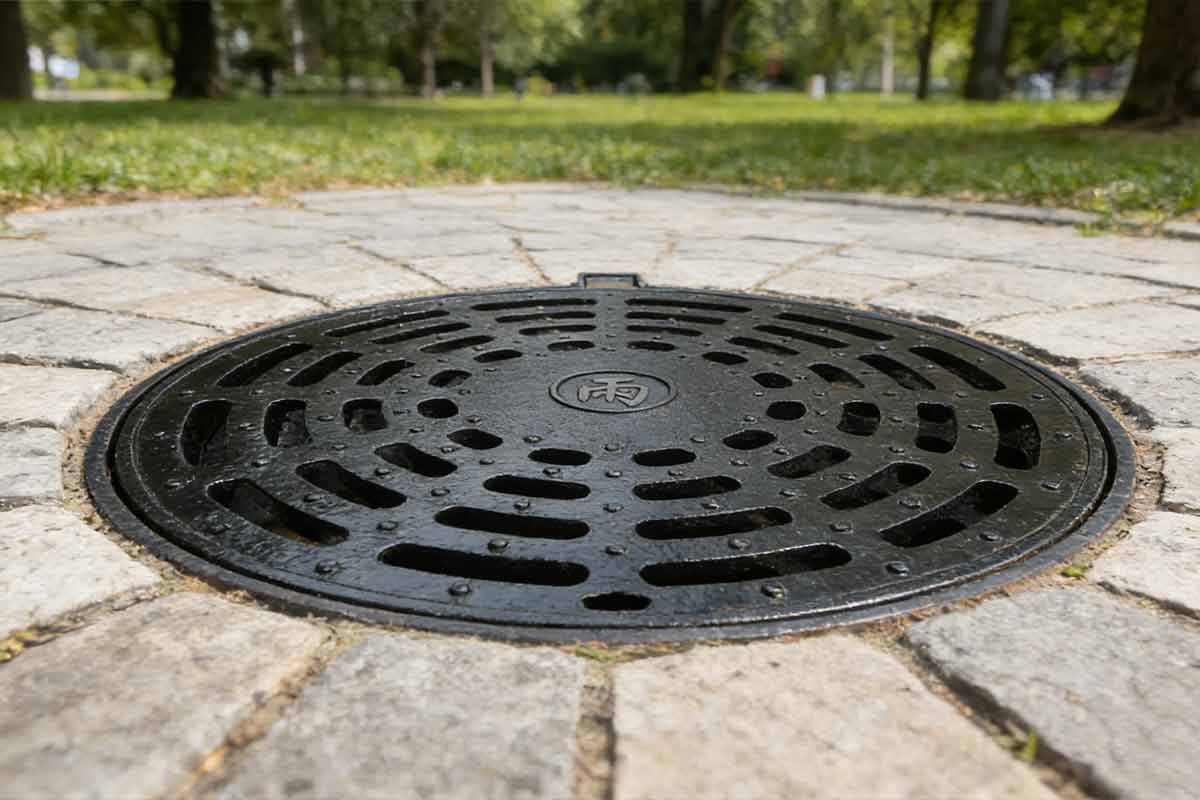
For a Shengxin enquiry, provide the turning layout, support section, opening dimensions, water approach and the designer's load requirements. The cast iron rain grate product page can begin a discussion of candidate arrangements, while suitability depends on the exact model and evidence. Ask for the retention and bearing details as well as the grate pattern. After installation, record actual parts and revisit any recurring movement or ponding rather than repeatedly replacing panels without investigating the cause.
Discuss the project requirements
Share the driveway plan and turning movements with Shengxin alongside the support section and project performance criteria. Request a proposal for the exact grate-and-frame arrangement, including bearing and retention details. Have the site designer review the traffic, drainage and pedestrian interfaces together before release.
Related product information: Shengxin cast iron rain grate. Share the applicable project documents through our contact page.
Project questions
Does a turning driveway always need a higher class?
There is no universal answer from the turning movement alone. Have the designer assess the actual loads, contact positions, supports and applicable project criteria.
Can the vehicle mass be compared directly with a test-class number?
Do not use that shortcut. Product test conditions and vehicle loading are different descriptions. Ask for a technical assessment matched to the installed assembly and site use.
Why can a replacement grate still rock?
The frame, bearing surface or surround may remain defective or incompatible. Investigate the interface and support rather than assuming a new panel corrects them.
Should the drain be positioned only for vehicle convenience?
No. Coordinate water approach, pedestrian movement, surface levels and maintenance access with the traffic layout. The complete entrance must meet the relevant project requirements.
What should be retained after approval?
Keep the turning-path plan, support and level details, exact panel and frame identification, technical evidence, inspection record and any manageable operating restrictions.